
Sow Seeds of Change: Help Us Build a School Garden!
Most kids spend hours indoors, missing out on lessons that grow far beyond textbooks. A school garden offers hands-on learning that plants seeds of curiosity, responsibility, and care for the environment. Your donations can bring this living classroom to life, creating a space where children connect with nature and understand their role in a healthier world. Join us in building a school garden that nurtures both minds and the earth. [https://www.donorschoose.org/giving/we-support-school-garden-projects/389650/]
Benefits of a School Garden

Creating a school garden offers many advantages that extend into the classroom and beyond. These benefits help shape young minds and nurture their connection to the environment.
Hands-On Learning for Kids
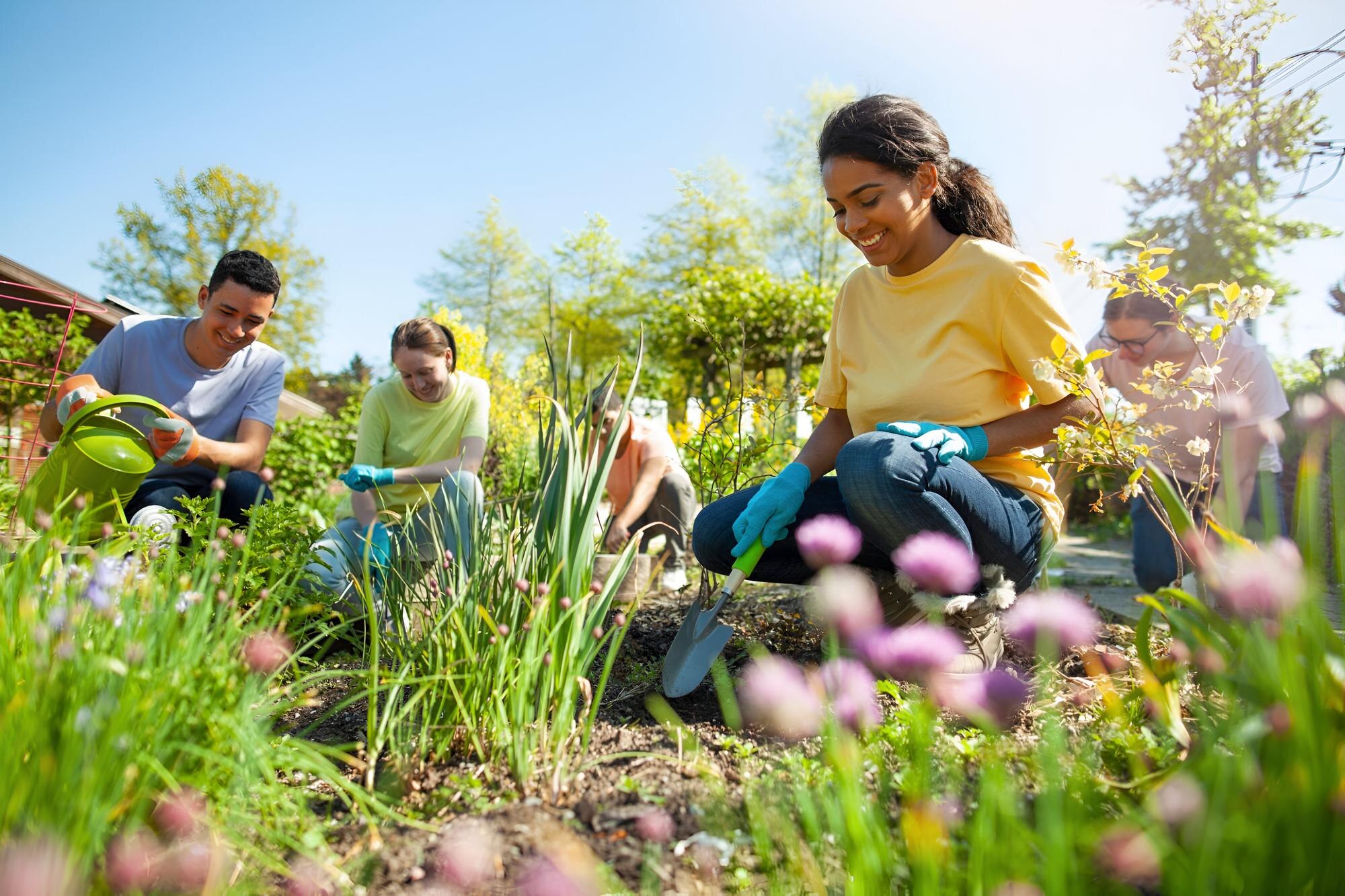
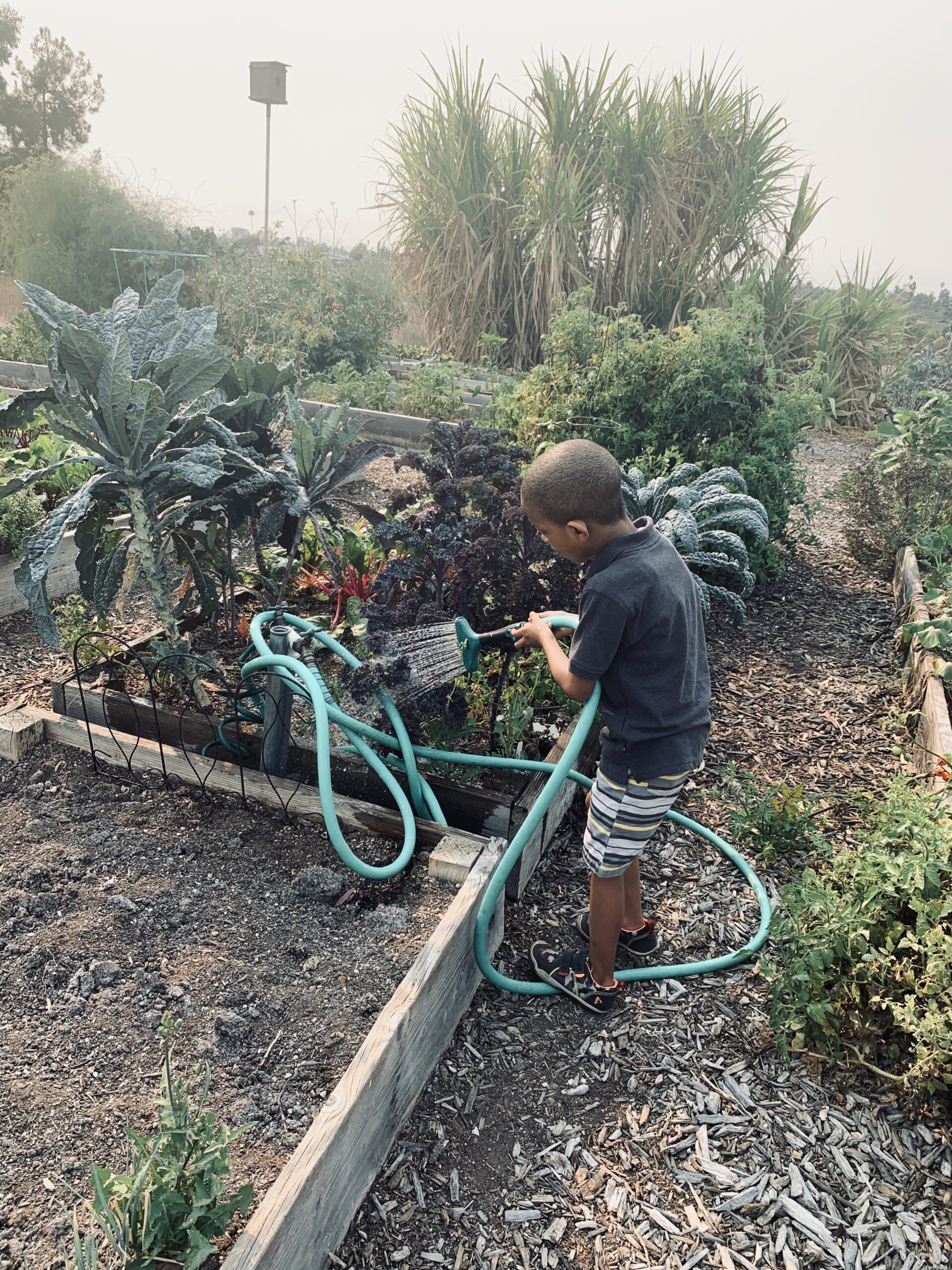
Kids learn best when they get their hands dirty. In a school garden, they can do just that. Picture kids planting seeds, watering plants, and watching their efforts grow into something tangible. This hands-on approach sparks curiosity and makes learning fun.
A garden serves as a natural classroom where math and science come alive. Measuring plant growth or understanding the life cycle of a butterfly becomes more meaningful. They can see how their actions impact the world around them. This type of active learning stays with them longer than just reading from a book.
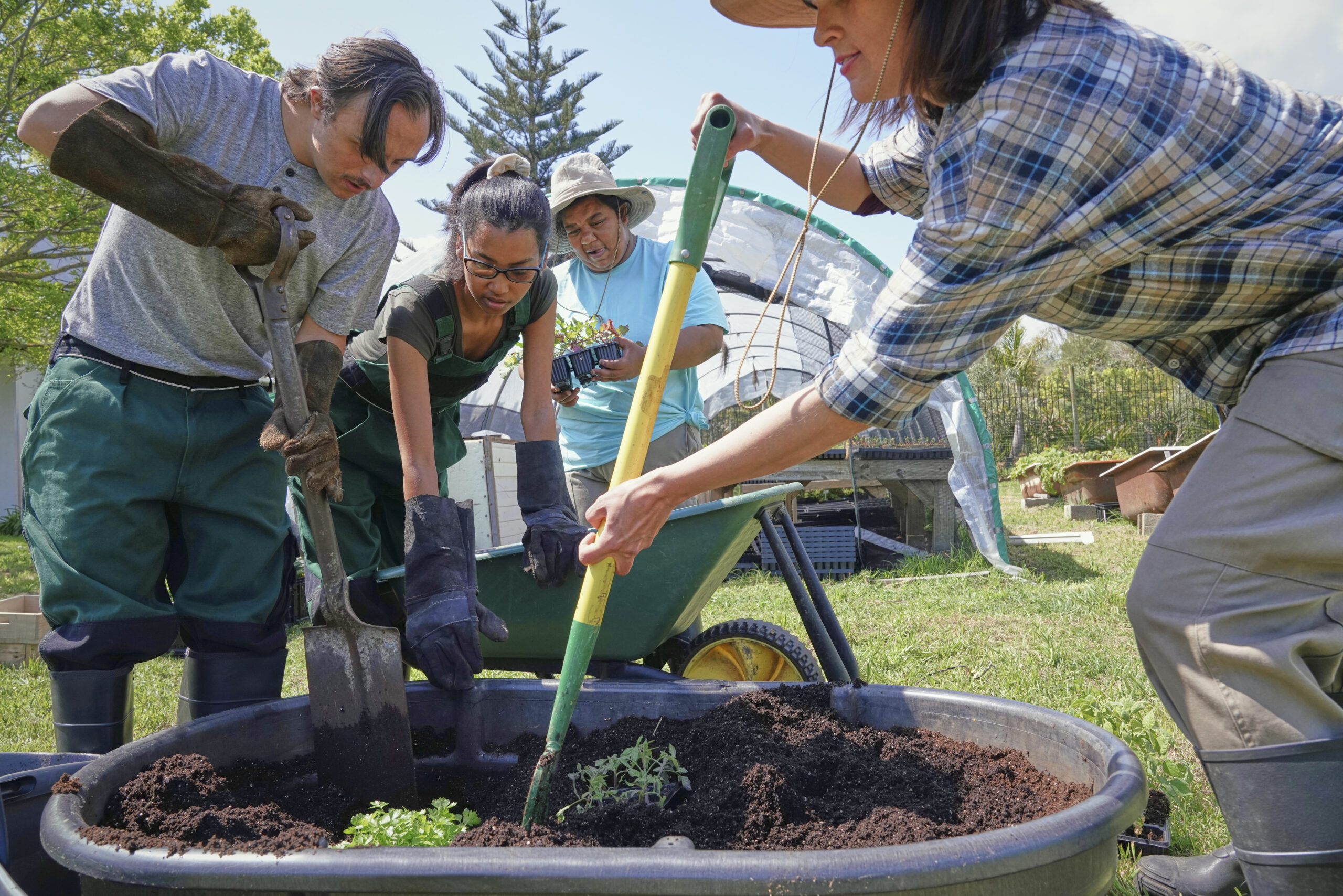
Kids who work in gardens also gain teamwork skills. They learn to share tools and help each other, fostering a sense of community. It’s about more than just plants; it’s about growing together.
Promoting Sustainable Education
Teaching sustainability starts with real-world examples. A school garden shows kids how food grows and the importance of taking care of our Earth. They learn about composting and recycling, which are crucial skills for a sustainable future.
Gardening teaches kids about the food chain and ecosystems, giving them a better understanding of their environment. These lessons instill a sense of responsibility to care for the planet. As they see the garden thrive, they realize they play a role in protecting natural resources.
The garden becomes a hub for sustainable practices. Students might even take these lessons home, influencing their families to make greener choices. This ripple effect can lead to broader community changes.
Understanding Environmental Impact
In a world where environmental issues are pressing, understanding impact is crucial. A school garden provides this perspective. Kids see firsthand how plants contribute to clean air and healthy soil. They learn how gardens can combat climate change by reducing carbon footprints.
Through gardening, students grasp the importance of biodiversity. They witness how different plants and insects contribute to a healthy ecosystem. This knowledge empowers them to make informed choices about the environment.
Gardens also connect students to seasonal changes. They see how each season affects plant life and understand the natural cycle of growth and decay. This awareness fosters a deeper appreciation for nature’s rhythms.
Community Support and Engagement

A school garden thrives with community involvement, turning it into a shared space for growth and learning. It becomes a project everyone can rally around.
How Donations Make a Difference
Your donation can be the seed that sprouts into a flourishing garden. Donations help purchase essential materials like soil, seeds, and tools. Every dollar makes a tangible impact, ensuring the garden has what it needs to thrive.
Funding also supports educational programs. With more resources, schools can hire garden coordinators who guide lessons and maintain the space. This ensures that the garden remains a vibrant part of the school’s curriculum.
When you donate, you invest in the future. You’re giving kids the chance to learn valuable life skills and encouraging a love for nature. It’s a gift that keeps growing.
Building a Garden Together
Building a garden is a community effort. Parents, teachers, and local businesses all play a role. When everyone pitches in, the garden becomes a testament to what teamwork can achieve.
Community-build days bring people together. It’s a chance to connect with others who share a passion for education and the environment. Participants leave with a sense of accomplishment and stronger community ties.
Local businesses can contribute too, by donating supplies or sponsoring sections of the garden. This support not only helps the garden grow but also strengthens community bonds.
Connecting Families and Schools
A garden bridges the gap between schools and families. It invites parents to participate in their child’s education in a meaningful way. Family garden days become opportunities for quality time and shared learning experiences.
These events also allow families to connect with teachers in a relaxed setting. Conversations that start in the garden often continue at home, enriching the child’s learning experience.
As families engage, they often bring fresh ideas and resources. This collaboration enriches the garden, making it a dynamic place of learning and growth.
Inspiring Future Generations

A school garden does more than teach kids about plants; it sows the seeds of future leaders who will care for our planet.
Gardening for Kids’ Growth
Gardening helps kids grow both physically and mentally. It’s a physical activity that gets them moving, promoting healthy habits. Tending plants teaches patience and persistence as they wait for their hard work to bloom.
Kids also gain confidence as they take ownership of the garden. Seeing the fruit of their labor boosts their self-esteem and encourages them to take on new challenges. This confidence often spills over into other areas of their life, enhancing their overall development.
Gardening nurtures creativity too. Kids discover new colors, textures, and shapes, sparking their imagination. They learn to solve problems creatively, a skill that benefits them for life.
Cultivating Responsibility and Care
When kids care for a garden, they learn responsibility. Plants need regular attention to thrive, and students discover the importance of consistency and dedication. This sense of duty fosters maturity and independence.
As they see their efforts impact plant health, kids also learn empathy. They develop a deeper understanding of the needs of living things, which translates into caring for people and animals.
These lessons in responsibility extend beyond the garden. Students often become more organized and attentive in other aspects of their lives, benefiting their academic and personal growth.
Encouraging Healthy Living Choices
A garden encourages healthy food choices. Kids who grow their own vegetables are more likely to eat them. They taste freshness and learn about nutrition firsthand. This experience can lead to lifelong healthy eating habits.
Gardens also provide a peaceful space, promoting mental well-being. Spending time in nature reduces stress and improves mood. This positive environment supports emotional health, helping students manage school pressures.
By engaging with the garden, kids learn to value balance—between work and relaxation, and between consumption and conservation. These insights guide them toward healthier lifestyles.
Conclusion
A school garden is more than just a patch of green; it’s a vital tool for education and community building. It cultivates lifelong skills, environmental awareness, and healthy habits. By supporting this initiative, you help nurture a new generation that values sustainability and community. Let’s plant the seeds of change together.