
Growing Together: How Sustainable Gardening Sprouts Community Growth
Sustainable gardening does more than grow plants—it grows communities. When you plant with care for the earth, you create spaces where neighbors connect, share skills, and support one another. This approach not only reduces environmental impact but sparks real community growth through shared learning and empowerment. Ready to see how your garden can become a hub for change? Join our next community gardening workshop and be part of the movement! Learn more about the benefits of community gardens.
Benefits of Sustainable Gardening
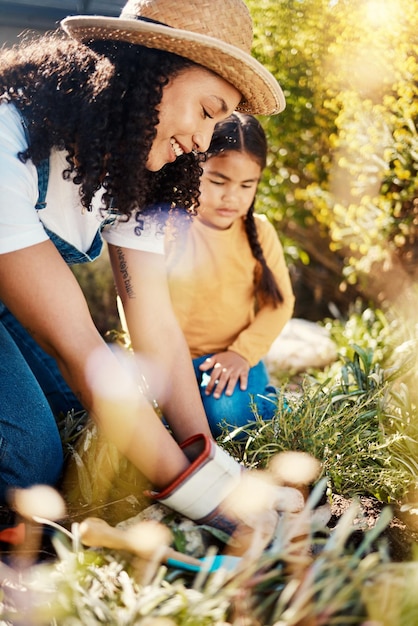
Gardening sustainably is more than just a hobby; it’s a gateway to creating lasting change. Let’s explore how this practice makes a difference.
Reducing Environmental Impact
Sustainable gardening works wonders for the planet. Using fewer chemicals and conserving water are just some ways it helps. Imagine if every garden did its part—pollution would drop, and local wildlife would thrive.
By choosing native plants, you support local ecosystems. These plants need less water and care. It’s a simple choice with a big payoff. Did you know that a single tree can absorb up to 48 pounds of CO2 in a year? That’s a powerful impact right in your backyard.
Enhancing Community Growth 🌱
Gardens bring people together in ways that few other activities can. As neighbors work side-by-side, they build bonds and learn from one another. This is where sustainable gardening truly shines.
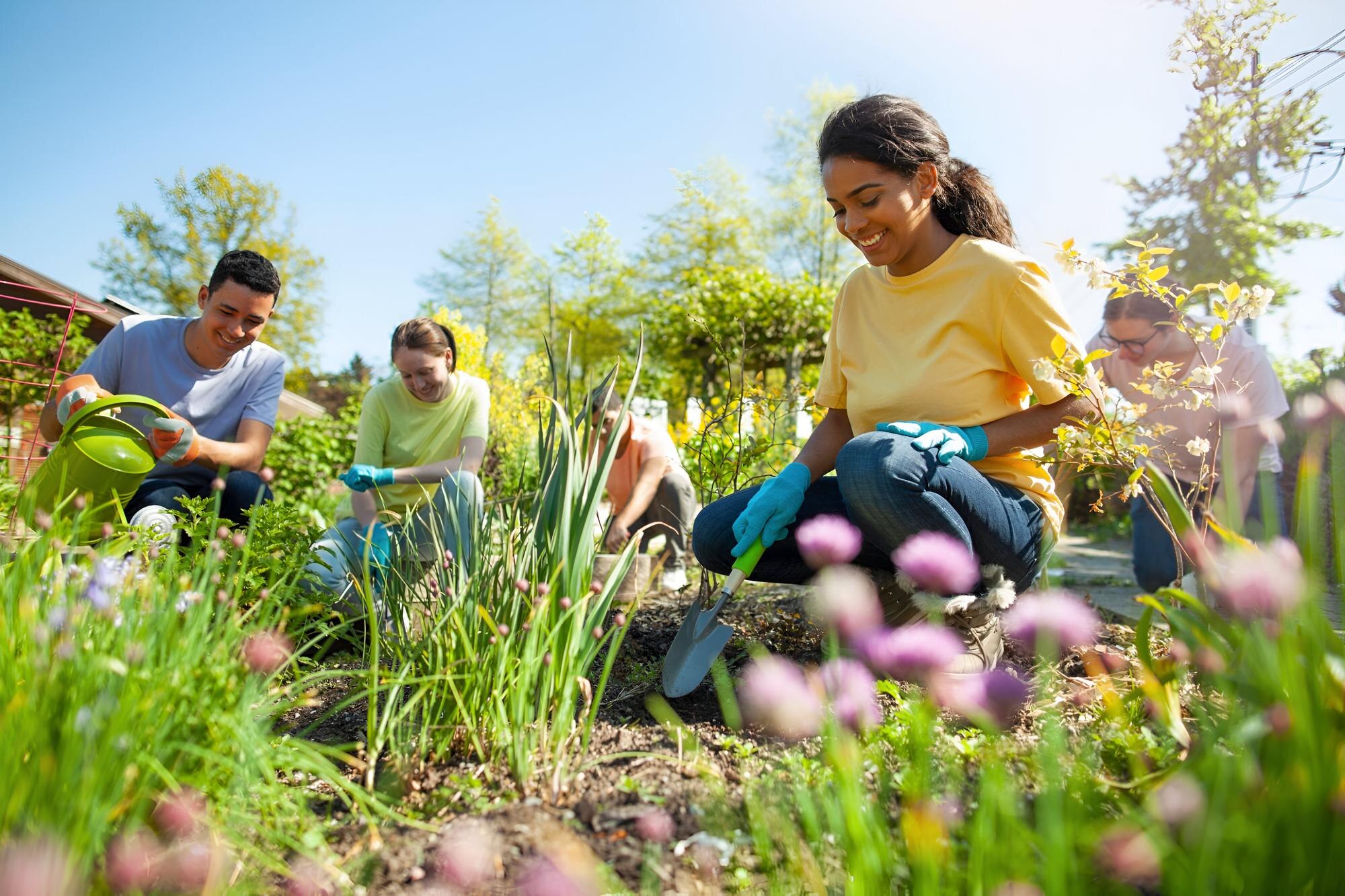
Picture a community garden. People of all ages gather, share tips, and swap stories. This shared space becomes a thriving social hub. You don’t just grow plants—you grow friendships. Want to see a real-life example? Check out this inspiring story of community gardens.
Empowering Local Communities
Empowerment is a powerful outcome of sustainable gardening. It gives individuals a sense of control and pride. As skills grow, so does confidence. Suddenly, gardening isn’t just an activity—it’s a means of self-reliance.
Communities that garden together often tackle bigger challenges, like food security. When you grow your own food, you rely less on outside sources. This can make a significant difference, especially in underserved areas. Learn more about how gardening can empower communities.
Building Connections in Gardens
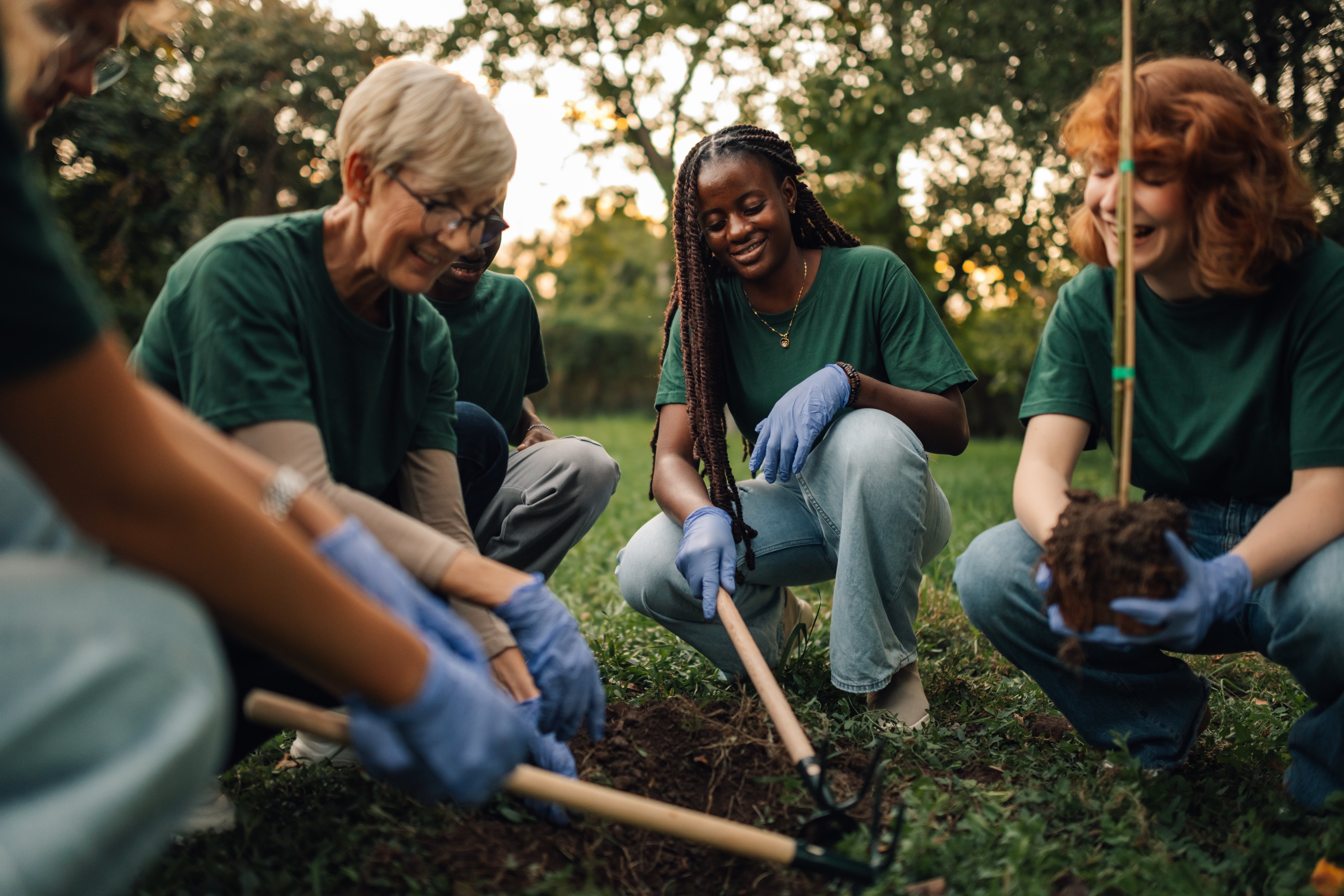
The garden is a place where connections blossom. It’s not just about plants; it’s about people.
Sharing Skills and Resources
Gardening is a skill anyone can learn, and it’s even better when shared. Imagine a space where everyone brings something different to the table. Maybe you know how to compost, while your neighbor excels at pest control.
Sharing skills leads to a wealth of knowledge. It’s a fantastic way to improve your garden and learn something new. You might find that your neighbor’s tip on organic pest control is just what you needed.
Gardening Workshops for All 🌿
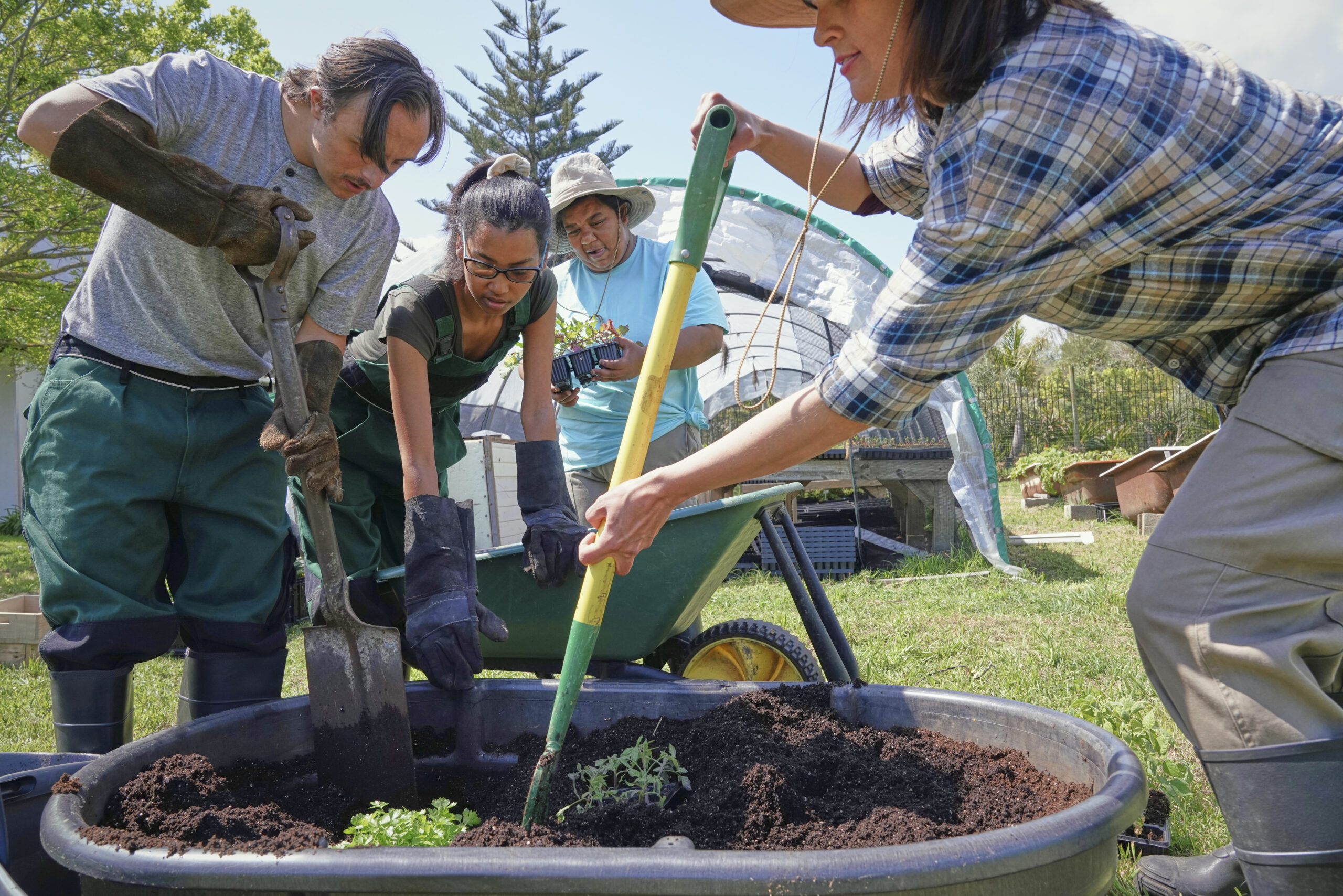
Workshops are a fantastic way to dive into gardening. They offer hands-on learning with expert guidance. Whether you’re a beginner or a seasoned pro, there’s always something new to learn.
These workshops are not just about education; they are community events. People come together, learn, and leave with new ideas and friendships. Curious about how these workshops can help you grow? Discover the benefits of joining a workshop.
Fostering a Sense of Belonging
Gardening creates a sense of belonging. When you’re working the soil alongside others, you’re part of something bigger. This shared experience builds community spirit and pride.
Imagine a garden where everyone feels welcome. It becomes a gathering place for events and celebrations. You’re not just a gardener; you’re part of a community. Read about how gardens foster belonging.
Engaging Families and Educators
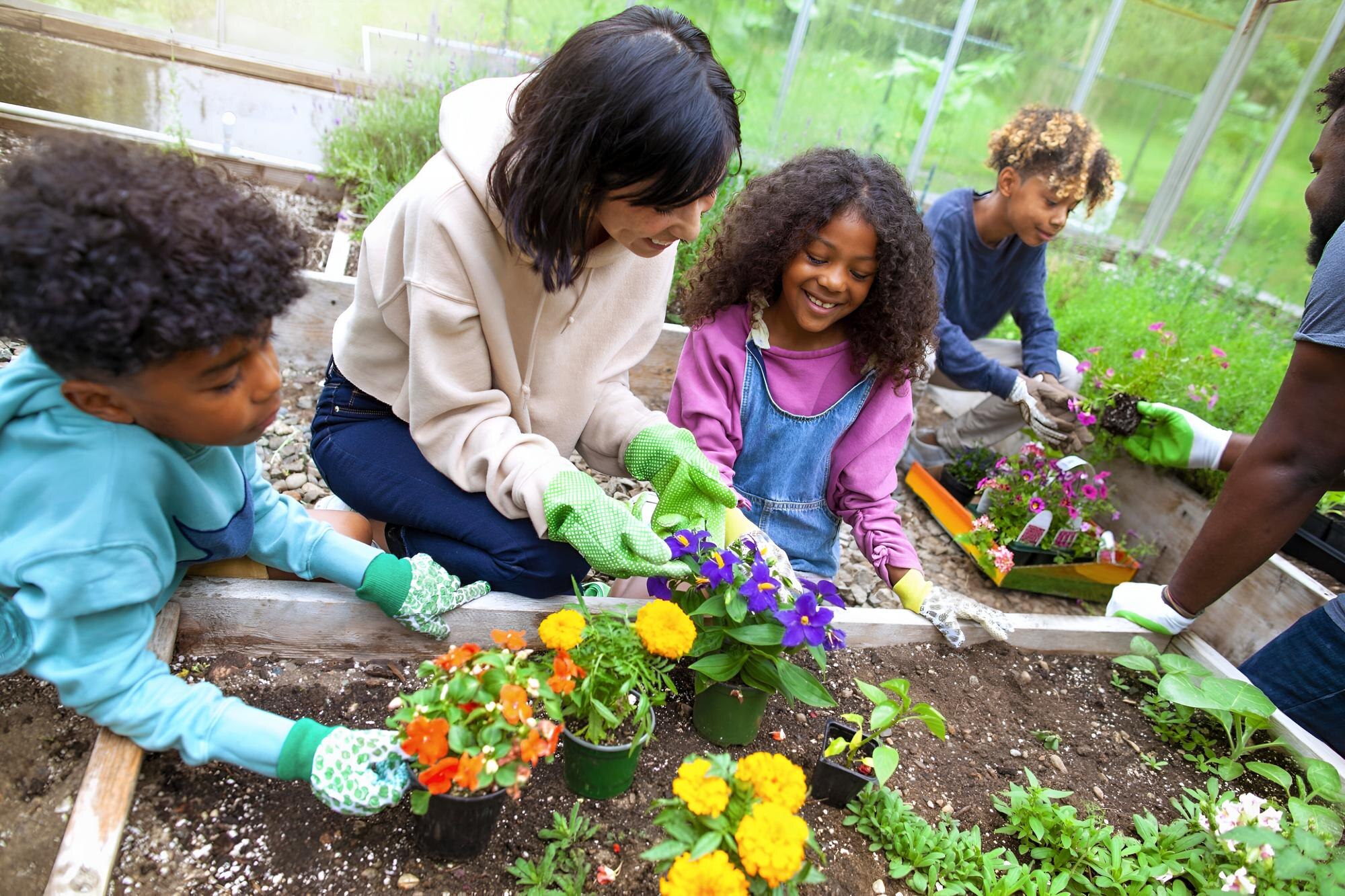
Gardens are classrooms without walls, offering lessons for everyone. They’re perfect for families and educators seeking hands-on learning.
Gardening as a Learning Tool
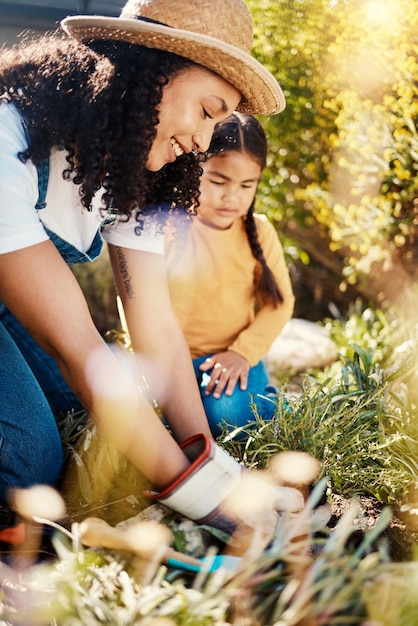
In the garden, every plant becomes a teacher. Kids learn about science, nature, and responsibility. They see how plants grow, what they need, and how to care for them.
Gardening is a living lesson in patience and nurturing. Parents and educators find it a valuable tool for teaching these life skills. It’s not just about plants; it’s about growth in every sense.
Promoting Food Accessibility 👨👩👧👦
In many areas, fresh produce is hard to come by. Gardens can change that by providing local, fresh food options. When families grow their own vegetables, they ensure access to healthy food.
This shift can reduce grocery bills and improve diets. It’s a simple step towards better health and nutrition. Imagine the impact if every family grew just a portion of their food.
Inspiring Future Generations
The garden is a place where young and old alike find inspiration. Children who learn to garden develop a lifelong appreciation for nature and sustainability.
As they watch plants grow, they learn about the environment and their role in it. This understanding fosters respect and responsibility. Who knows? Your garden might inspire the next great environmental leader.
Sustainable gardening is more than just planting seeds—it’s about planting the idea of a better future. As we nurture our gardens, we nurture our communities, creating a legacy of growth, learning, and empowerment.