
Cultivating Hope: Empowerment Through Urban Gardening
Urban gardening isn’t just about growing plants—it’s about growing hope in places where green feels scarce. If you’ve ever felt disconnected from fresh food or your neighbors, you’re not alone. Learning to cultivate your own garden can spark community empowerment and bring sustainable living right to your doorstep. In this post, you’ll find simple steps and inspiring ideas to turn city spaces into thriving gardens that feed both body and soul. For more insights, check out this article.
Empowering Communities Through Urban Gardening
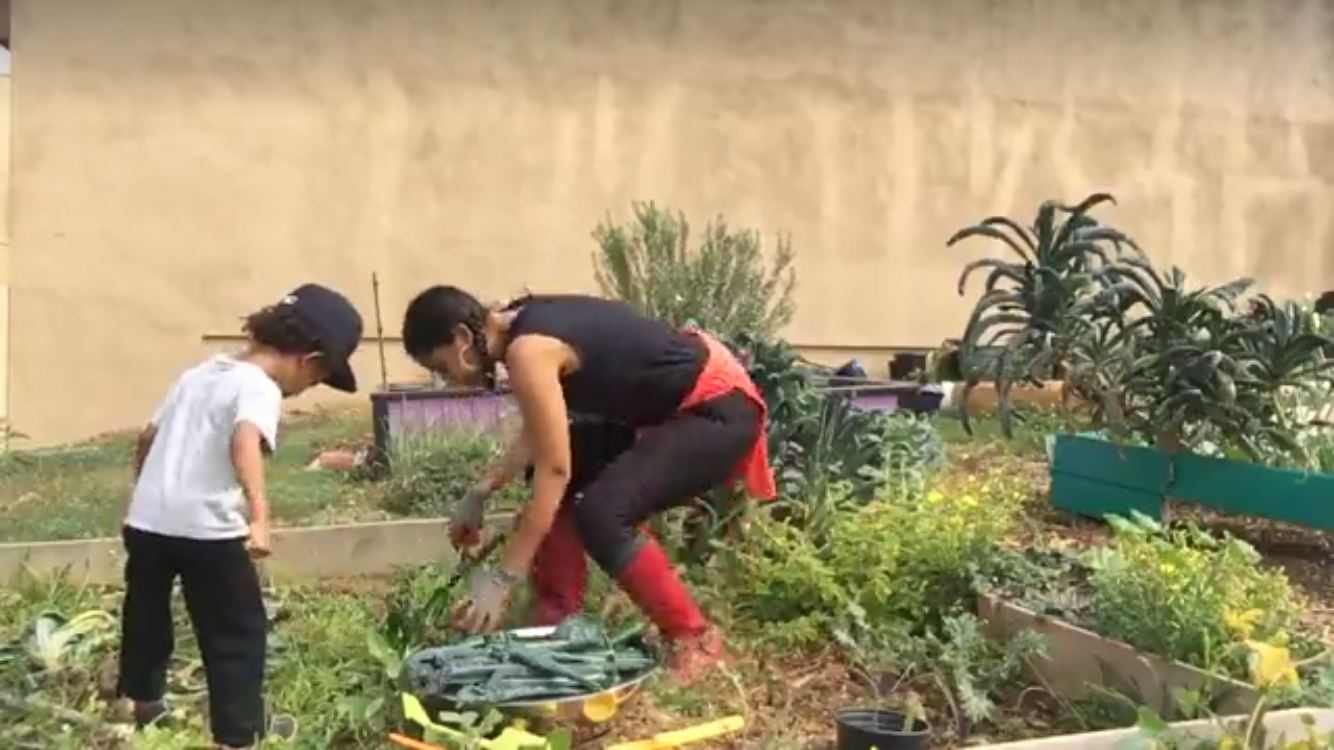
Urban gardening isn’t just about plants; it’s about creating spaces that bring people together. Imagine walking down your street and seeing vibrant flowers and fresh vegetables thriving in unlikely spaces. This vision is possible, and it starts with connecting neighbors who share a passion for green spaces.
Connecting Neighbors with Green Spaces
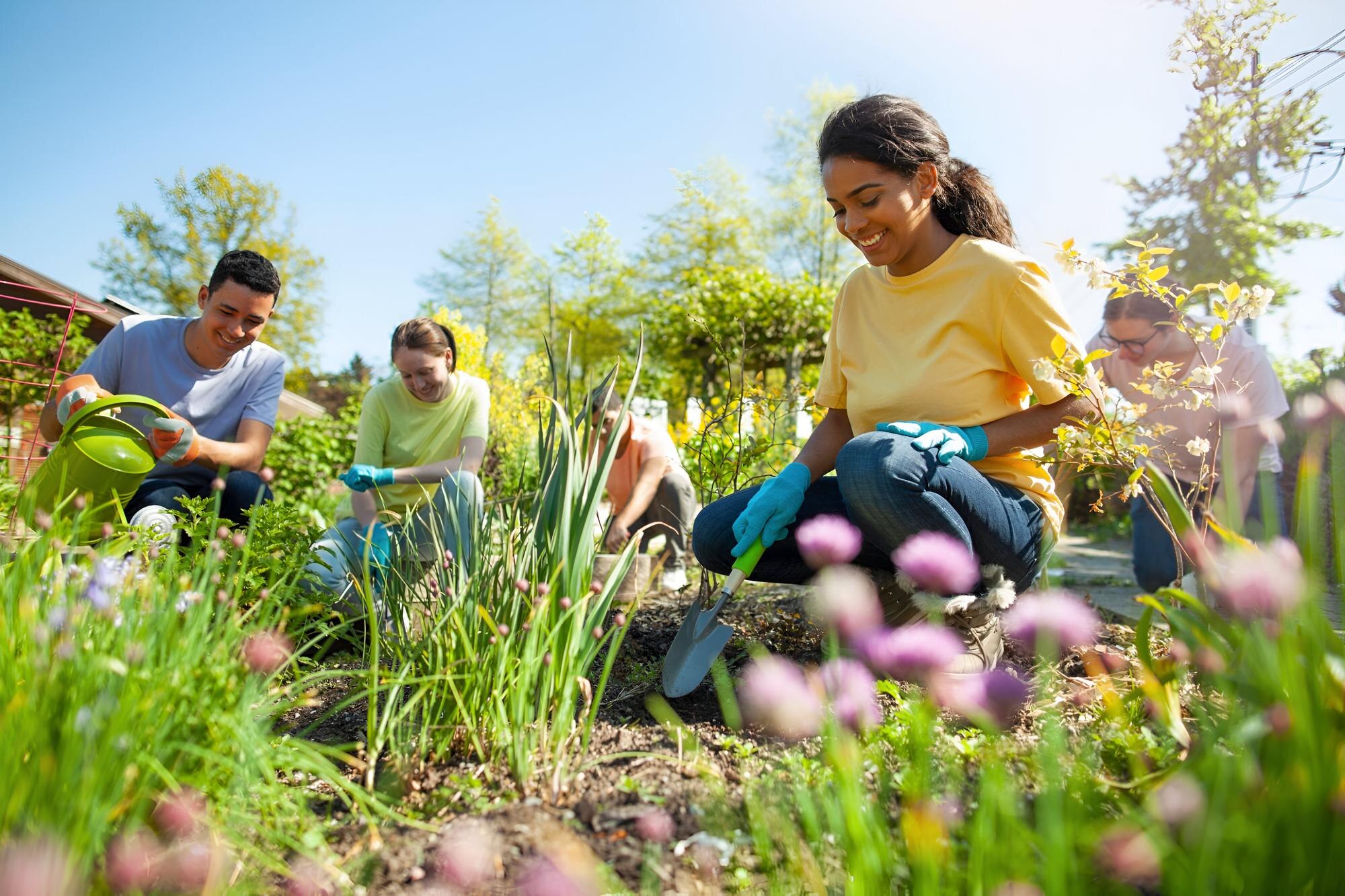
Bringing neighbors together through green spaces revitalizes communities. Imagine a shared garden where everyone pitches in. These spaces do more than beautify—they create a sense of belonging.
In many urban areas, open spaces are rare, but when neighbors collaborate, even small patches of land can bloom. These shared spaces become hubs for interaction, fostering conversations that might not happen otherwise. You might find yourself sharing gardening tips or even recipes for the produce you grow together.
Shared gardens transform neighborhoods. They create an inclusive environment where everyone, regardless of age or background, can contribute and benefit. If you’re curious about how community gardens can empower youth and other marginalized groups, this article provides an inspiring look.
Building Community Through Shared Gardens
Shared gardens are more than plots of land; they’re community builders. Picture a group of people, each bringing unique skills, working side by side to create something beautiful. This collaboration strengthens bonds and nurtures a resilient community spirit.
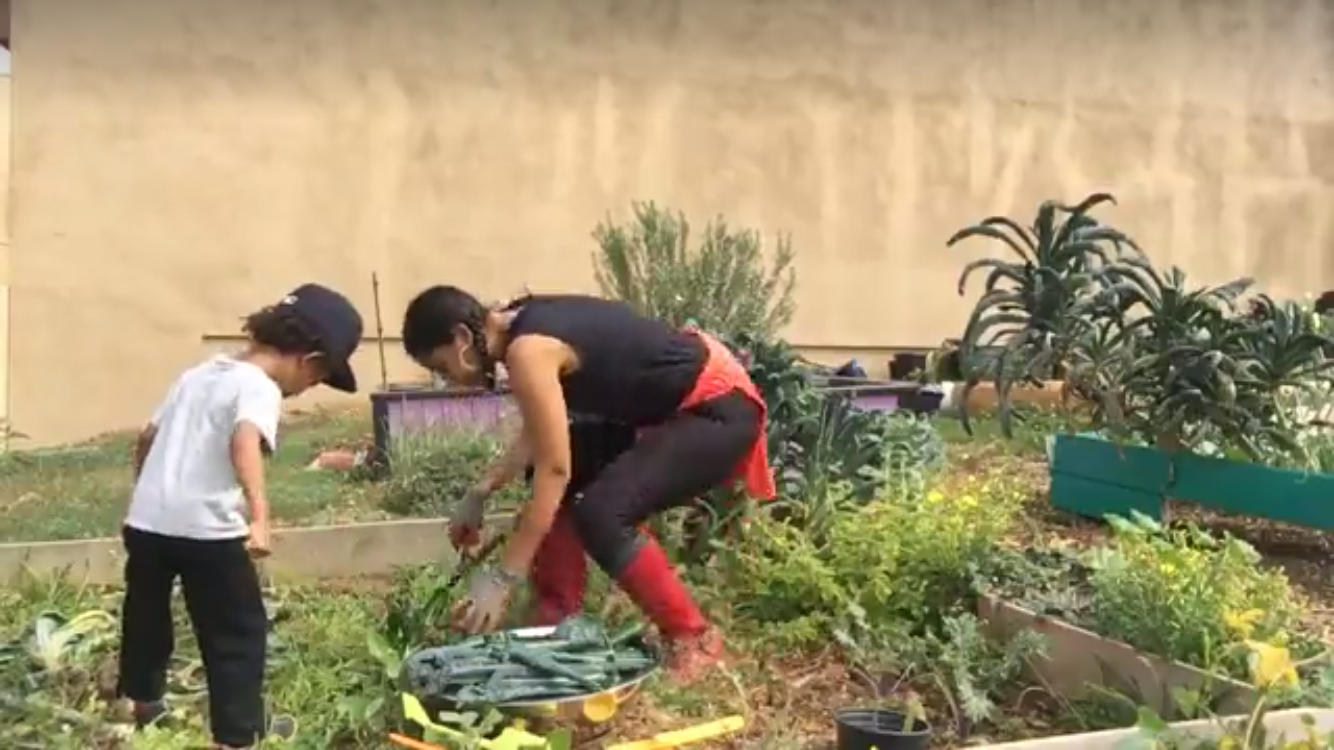
When everyone participates, a garden becomes a shared achievement. It provides fresh produce, encourages healthy habits, and reduces food insecurity. Imagine a place where children learn to plant seeds and watch them grow, instilling a deep appreciation for nature.
This collaborative process also breaks down barriers. As people work together, they find common ground, fostering understanding and camaraderie. If you’re eager to start your own community garden, consider reaching out to local groups dedicated to urban sustainability.
Inspiring Urban Sustainability
Sustainable living thrives in urban gardens. As cities grow, sustainability becomes crucial. Gardens not only support this by reducing carbon footprints but also by promoting eco-friendly practices.
Urban gardening teaches us to use resources wisely. It shows how composting reduces waste and how rain barrels conserve water. These practices are not just beneficial; they’re necessary for a sustainable future, especially in densely populated areas.
Such initiatives also inspire others. When one community garden blossoms, it often leads others to follow suit, creating a ripple effect of green spaces throughout the city. For more on community-driven sustainability, check out this insightful piece.
Simple Steps to Start Gardening
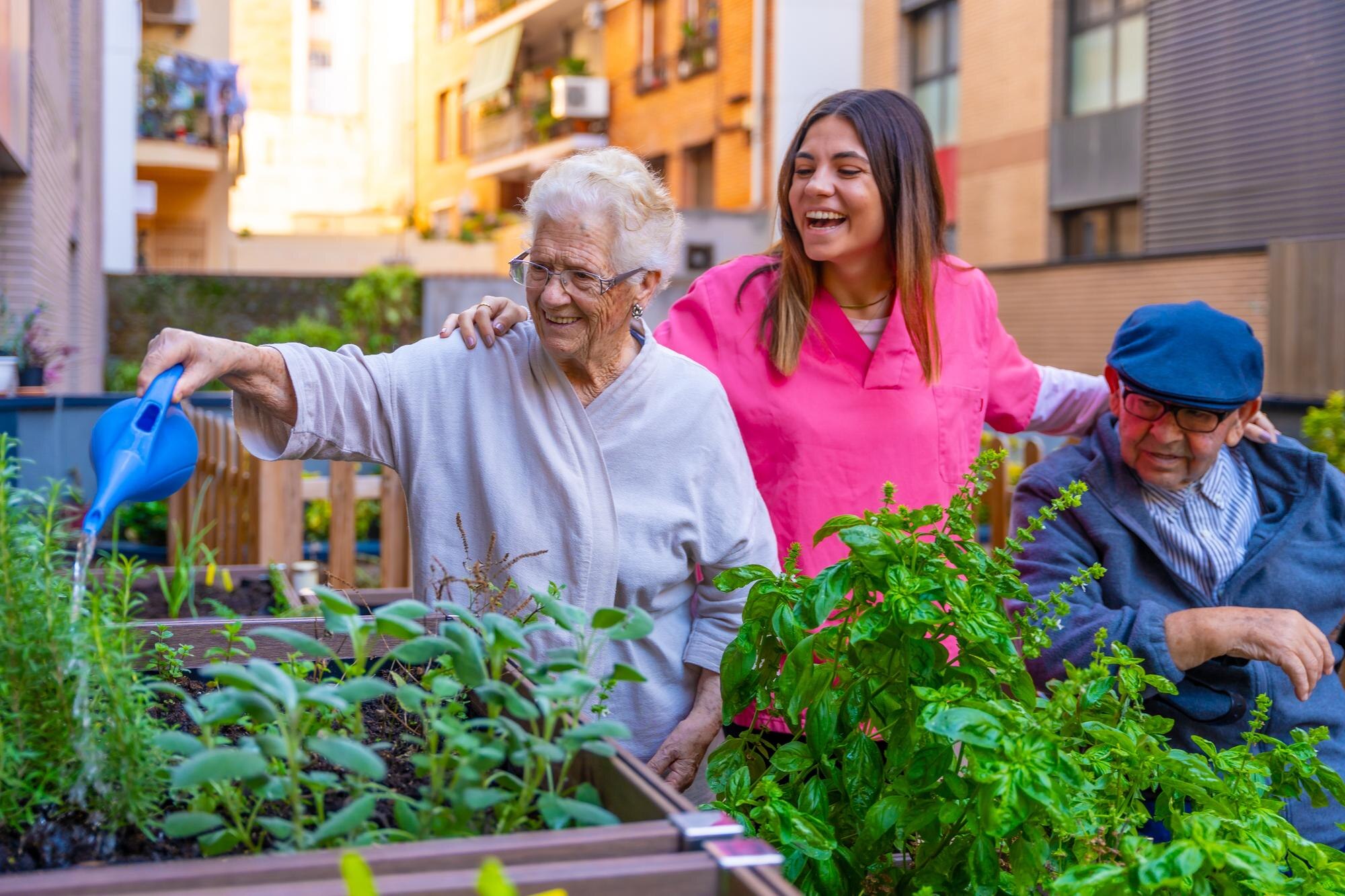
Ready to start your urban garden? It’s easier than you think. With the right steps, you’ll see your space transform into a lush, productive garden. Here’s how to begin.
Choosing the Right Plants for Your Space
Selecting plants suited to your environment is key. Start with easy-to-grow options. Herbs like basil and mint thrive in small spaces and are perfect for beginners. If you’re planting in containers, consider tomatoes or peppers—they’re both productive and space-efficient.
Think about sunlight. Most plants need at least six hours a day. Observe your space at different times to understand the light patterns. This will guide your plant choices, ensuring they thrive.
Consider the local climate too. Native plants often require less maintenance and are more resilient. They also support local wildlife, adding biodiversity to your garden. For more tailored advice, consult local gardening centers or online resources.
Creating a Garden-Friendly Environment
Your garden’s environment impacts its success. Start by testing your soil. Many urban areas have poor soil quality, but you can improve it with compost or soil amendments. Healthy soil means healthy plants.
Next, think about water access. Ensure your garden has a reliable water source. Drip irrigation or soaker hoses are efficient options that conserve water. If you have limited access, consider a rain barrel to collect and store rainwater.
Finally, protect your plants. Urban areas can have pests and pollution. Use natural pest control methods, like introducing beneficial insects or using organic sprays. And remember, raised beds can protect against contaminated soil.
Maintaining Your Urban Garden
Consistency is crucial in garden maintenance. Water your plants regularly, especially in hot weather. Mulching helps retain moisture and reduces the need for frequent watering.
Pruning is another essential task. Removing dead or overgrown branches encourages new growth and keeps plants healthy. Regularly check for pests or diseases to address issues promptly.
Don’t forget to celebrate your successes! Whether it’s your first tomato or a thriving flower bed, take pride in your garden’s progress. This positive reinforcement fuels your gardening journey.
Gardening Workshops for Sustainable Living
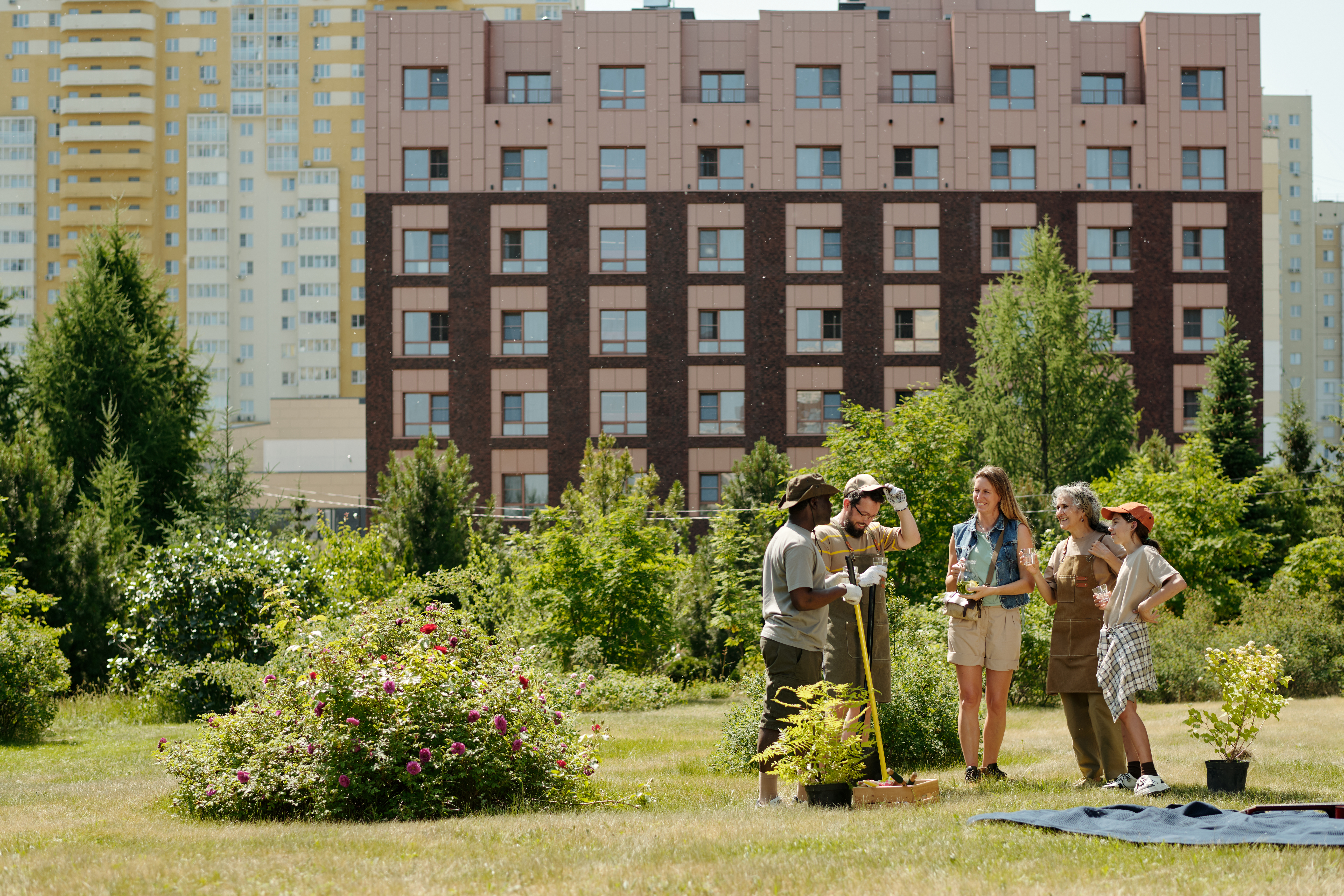
Gardening workshops offer hands-on learning experiences that boost skills and community engagement. These workshops are not just educational; they’re a chance to connect with others who share your passion for sustainability.
Hands-On Learning and Community Involvement
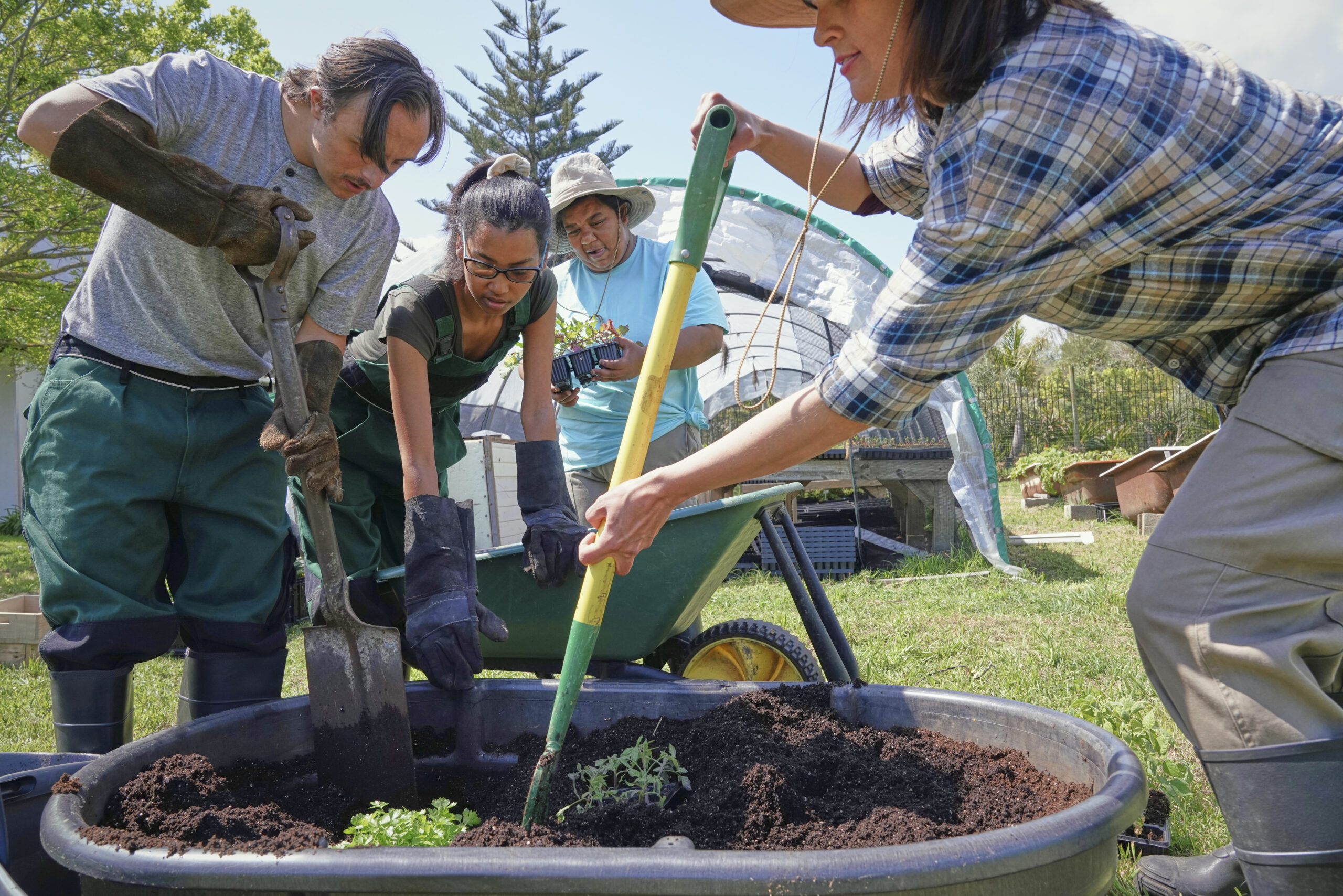
Workshops provide a practical approach to learning. Imagine participating in a session where you plant seedlings, learn composting techniques, and understand soil health—all guided by experts. This hands-on experience solidifies knowledge and builds confidence.
Community involvement is a core aspect. Workshops often bring together diverse groups, creating opportunities for networking and collaboration. You’ll leave with skills, new friends, and a sense of accomplishment.
If you’re interested in how workshops can empower diverse communities, this article offers valuable perspectives.
Upcoming Workshops and How to Join
Looking to join a gardening workshop? Many organizations offer sessions throughout the year. Check local community centers or gardening clubs for schedules. These workshops cater to all skill levels, so whether you’re a beginner or an experienced gardener, you’ll find a session that fits your needs.
Signing up is easy. Many workshops offer online registration. Spaces can fill quickly, so be sure to register early to secure your spot. It’s a simple step that opens doors to knowledge and community connections.
Benefits of Participating in Gardening Workshops 🌿
Gardening workshops offer numerous benefits. You’ll gain practical skills and a deeper understanding of sustainable practices. This knowledge empowers you to create a thriving garden, no matter the space.
Workshops also foster community spirit. You’ll connect with others who share your interests, exchanging ideas and experiences. This networking often leads to new friendships and ongoing collaboration.
Moreover, these workshops inspire a sense of accomplishment. As you apply what you’ve learned, you’ll see tangible results in your garden. It’s a rewarding experience that boosts confidence and encourages continued learning.
Urban gardening is more than a hobby—it’s a movement towards sustainability and community empowerment. By starting your garden and participating in workshops, you’re contributing to a greener, more connected world. Happy gardening! 🌱