
Transforming Your Garden into a Wildlife Sanctuary: A Step-by-Step Guide
Most gardens miss their chance to support local wildlife and pollinators, leaving a gap in biodiversity right outside your door. You don’t need a big yard or fancy tools to change that—just a few thoughtful steps to create a thriving wildlife sanctuary. This guide will show you how to turn your space into a pollinator garden filled with native plants that invite nature in and boost sustainable gardening efforts. Learn more about creating a wildlife-friendly garden here.
Creating a Wildlife Sanctuary
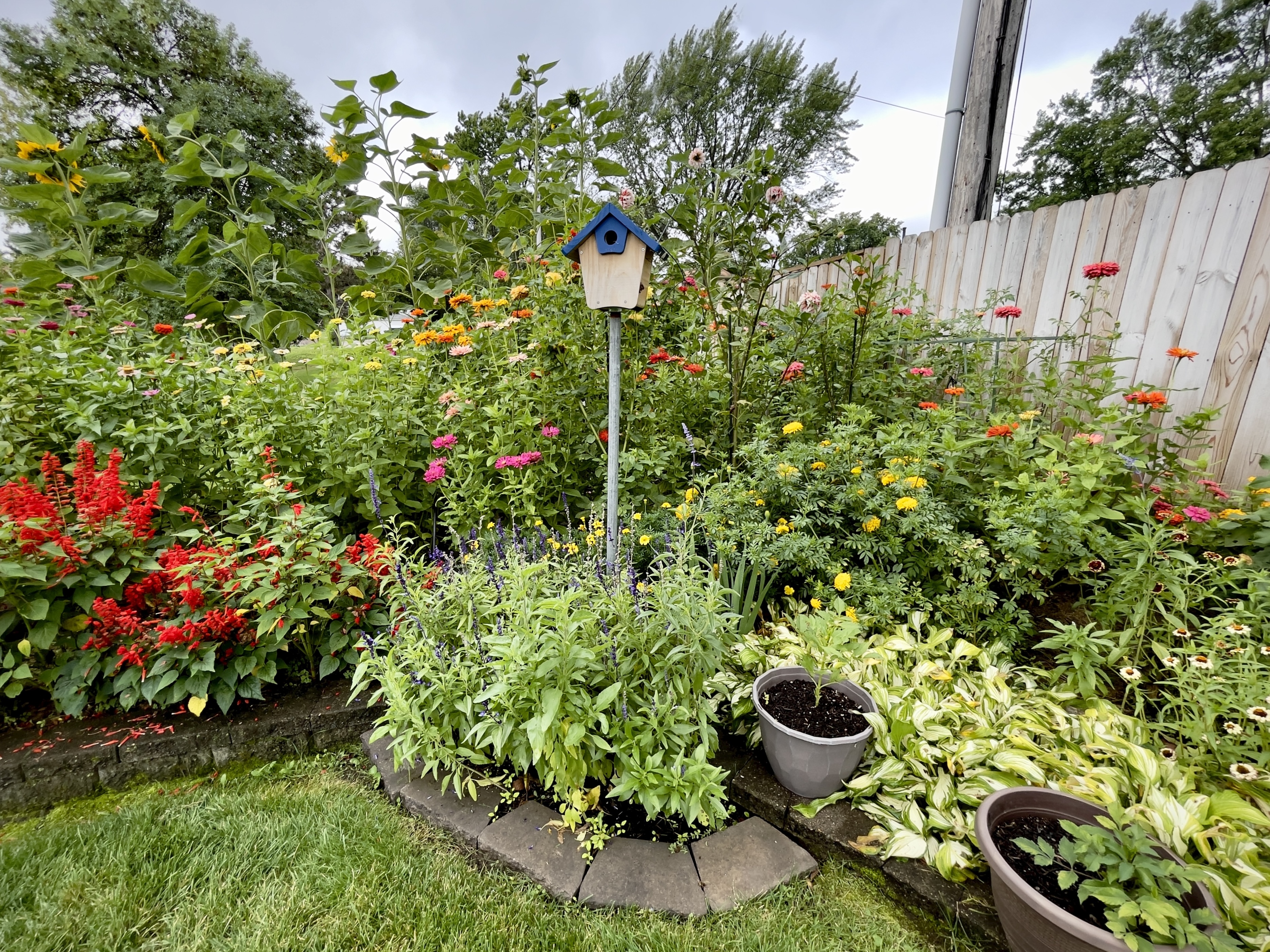
Creating a sanctuary for wildlife begins with understanding what your garden can do. By making a few key changes, you can turn your space into a welcoming habitat for local creatures.
Choosing Native Plants
Native plants are crucial in setting up your garden as a wildlife haven. These plants have evolved to thrive in your local climate and soil conditions, requiring less maintenance and water. For instance, planting Milkweed can attract monarch butterflies, while Coneflowers serve as a favorite of native bees. To get started, identify which native plants suit your area best and create a plan to include them in your garden. Not only will they attract pollinators, but they also provide food and shelter for other wildlife. To learn more about native plant habitats, visit the National Wildlife Federation.
Attracting Local Wildlife
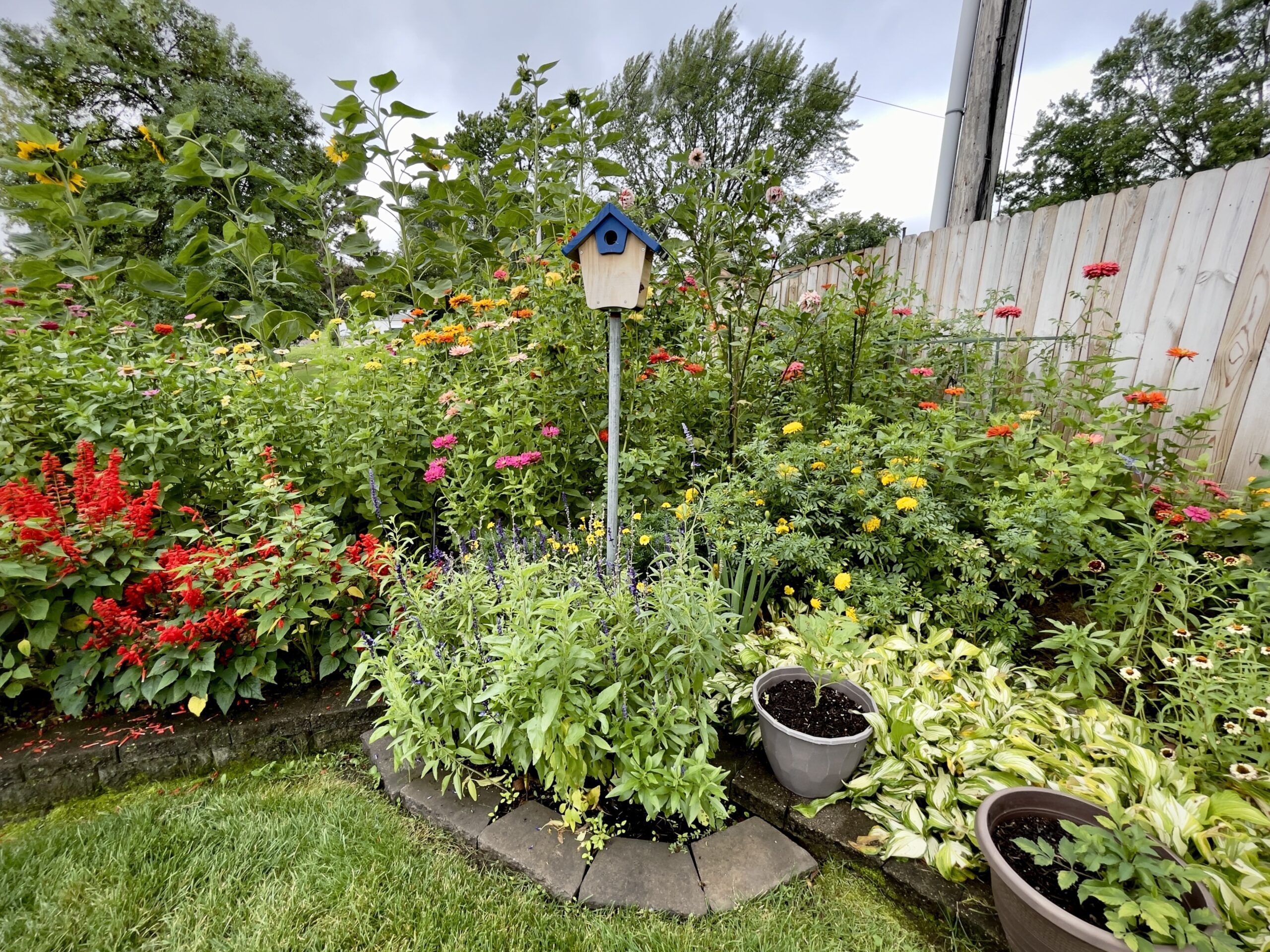
Once your plants are in place, it’s time to focus on inviting wildlife. A small pond, birdbath, or even a shallow dish of water can serve as a much-needed resource for birds and insects. Including a mix of shrubs, trees, and flowering plants provides various layers of shelter and food sources for animals. Add a few birdhouses or bat boxes to offer more nesting options. Remember, the goal is to create a balanced ecosystem where different species can coexist harmoniously. For more ideas on designing your garden for wildlife, check out this resource.
Building a Pollinator Garden
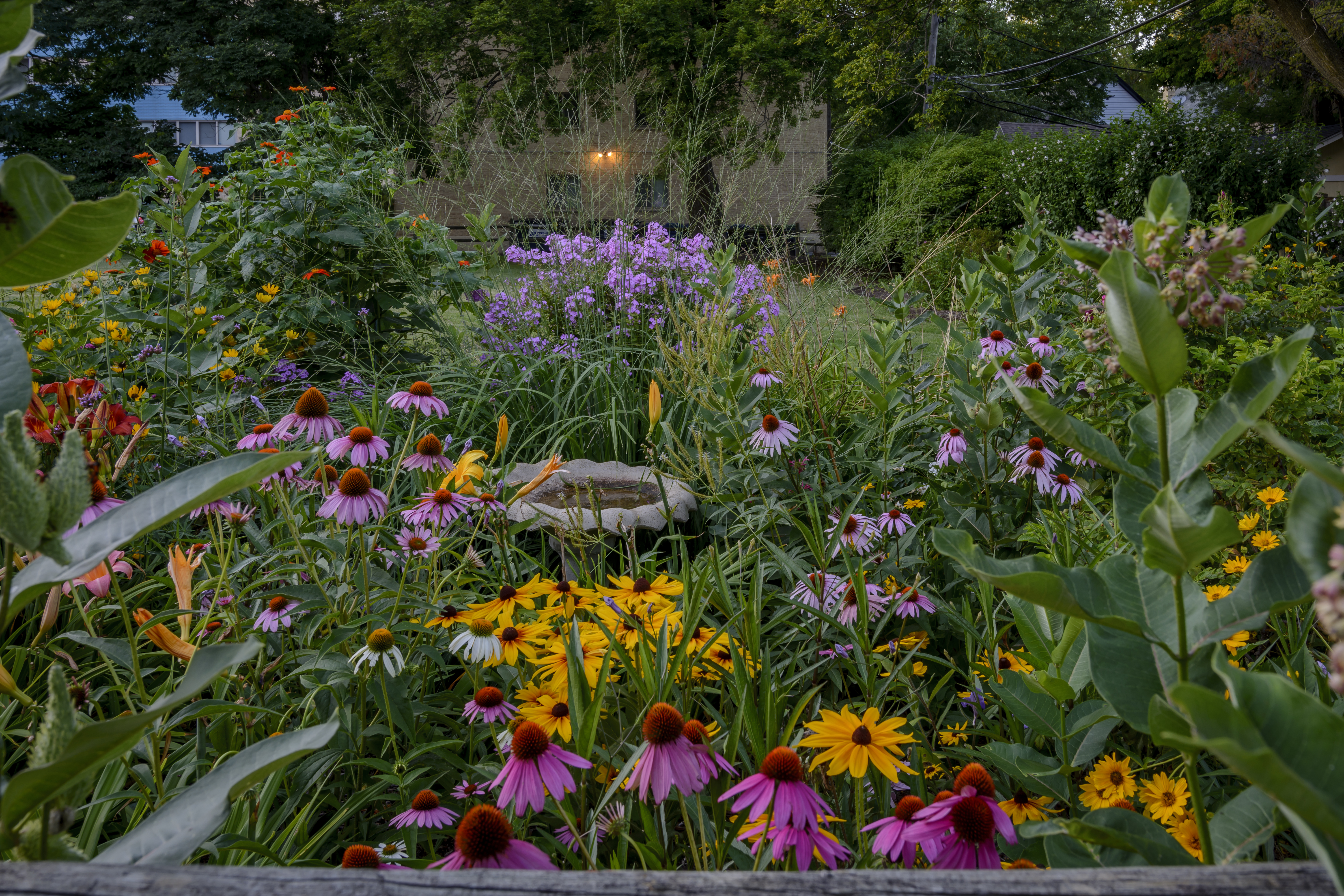
Pollinators like bees, butterflies, and birds play a vital role in our ecosystems. Creating a garden that welcomes them is a step towards a healthier planet.
Selecting Pollinator-Friendly Plants
Pollinator-friendly plants are the heart of any wildlife garden. Choose a variety of flowering plants that bloom at different times of the year. This ensures that your garden is a constant source of nectar. Lavender, Sunflowers, and Bee Balm are excellent choices. These plants not only attract pollinators but add color and fragrance to your garden. It’s important to avoid pesticides, as they can harm beneficial insects. Instead, let nature do its job. You can dive deeper into pollinator garden ideas by joining discussions in the Native Garden Design Group.
Designing for Year-Round Blooms
To keep your garden buzzing all year, plan for continuous blooms. This involves selecting plants with staggered flowering times. In spring, you could plant Tulips and Daffodils. Summer might see Zinnias and Cosmos. As fall arrives, Asters and Goldenrods take the stage. By thinking ahead, you ensure that your garden is always appealing to pollinators. Continuous blooms also mean a vibrant, colorful garden for you to enjoy throughout the seasons.
Sustainable Gardening Practices
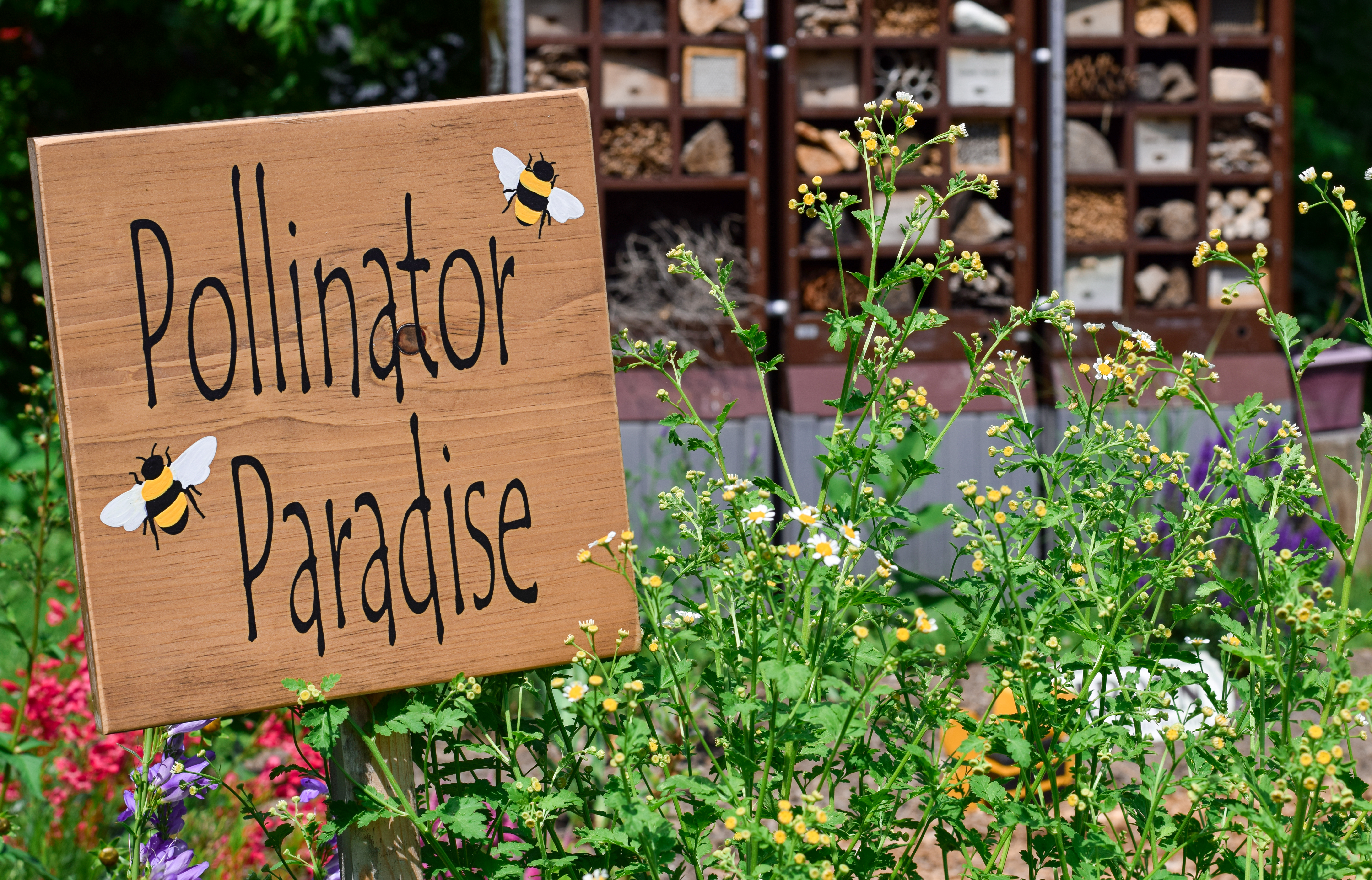
Embracing sustainable practices in your garden benefits the environment and makes your gardening efforts more rewarding and lasting.
Water Conservation Techniques
Water is a precious resource, and conserving it is crucial for sustainable gardening. Consider installing a rain barrel to capture rainwater for your garden. This simple step can save you a significant amount of water each year. Another technique is mulching, which helps retain soil moisture and reduce the need for frequent watering. Try grouping plants with similar water needs together to optimize your watering schedule. Implementing these strategies will help you maintain a healthy garden with minimal water use.
Organic Pest Management 🌿✨
Managing pests organically not only protects the environment but also keeps your garden safe for wildlife. Introduce beneficial insects like ladybugs and lacewings to control pests naturally. You can also use companion planting to deter unwanted insects. For instance, marigolds can repel nematodes when planted alongside vegetables. Physical barriers like row covers can also protect plants without the need for chemicals. These methods ensure that your garden remains a haven for all living creatures. To explore more about sustainable gardening, visit the Homegrown National Park Initiative.
By following these steps, you can transform your garden into a thriving wildlife sanctuary that supports local biodiversity and fosters sustainable practices.