
Cultivating Hope: Your Guide to Starting a Community Garden from Scratch
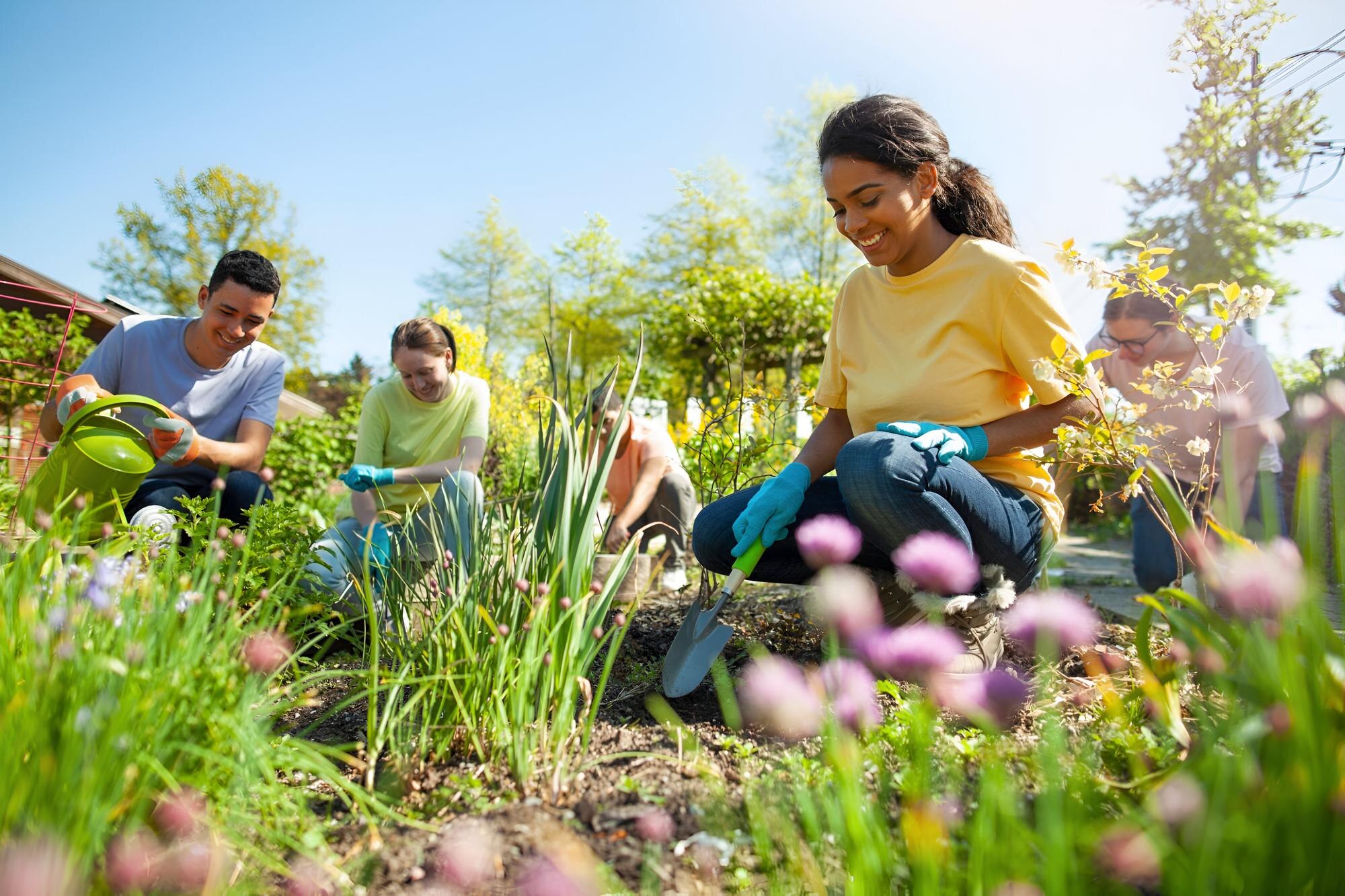
Starting a community garden from scratch can feel overwhelming when you don’t know where to begin. You want to grow fresh food, build connections, and support food security, but the steps aren’t always clear. This guide breaks down simple gardening tips and shares hands-on workshops that help you turn empty soil into a thriving community garden everyone can enjoy. For more detailed steps, you can refer to this guide.
Building the Foundation
The heart of any community garden lies in its foundation. This is where your journey truly begins, setting the stage for growth and collaboration.
Finding the Perfect Location
Your first step in creating a community garden is choosing the right spot. Look for public land that gets plenty of sunlight. Consider areas like parks, schoolyards, or unused plots in your neighborhood. Check with local authorities about permission to use the land. You can also explore options like partnering with local businesses or schools that may have extra space. Make sure your location is accessible to everyone and has a nearby water source. Here’s a checklist that can help you evaluate potential sites.
Gathering Your Growing Team
Building a garden is a team effort. Start by reaching out to friends, family, and neighbors who might be interested. The more people you have, the more ideas and skills you’ll gather. Organize a meeting to discuss everyone’s vision and roles in the project. Consider forming committees or assigning specific tasks, like planting, watering, and community outreach. This not only distributes the workload but also builds a sense of ownership and unity among participants. Sharing this journey with others is one of the most rewarding parts of creating a community garden.
Essential Gardening Tips
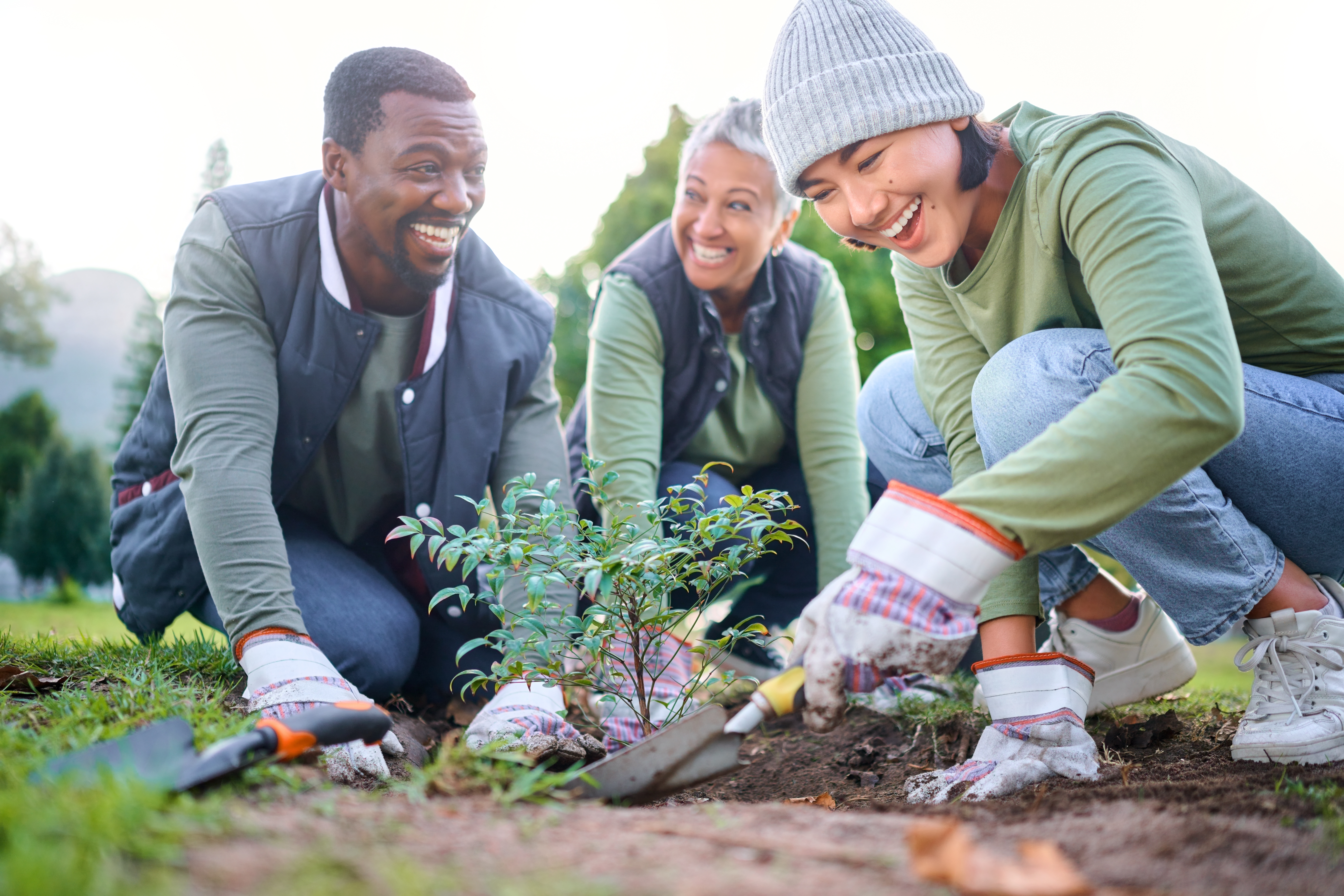
With your foundation in place, it’s time to focus on what you’ll grow. From picking the right plants to preparing your soil, these tips will guide your success.
Choosing the Right Plants
Selecting the right plants for your garden is crucial. Start with vegetables and herbs that are easy to grow and maintain, like tomatoes, lettuce, and basil. Consider the climate and soil conditions of your area. It’s helpful to plant a mix of quick-growing veggies and those that take longer to harvest. Involving your group in the decision-making process can make it more fun and educational. Use this Reddit community for advice on what works best in your region.
Preparing Your Soil
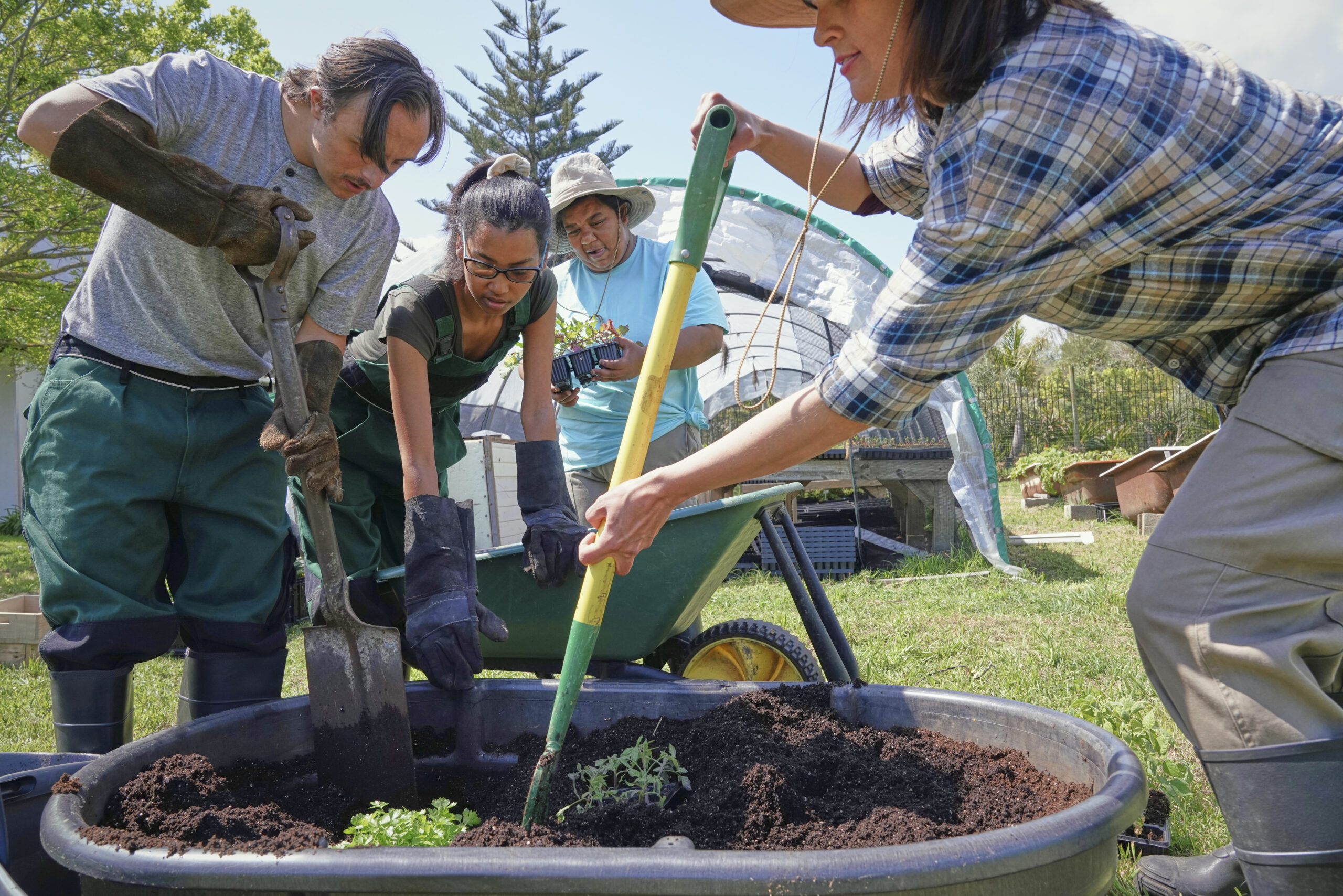
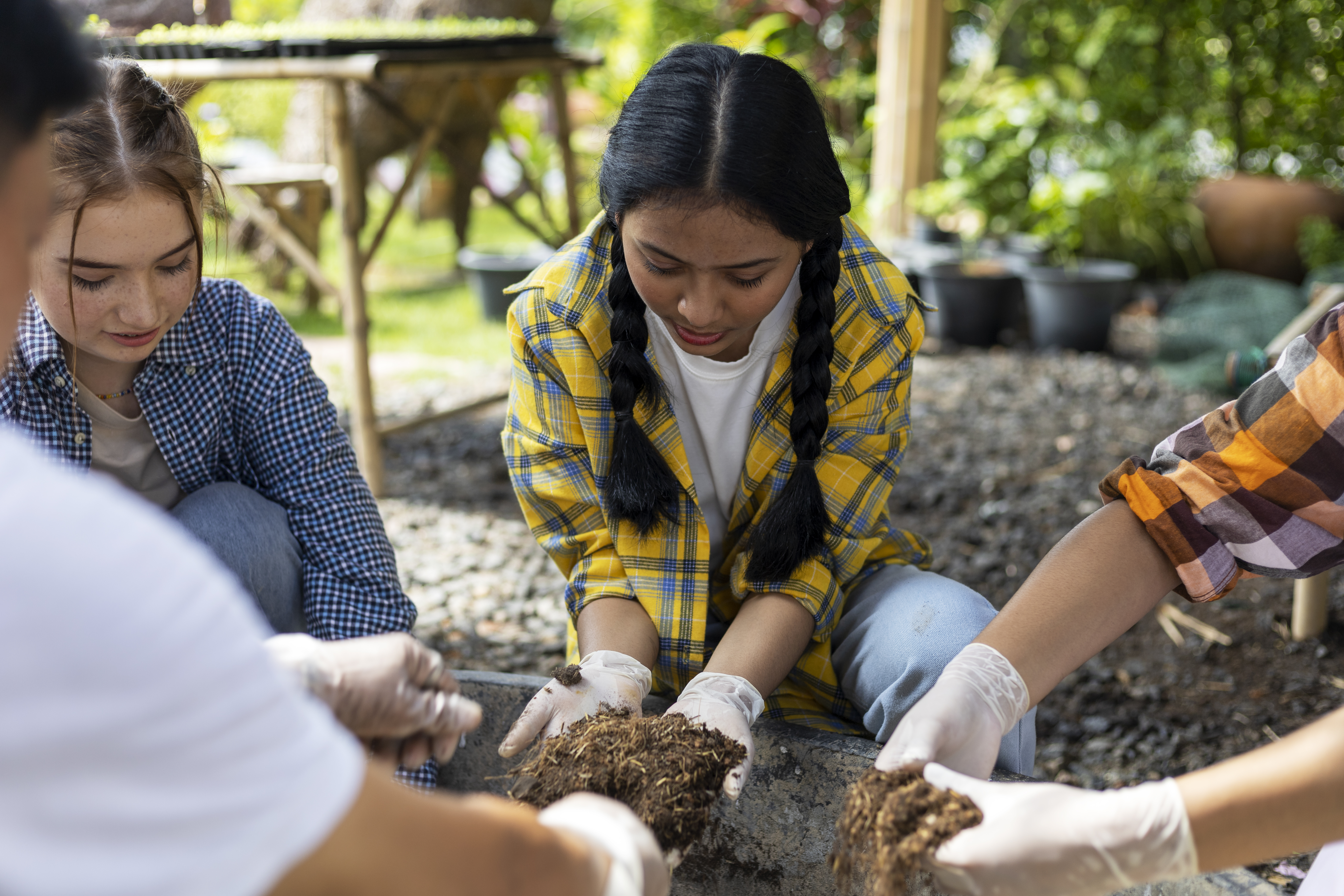
Healthy soil is the backbone of a thriving garden. Begin by testing the soil to understand its composition. You might need to add compost or organic matter to enrich it. Focus on loosening the soil to improve drainage and root growth. Regularly check for pests and weeds, as they can hinder plant development. By maintaining fertile soil, you ensure that your plants have the nutrients they need to flourish. For more detailed guidance on soil preparation, this guide offers great insights.
Fostering Community and Growth
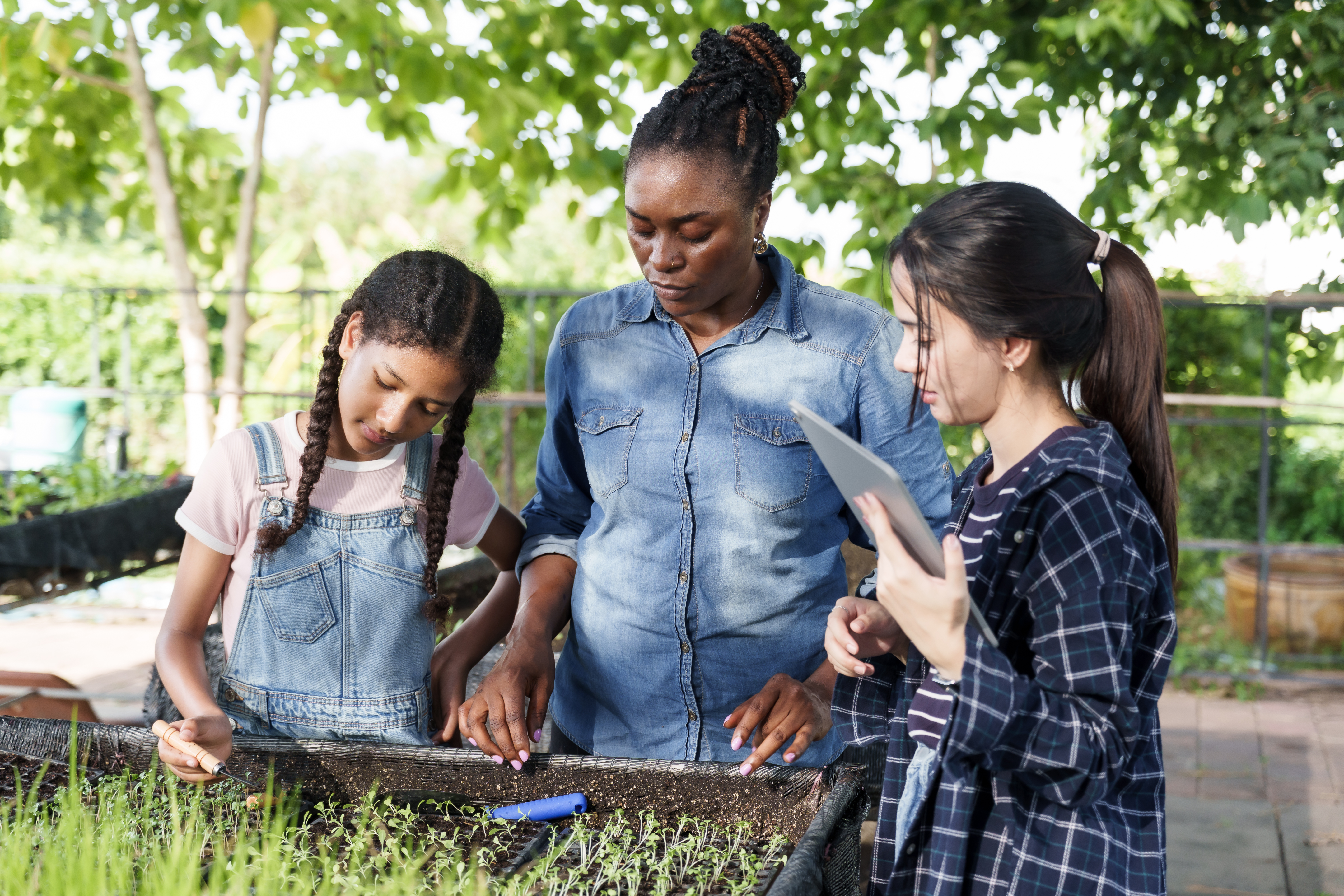
The garden is more than just plants—it’s about people and sustainability. Here’s how you can build a lasting impact together.
Creating Sustainable Practices
Sustainability is key to a successful community garden. Encourage practices like composting to reduce waste and enrich your soil. Use rain barrels to conserve water, and plant drought-resistant varieties if water is scarce. Consider rotating crops each season to maintain soil health. By adopting these practices, you not only save resources but also teach others the importance of sustainable living. This approach helps ensure the longevity of your garden while educating the community.
Promoting Food Security Together 🌱
A community garden is a powerful tool for enhancing food security. By growing your own food, you reduce reliance on external sources and gain access to fresh produce. Share your harvest with local food banks or families in need, amplifying your impact. Host workshops to educate others on gardening and preserving food. Most people think growing food is hard, but with the right guidance and teamwork, it can be a rewarding experience. The longer your garden thrives, the stronger your community becomes, creating a ripple effect of positivity and health.
By following these steps, you can transform empty spaces into vibrant community gardens. This journey not only enriches the land but also nourishes the bonds between people, fostering a spirit of collaboration and sustainability.