
Gardening Techniques to Boost Local Biodiversity: Cultivate a Thriving Ecosystem
Most gardens miss a simple chance to support wildlife and improve the local ecosystem. You can change that by using biodiversity gardening techniques that bring native plants and pollinator habitats to your outdoor space. This guide will show you easy ways to create a thriving garden that helps nature and strengthens your connection to the world around you. Learn more about how to add biodiversity to your garden by visiting this resource.
Native Plants: The Backbone of Biodiversity
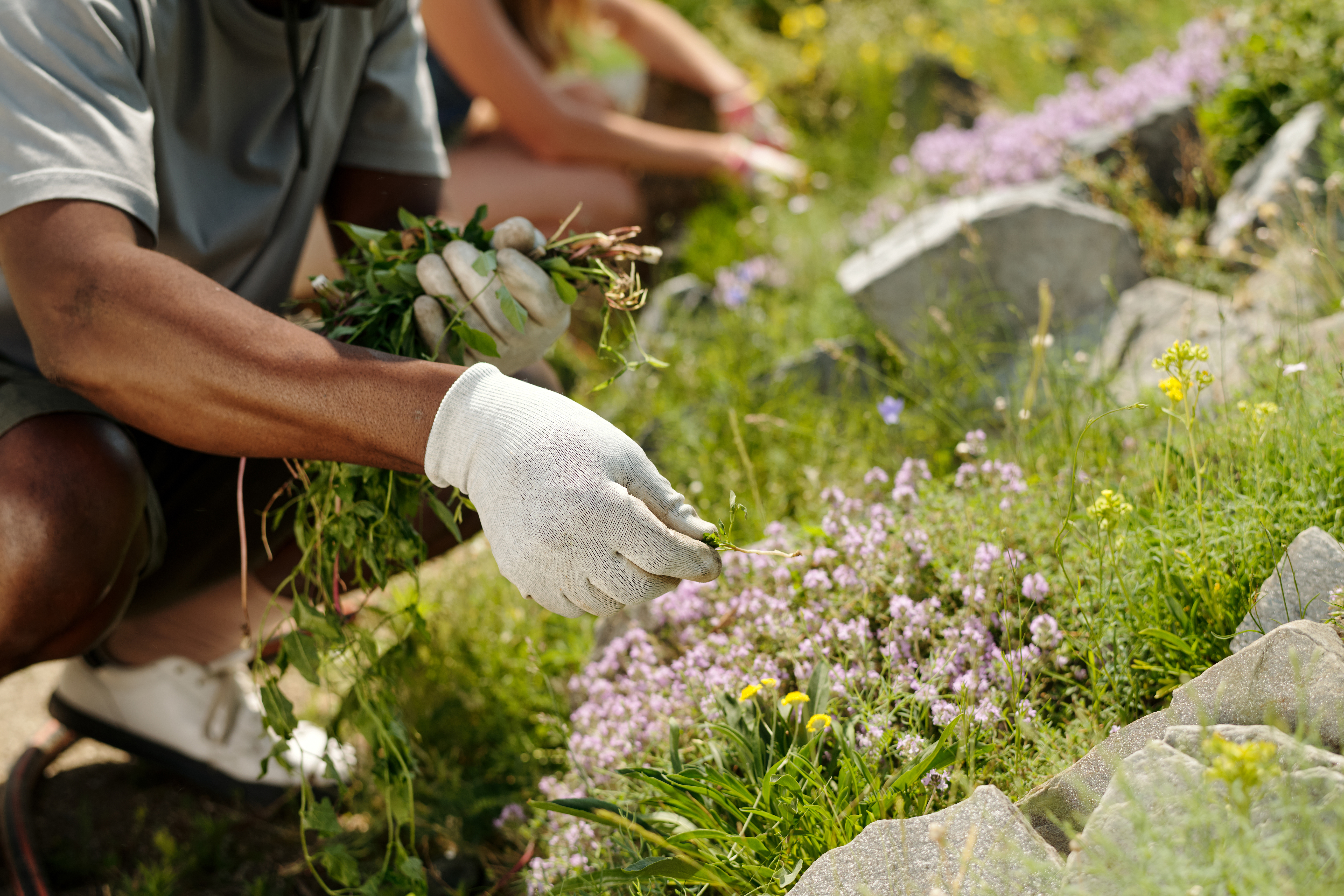
Native plants are the unsung heroes of any thriving garden. They provide the foundation for a healthy ecosystem, offering food and shelter to local wildlife. By incorporating these plants, you’re not just adding beauty to your yard but also helping your environment.
Choosing the Right Native Plants
Selecting the right native plants begins with knowing your local climate and soil conditions. Visit local nurseries or extension offices for advice on species that thrive in your area. Consider plants like Milkweed for butterflies or Goldenrod for bees. These choices are perfect for providing essential resources for pollinators.
When planting, group similar species together. This method mimics natural settings, making it easier for local fauna to find food and shelter. Plus, native plants often require less water and fertilizer, reducing your garden’s environmental footprint. Interested in more tips? Check out this guide for additional strategies.
Benefits of Native Plant Gardens
Native plant gardens offer numerous advantages beyond aesthetics. They support biodiversity by attracting a range of pollinators and other wildlife, creating a mini-ecosystem in your backyard. These plants have evolved alongside local fauna, making them a perfect fit for your garden.
Over 90% of insects are specialists, meaning they depend on specific plants. By choosing native plants, you ensure these insects have a place to thrive, which in turn supports birds and other animals. Not only do these gardens flourish with minimal maintenance, but they also enhance soil health and reduce erosion.
Creating Pollinator Habitats
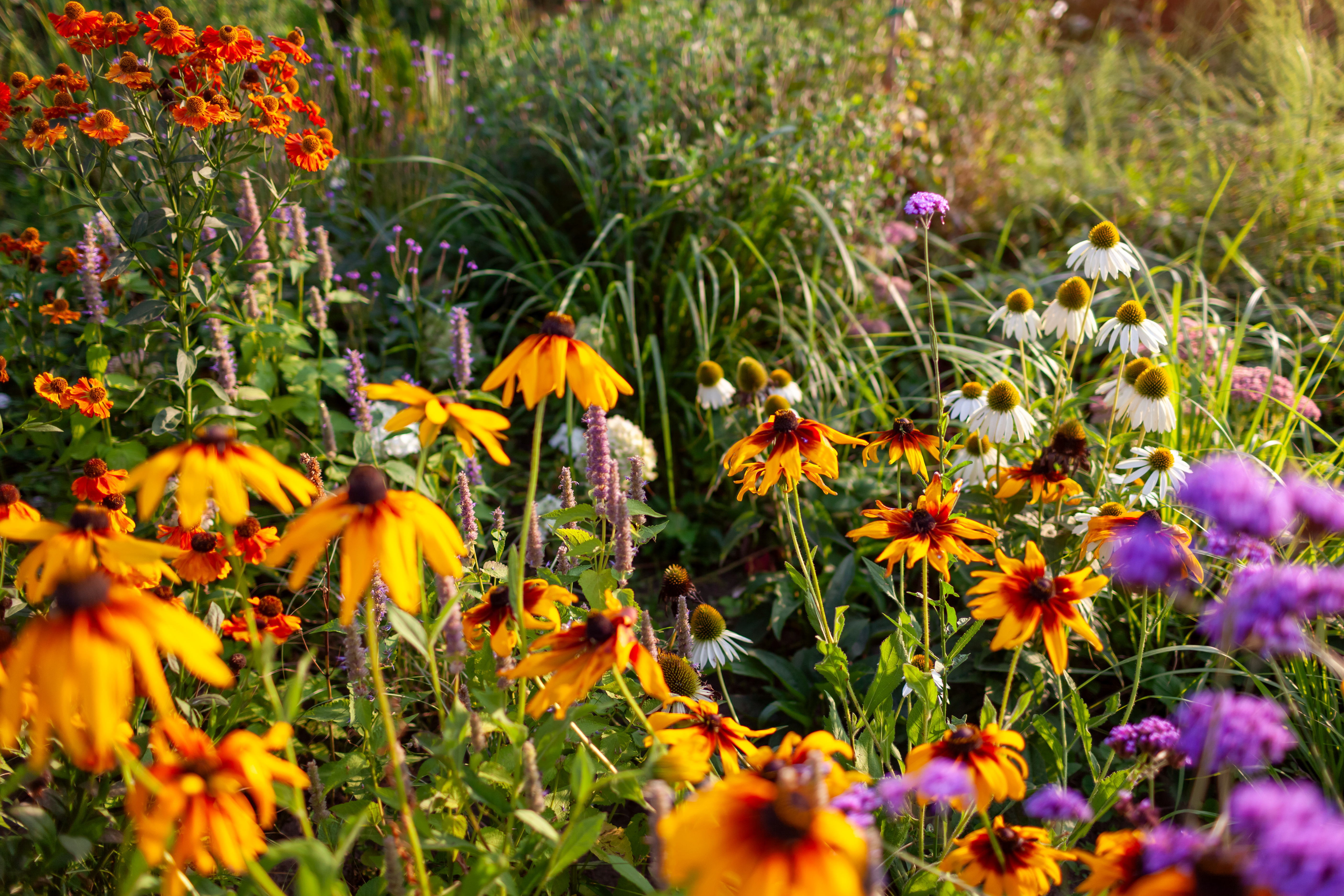
Pollinators play a vital role in maintaining biodiversity. Bees, butterflies, and other pollinators need specific conditions to thrive. Your garden can become a sanctuary for these creatures with a few thoughtful additions.
Designing a Pollinator-friendly Space
Start by planting a variety of flowers that bloom at different times of the year. This approach ensures a continuous supply of nectar and pollen. Use colors like purple, yellow, and blue to entice different pollinators. Position flowering plants in clusters to make them more attractive and easier to find.
Integrate water sources like small bird baths or shallow pans filled with stones. These provide essential hydration points. Avoid using pesticides, which can harm pollinators and disrupt the balance of your garden. Explore more ways to create a friendly environment here.
Best Practices for Attracting Pollinators
The key to attracting pollinators is diversity. Mix annuals and perennials to maintain a vibrant display all year. Incorporate native grasses, which serve as larval host plants for butterflies. Remember, even a small space can support a robust pollinator population if designed thoughtfully.
Adding elements like bee hotels or nesting boxes can further support these vital creatures. These structures provide safe spots for bees and other insects to rest and reproduce. Keep your garden tidy but natural, allowing for some wild areas where leaves and twigs accumulate. These spots are perfect homes for beneficial insects.
Sustainable Gardening Practices
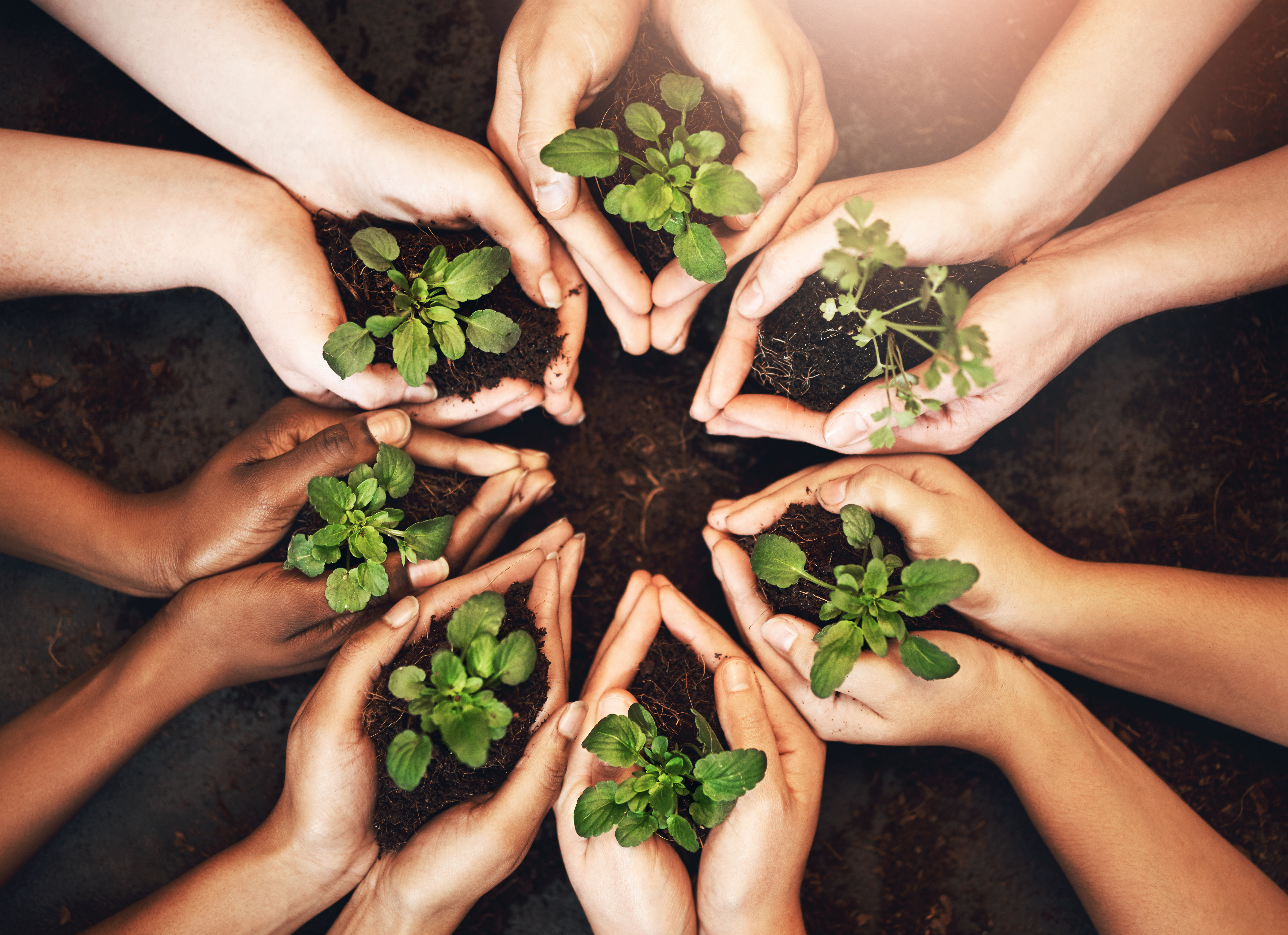
Sustainable gardening is about working with nature, not against it. By adopting eco-friendly practices, you create a garden that is not only beautiful but also beneficial to the planet.
Water Conservation Techniques
Water is a precious resource, especially in gardens. To conserve it, employ methods like drip irrigation or soaker hoses that deliver water directly to plant roots. Mulching is another effective strategy. It helps retain moisture and reduces the need for frequent watering.
Consider installing a rain barrel to collect rainwater. This simple step can save gallons of water for your garden. For more insights on creating an eco-friendly yard, explore this article.
Soil Health and Composting
Healthy soil is the cornerstone of a thriving garden. Regularly test your soil to understand its needs and deficiencies. Add organic matter like compost to enrich the soil, improving its structure and nutrient content.
Composting is a great way to recycle kitchen and garden waste while enhancing soil health. A well-maintained compost pile can supply your garden with rich, fertile soil. Remember, a healthy garden starts with healthy soil, and the benefits extend to every plant and creature in your ecosystem. For a comprehensive guide to enhancing your garden’s biodiversity, consider this resource.
🌿🌼🐝
By embracing these biodiversity gardening techniques, you not only create a stunning garden but also make a positive impact on your local ecosystem. Your efforts will support wildlife, conserve resources, and connect you to the natural world. So, let’s dig in and cultivate a thriving, sustainable garden together!