
Growing Young Minds: Fun and Educational Gardening Activities for Kids!
Most kids spend hours on screens, missing out on nature’s best lessons. Gardening activities for kids offer a hands-on way to spark curiosity and teach real-life skills about plants, food, and care for the earth. This post shares simple, fun projects that bring children closer to nature while planting seeds for sustainable living and lifelong learning. Explore more activities here.
Engaging Kids in Gardening
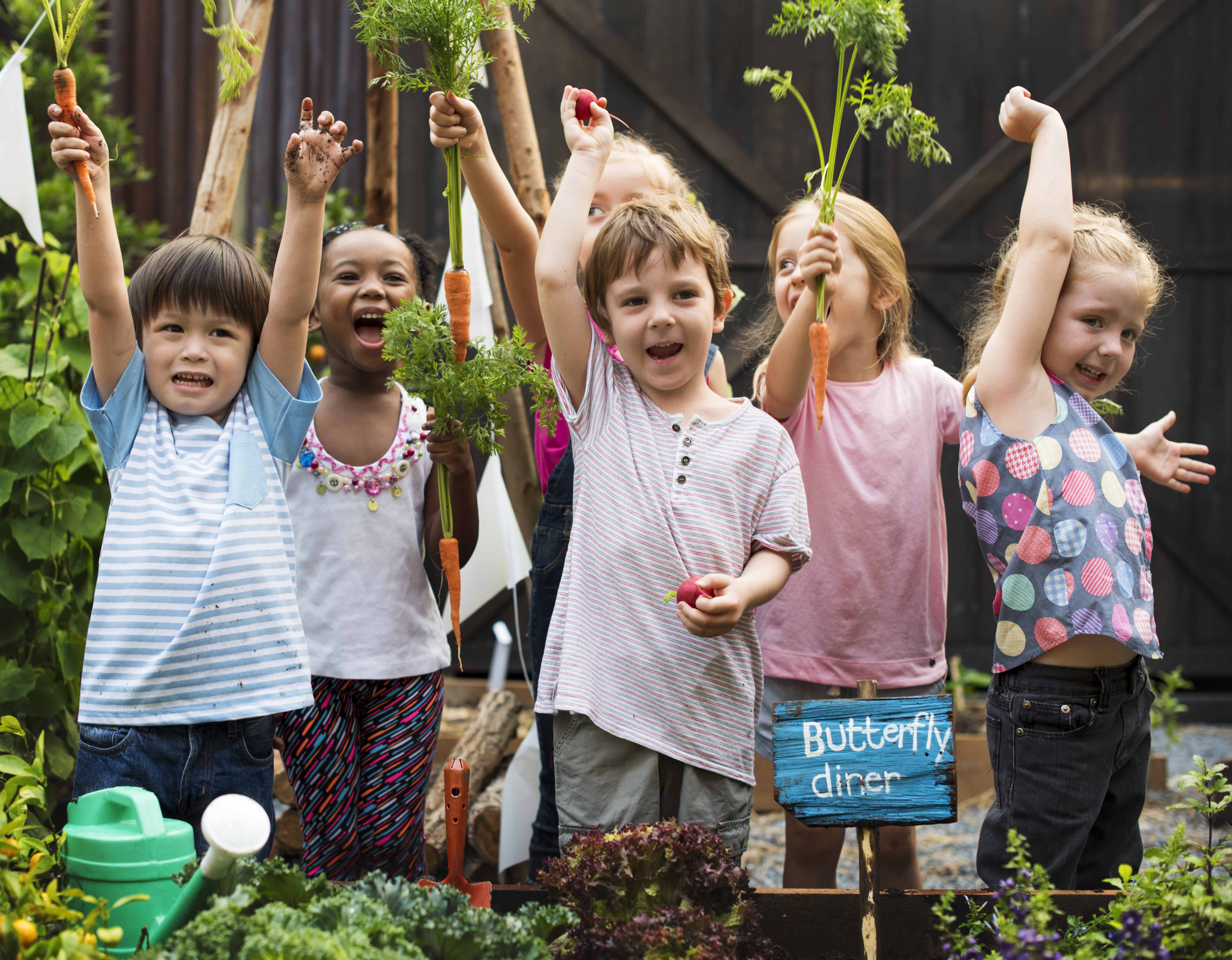
Gardening transforms passive screen time into active discovery, opening doors to nature’s wonders. By involving kids in gardening, you nurture curiosity and teach valuable life skills.
Fun Gardening Activities for Kids
Engage your kids with activities they’ll love. Starting with seed sprouting, this simple project unveils the magic of growth. Place seeds in a jar with damp cotton balls, and watch them sprout in days. This hands-on activity captivates young minds and teaches patience and care. Another exciting project is creating a mini-garden. Use small pots or recycled containers and let your children choose their favorite herbs or flowers. This not only introduces them to plant life but also gives them a sense of responsibility as they water and nurture their tiny garden. For more ideas, check out these engaging gardening activities.
Hands-on Learning Adventures
Hands-on activities transform learning into an adventure. Encourage your child to paint rocks as plant markers, turning a simple garden visit into a creative journey. This colorful activity not only entertains but also helps them identify different plants. Next, try composting. Begin with kitchen scraps and show how waste becomes nutrient-rich soil. It’s a powerful lesson in recycling and growth. As they mix and observe, they’re learning about the environment and sustainability.
Kids Gardening Projects at Home
Home gardening projects can be simple yet impactful. Create a butterfly garden to attract colorful visitors. Choose plants that butterflies love, like milkweed and lavender. This project teaches about ecosystems and the importance of pollinators. You can also make a sensory garden. Use plants with different textures and scents, like lamb’s ear and mint. This project provides a multi-sensory experience, engaging touch, smell, and sight. Explore more projects here.
Educational Benefits of Gardening
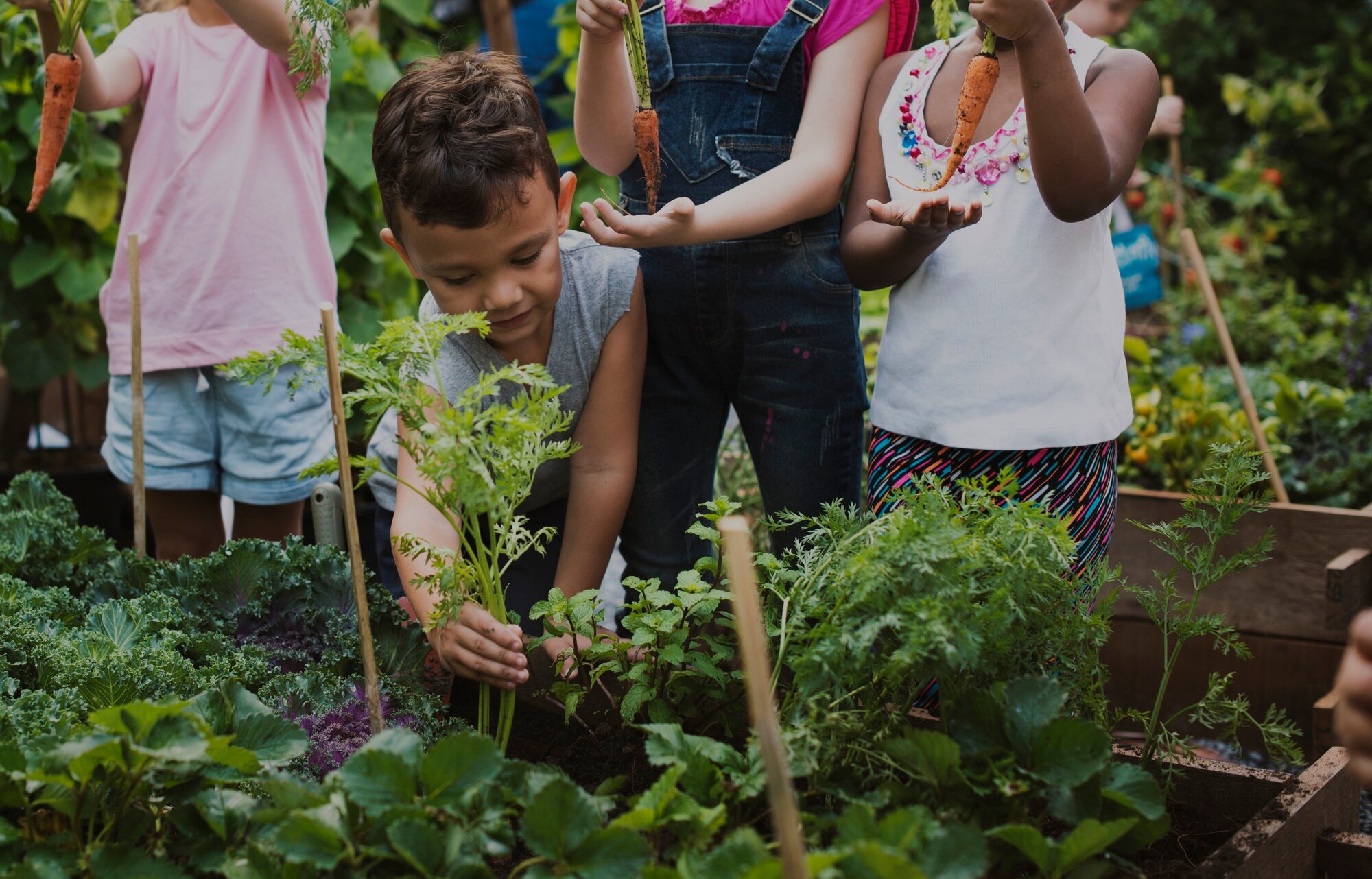
Gardening isn’t just fun; it’s a powerful educational tool. It promotes sustainable living, nature-based learning, and environmental awareness, all while being accessible and enjoyable for kids.
Teaching Sustainable Living to Children
Gardening teaches sustainability in a tangible way. When kids plant and care for a garden, they understand where food comes from and the effort involved in growing it. They learn the importance of using resources wisely, like water and soil. This hands-on experience builds a foundation for sustainable living. Plus, the pride in harvesting their own produce instills a sense of accomplishment and responsibility. Discover more on promoting sustainability here.
Nature-Based Learning Experiences
Nature is the best classroom, and gardening offers endless learning opportunities. Children observe the cycle of life, from seed to plant to fruit. They learn about weather patterns, soil types, and plant needs. This real-world education enhances their understanding of science and the environment. Moreover, gardening fosters problem-solving skills as kids tackle challenges like pests or plant diseases. It’s an outdoor adventure that enriches their knowledge and curiosity.
Promoting Environmental Awareness
Gardening fosters environmental awareness from a young age. It teaches children about biodiversity and the interdependence of living things. As they care for plants, they become caretakers of the Earth. This awareness extends beyond the garden, influencing how they interact with the environment. Kids learn the impact of human actions and the importance of conservation. Gardening is a powerful tool for raising future eco-conscious citizens.
Building a Gardening Community
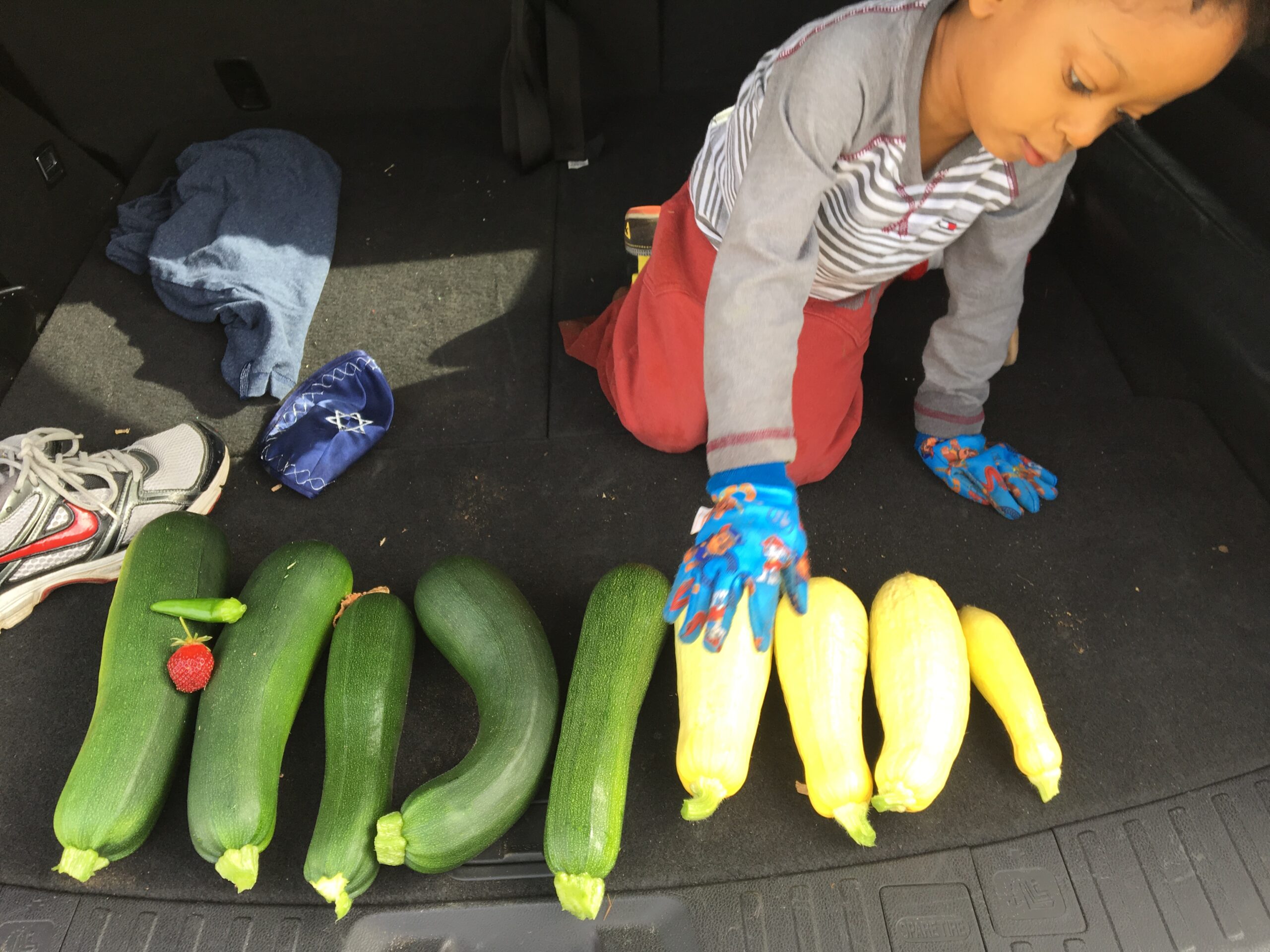
Gardening connects individuals and fosters community spirit. By starting youth initiatives, involving the community, and providing resources, we can empower the next generation of gardeners.
Starting Youth Gardening Initiatives
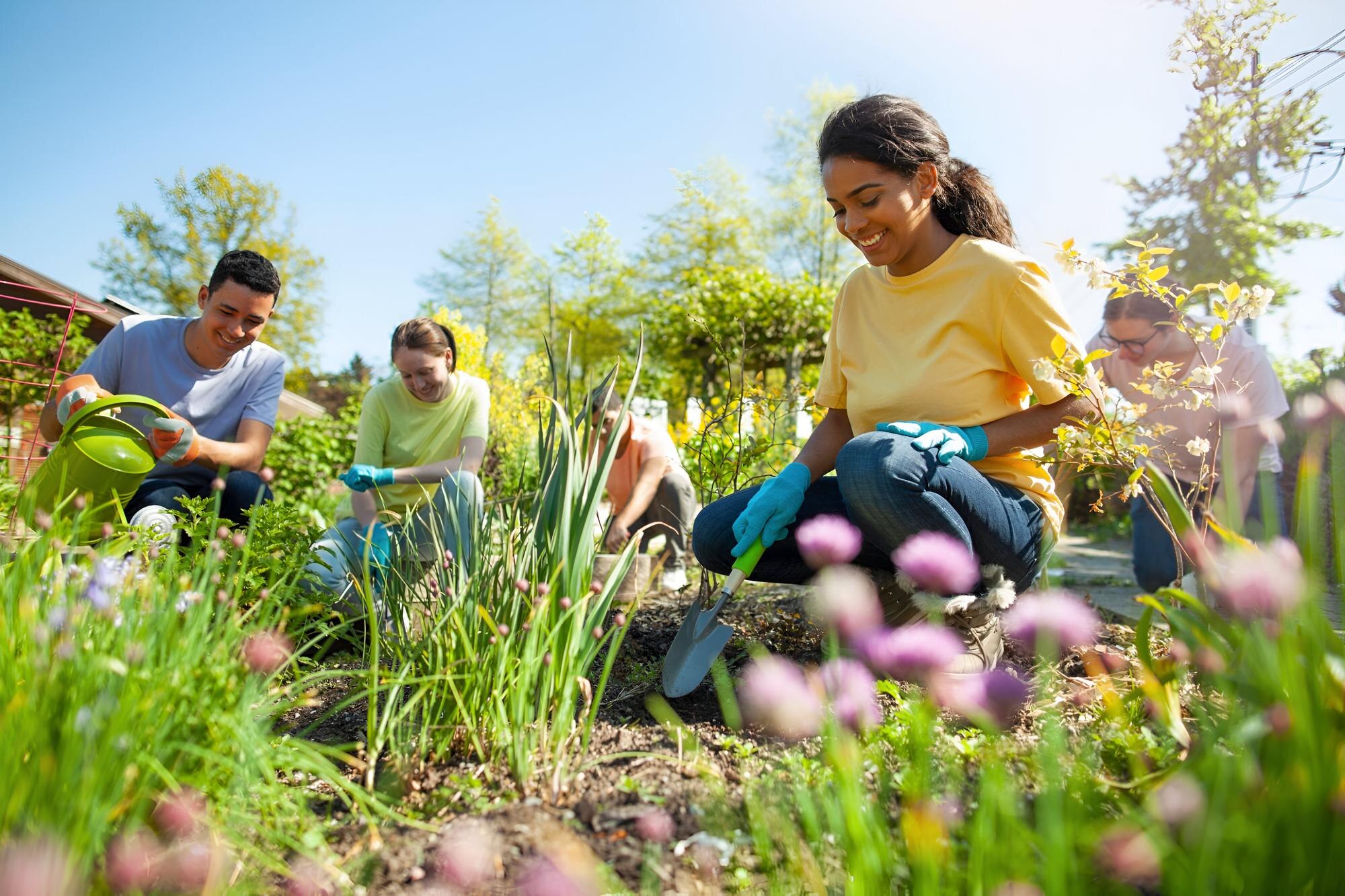
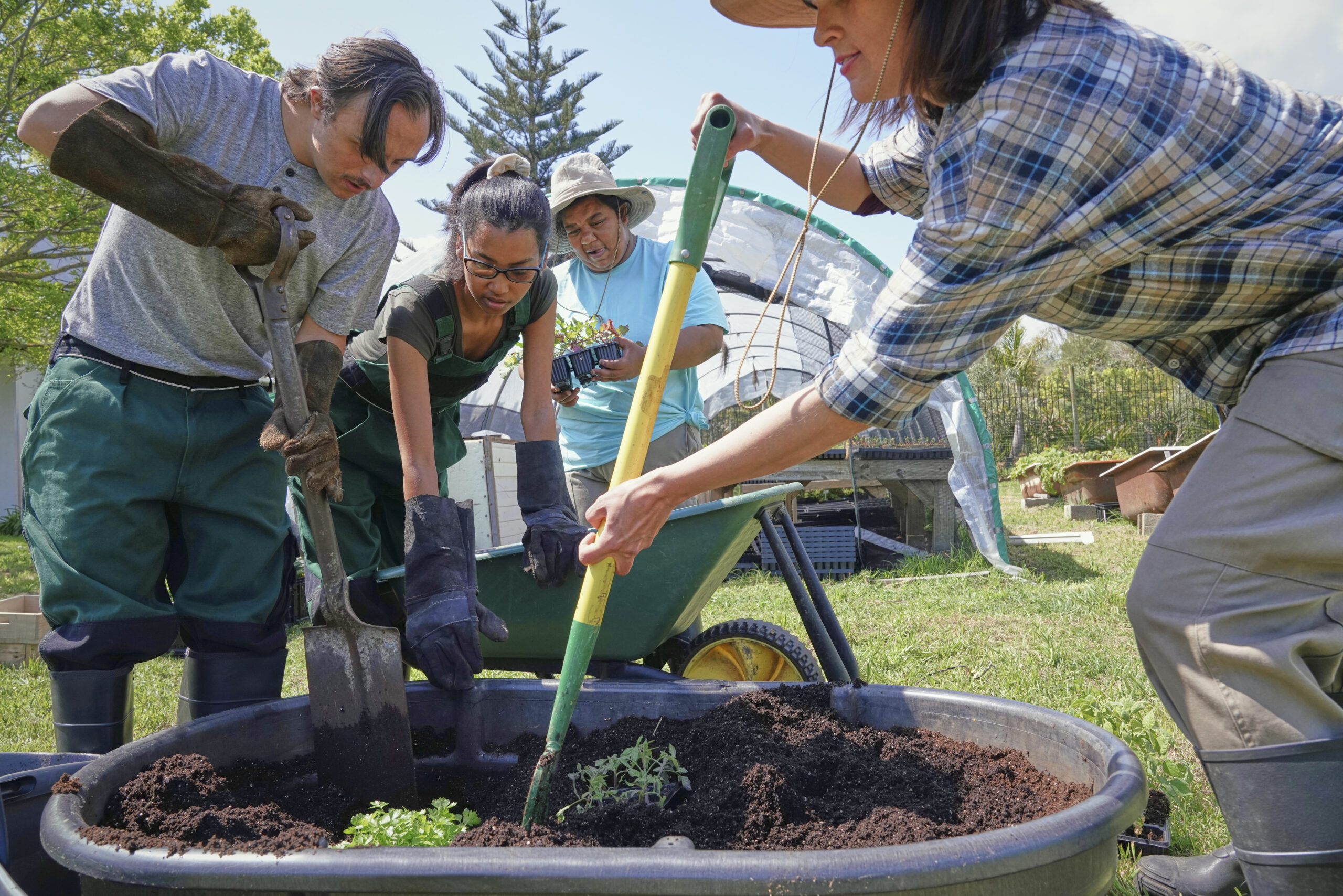
Youth gardening initiatives cultivate the next generation of green thumbs. Schools and community centers can set up garden clubs or workshops to engage children. These programs offer structured learning and collective achievement. Kids gain teamwork skills and a sense of belonging, all while having fun. Starting a garden initiative is a step towards creating a community of young, enthusiastic gardeners. For inspiration, see this discussion on youth gardening activities.
Community Involvement and Empowerment
Involving the community enhances gardening initiatives. Hosting community planting days or garden markets brings people together. These events create bonds and empower individuals to contribute to a shared cause. As gardens flourish, so does community spirit. The shared goal of growing and nurturing plants becomes a metaphor for growing and nurturing relationships. It’s a powerful way to build a supportive, empowered community.
Resources for Educators and Families 🌱
Resources are crucial for successful gardening education. Providing access to tools, guides, and workshops makes gardening accessible to all. Educators and families benefit from shared knowledge and expertise, making the learning process smoother and more effective. By offering resources, we empower individuals to start their own gardening journey, fostering a love for nature and sustainable living. For more resources, explore this comprehensive guide on gardening activities.
Gardening is a gateway to discovery, learning, and community building. It’s a journey worth embarking on, with benefits that last a lifetime. Let’s plant the seeds of knowledge and watch them grow. 🌿
🌿 Give today and help something beautiful take root.