
Quick Tips for Water-Wise Gardening This Season
Water-wise gardening isn’t just a smart choice—it’s how your garden stays healthy while saving every precious drop. When you focus on simple water conservation tips, your plants thrive without wasting resources. Let’s explore easy ways to nurture your garden sustainably this season and bring your green space to life with less water. Check out this guide for water-wise gardening. Stick around for practical tips that make a real difference in your gardening routine.
Efficient Watering Techniques
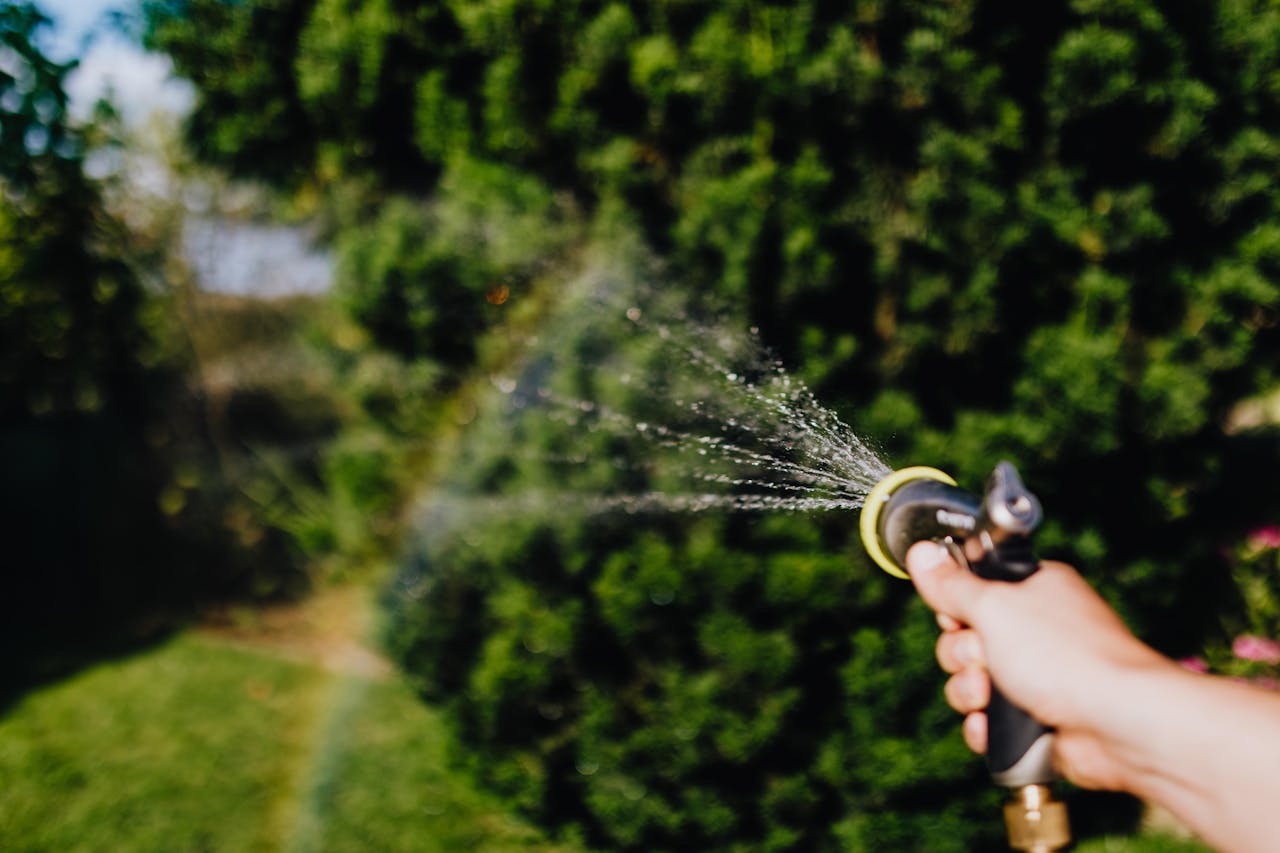
Keeping your garden lush while conserving water might sound tricky, but it’s all about smart watering techniques. Let’s explore two methods that help you achieve this balance.
Drip Irrigation Systems
Imagine a system that delivers water directly to the plant roots, minimizing waste. That’s the magic of drip irrigation systems. These systems use a network of tubing and emitters to distribute water slowly and precisely. This way, you ensure each plant receives the right amount without oversaturation.
-
Cost-effective: Initial setup costs can be recouped through water savings.
-
Customization: Easily adjust the system to suit different plant needs.
Drip irrigation is not only efficient but also promotes healthier plants. By targeting the roots, you reduce water runoff and evaporation. Most gardeners find that using this method leads to a 30-50% reduction in water usage compared to traditional watering. For more on setting up these systems, check out this helpful resource.
Optimal Watering Times
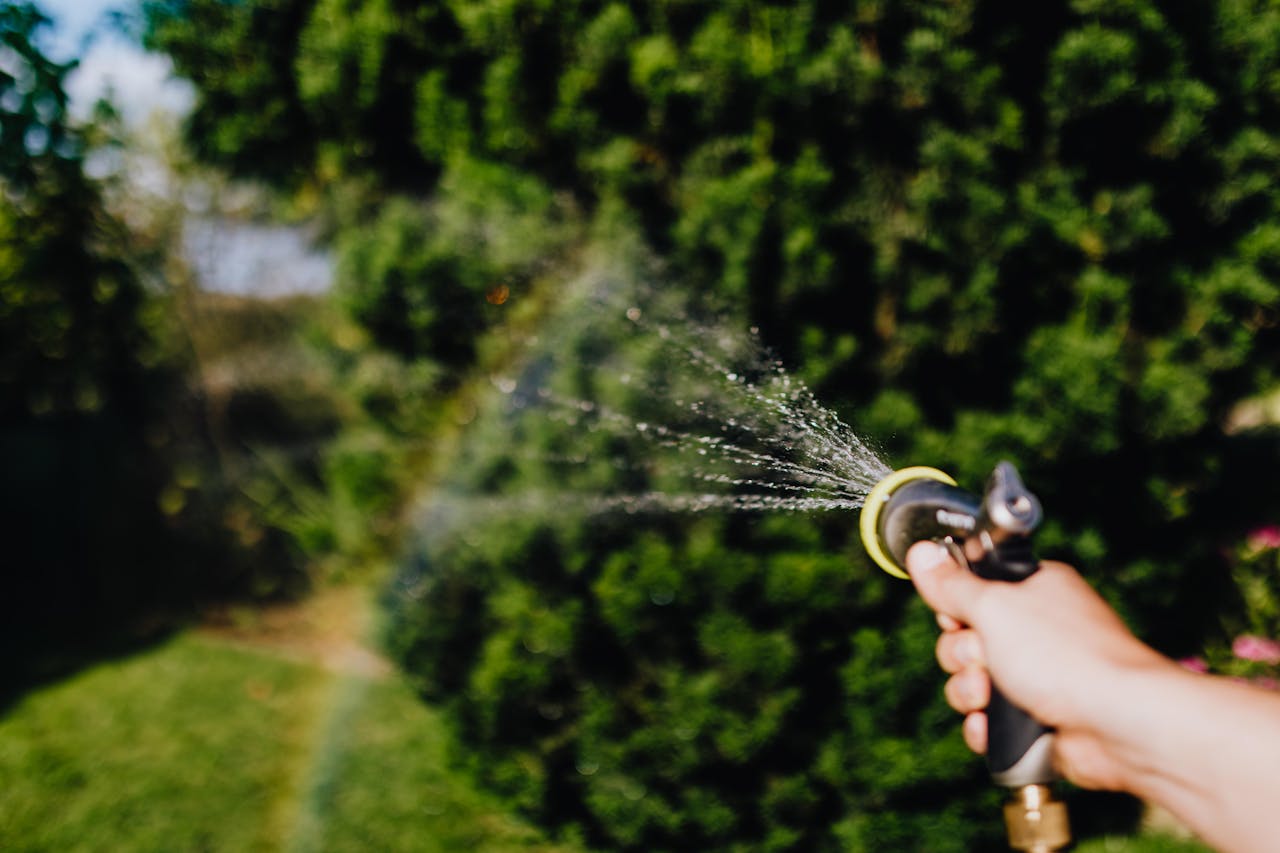
Timing is key to maximizing the benefits of your watering efforts. Aim to water your plants early in the morning when temperatures are cooler. This approach reduces the amount of water lost to evaporation.
-
Morning hours: Watering between 5-9 AM is ideal.
-
Avoid midday: The sun’s heat will cause quick evaporation, wasting water.
Watering early also gives plants the moisture they need to face the heat of the day. If morning watering isn’t possible, try late afternoon, but allow leaves time to dry before nightfall to prevent fungal diseases. For more tips, visit this gardening guide.
Plant Selection for Conservation
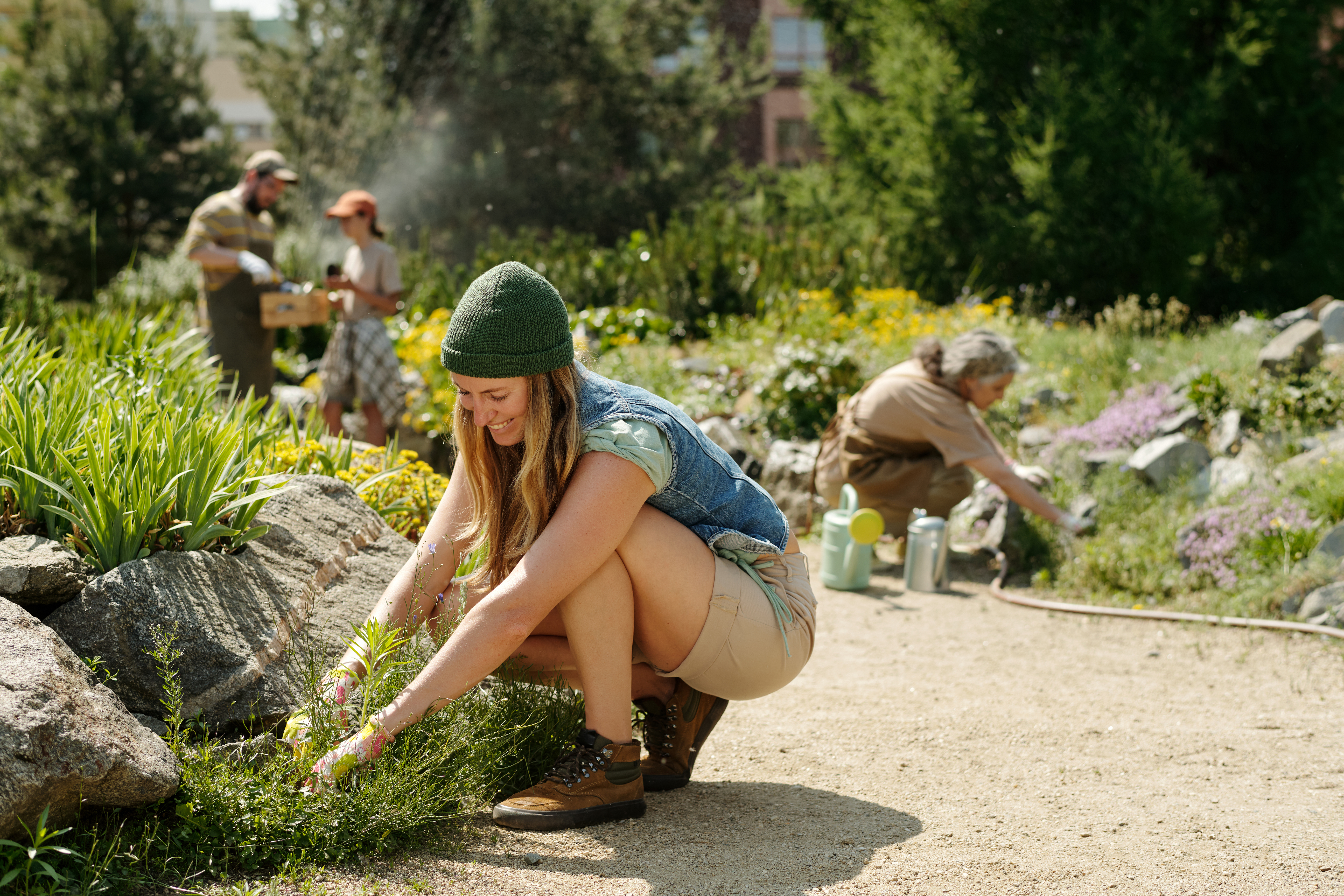
Choosing the right plants is another step towards a sustainable garden. Selecting species that naturally require less water can make a significant difference.
Drought-Resistant Varieties
Drought-resistant plants are your best friends in a dry garden. They thrive with minimal water, making them perfect for water conservation efforts.
-
Examples: Consider succulents, lavender, or sage.
-
Low maintenance: These plants often require less attention, saving you time and effort.
By incorporating these plants, you can maintain a vibrant garden that withstands dry spells. Drought-resistant plants also often have deep root systems, helping them tap into underground moisture. This way, you not only conserve water but also create a resilient landscape.
Native Plant Benefits
Native plants are adapted to your local climate, making them ideal for sustainable gardening. They require less water and are more resistant to local pests and diseases.
-
Adaptability: Native plants are suited to local soil and weather conditions.
-
Support local wildlife: They provide habitat and food for native insects and birds.
Planting native species is a win-win for both your garden and the environment. They help maintain ecological balance while reducing your garden’s water needs. For further reading, the UC Davis guide on water-wise gardening is an excellent resource.
Gardening Workshops and Community Engagement
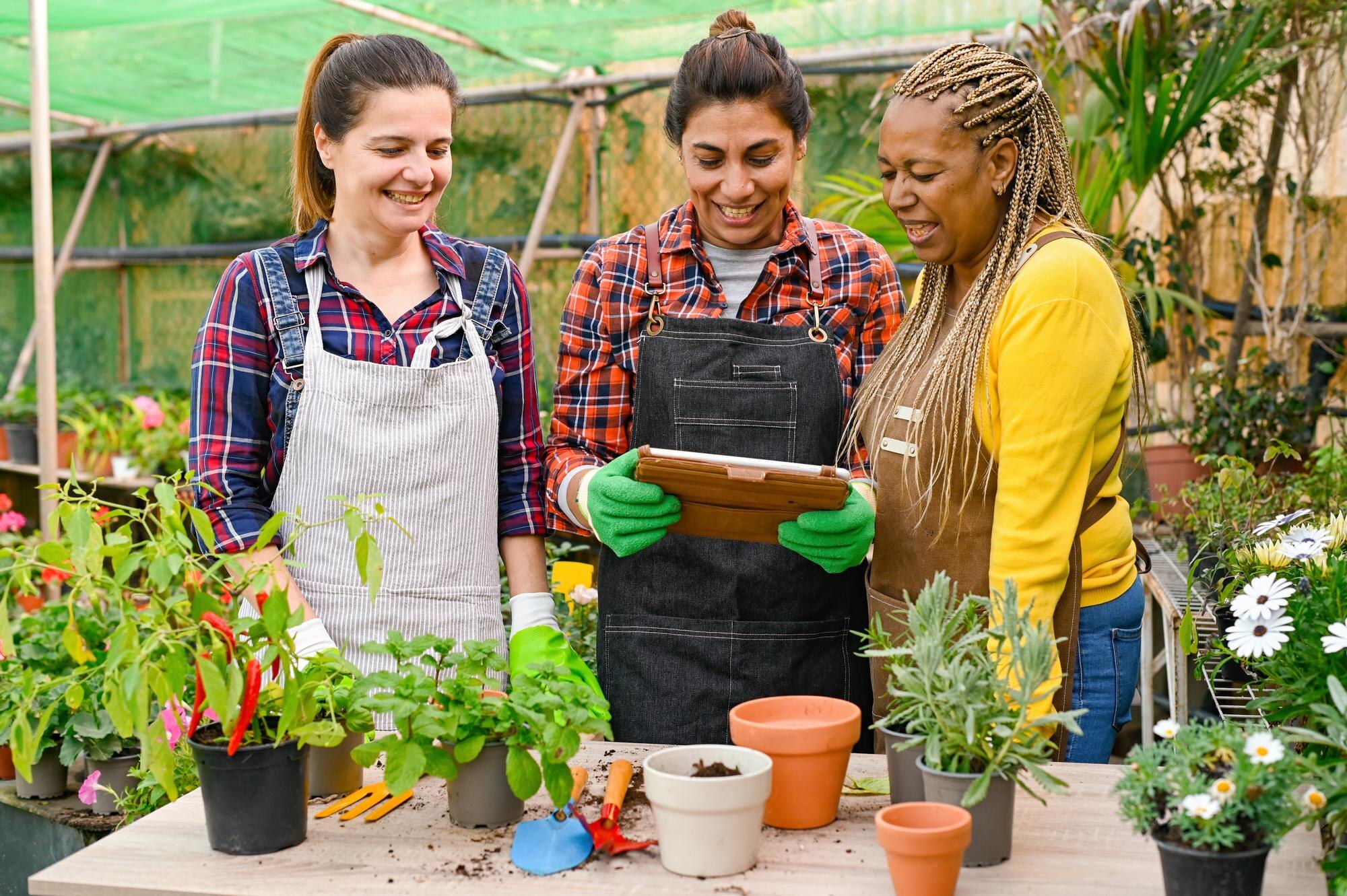
Engaging with your community can enhance your gardening skills and expand your resources. Let’s dive into ways you can get involved.
Upcoming Water-Wise Gardening Events
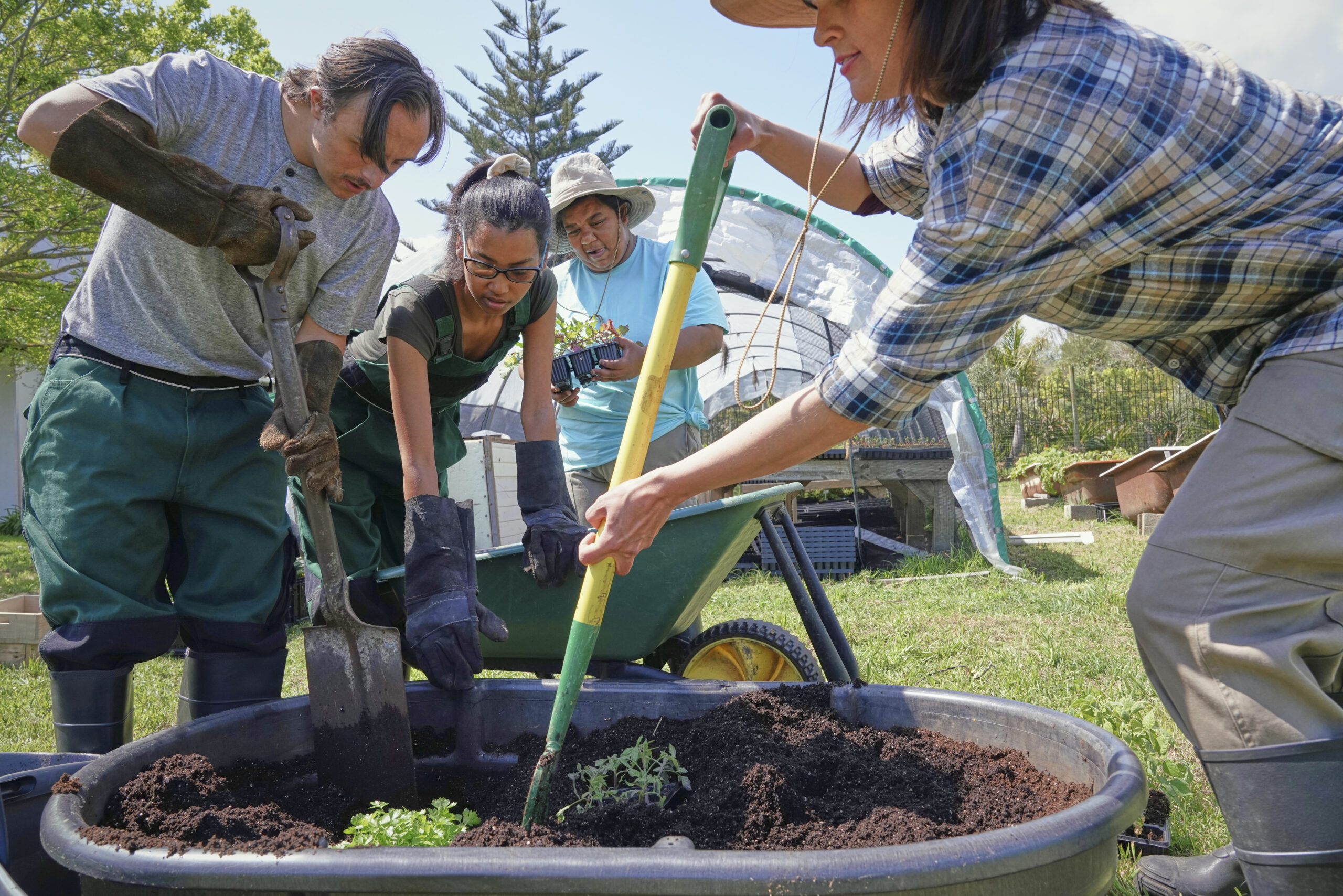
Joining workshops and events can provide hands-on experience and new techniques for your garden. Look for local events focusing on water conservation.
-
Workshops: Attend sessions that teach practical skills like drip irrigation setup.
-
Seminars: Learn from experts about choosing the best drought-resistant plants.
Participating in these events not only boosts your knowledge but also connects you with fellow gardening enthusiasts. If you’re interested, check local community boards or gardening centers for upcoming events.
Joining Local Gardening Groups
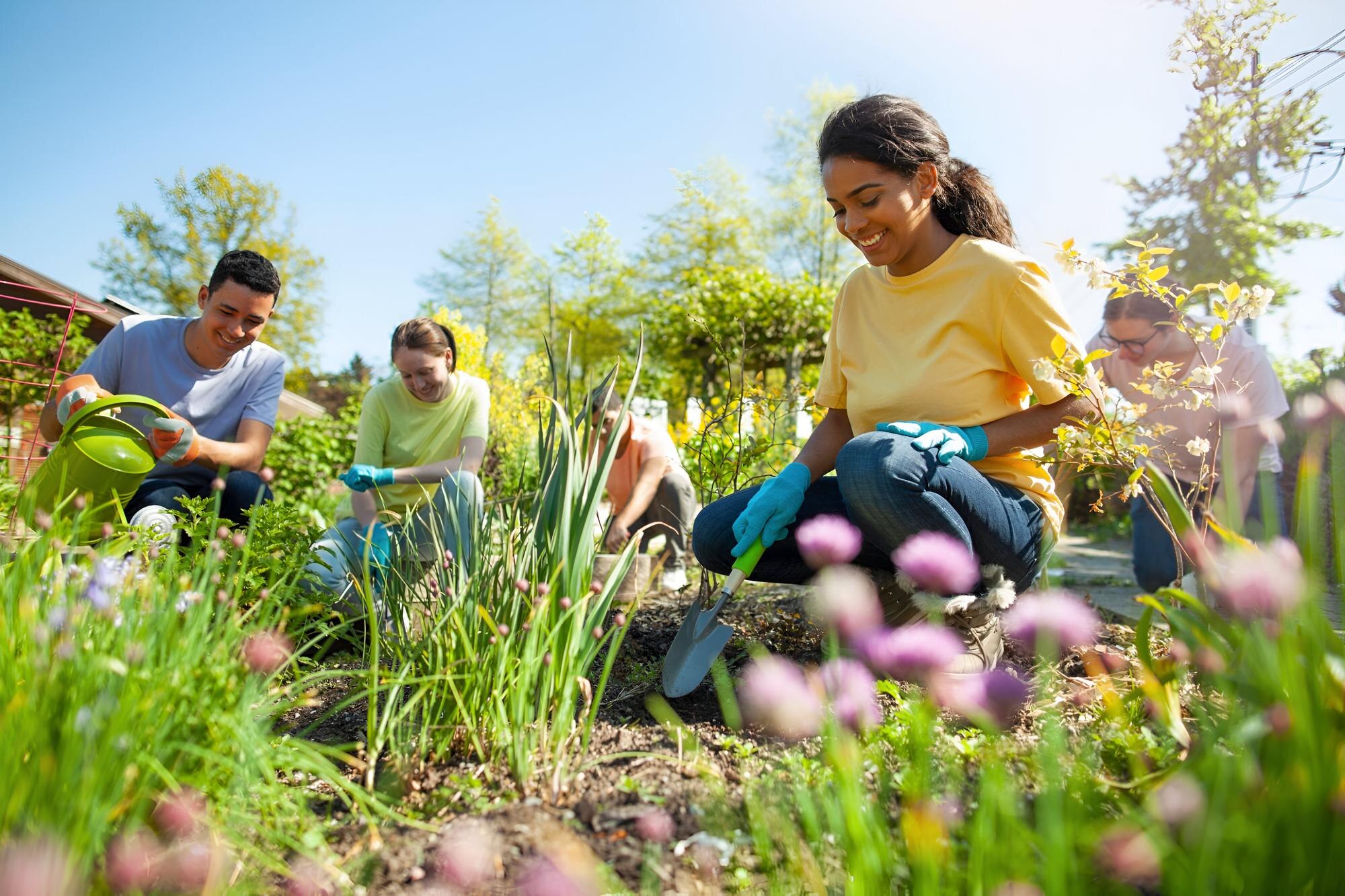
Becoming part of a gardening group offers support, resources, and a sense of community. These groups often focus on sustainable practices and share valuable insights.
-
Networking: Meet people who share your passion for sustainable gardening.
-
Resource sharing: Access tools, seeds, and expertise.
Gardening groups are a fantastic way to deepen your knowledge and make new friends. Plus, they offer a platform to share your own experiences and learn from others. Many gardeners find that these connections lead to lifelong friendships and collaborations.
The journey to a sustainable garden starts with small steps. By embracing efficient watering techniques, selecting the right plants, and engaging with your community, you’re well on your way to creating a garden that thrives on less water. Keep these tips in mind, and watch your garden flourish with vitality and sustainability.