
Unleashing the Power of Cooperative Gardening: Empower Your Neighborhood Today!
Forget everything you know about growing food alone. Cooperative gardening turns your neighborhood into a shared green space where everyone learns, grows, and supports each other. This simple idea sparks community empowerment while teaching valuable gardening skills that boost sustainable living. Ready to see how a neighborhood garden can transform your block? Let’s explore the steps to make it happen together. For more on the benefits of community gardening, check out this resource.
Benefits of Cooperative Gardening
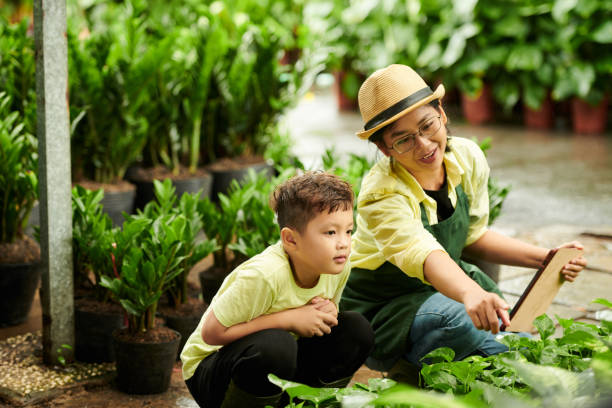
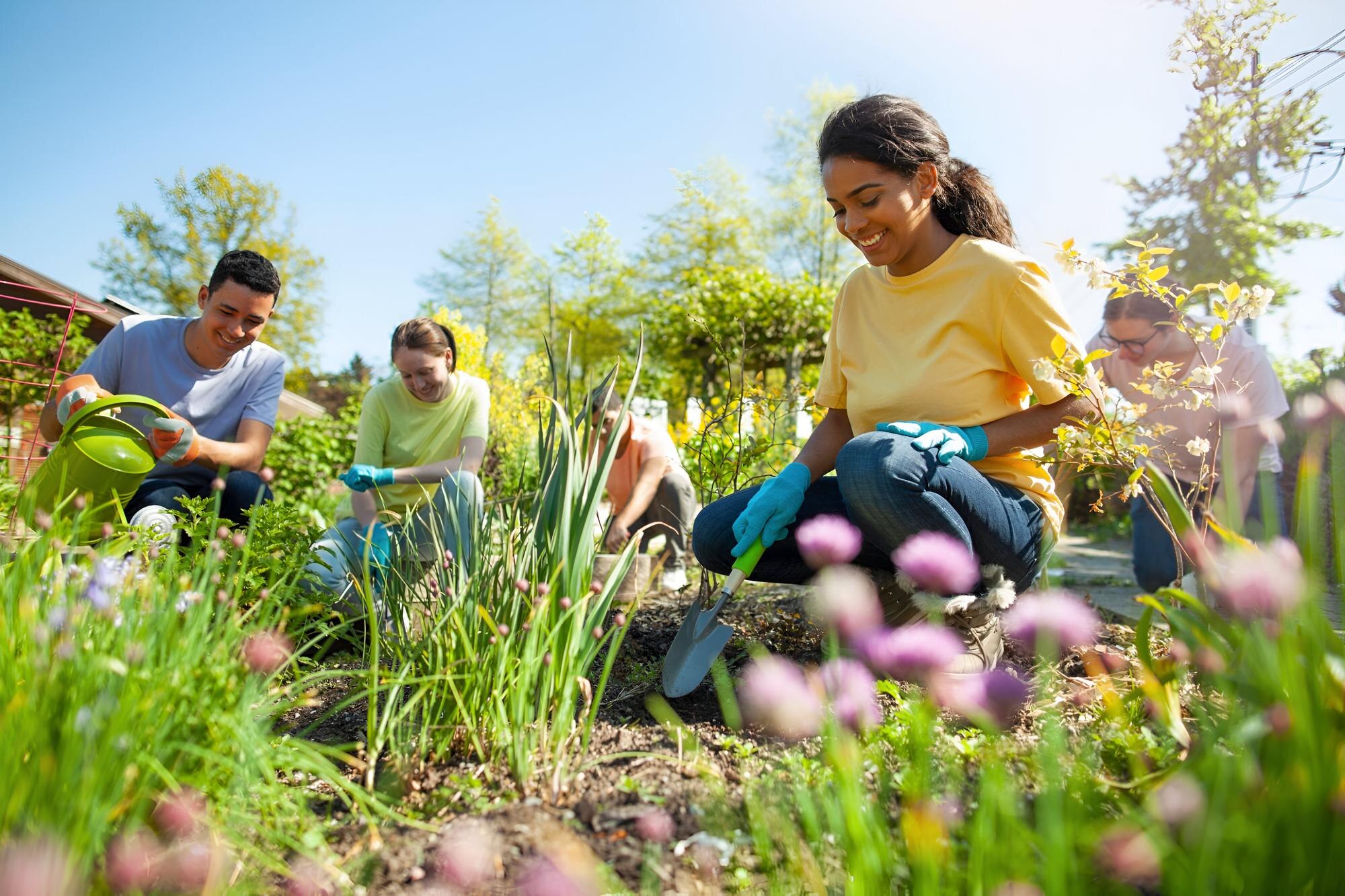
Imagine stepping outside and seeing neighbors working together in a vibrant garden. This isn’t just gardening; it’s building bonds that last. Cooperative gardening offers more than fresh produce—it fosters connections and strengthens communities.
Building Community Connections
When you garden with others, you create a shared space where people can gather and grow. These interactions help reduce loneliness and build friendships. Picture a Saturday morning where you trade gardening tips with a neighbor or share a laugh over a stubborn weed. These moments create a sense of belonging that’s hard to find elsewhere.
Community gardens become gathering places for events and celebrations. They provide a backdrop for potlucks, garden tours, and workshops. Each gathering plants seeds of camaraderie, making your neighborhood feel like home. For a deeper dive into how gardens can transform communities, explore this article.
Enhancing Food Security
A community garden offers more than social benefits; it also boosts food security. By growing your own produce, you rely less on store-bought goods. This can lead to significant savings on groceries and ensures access to healthy, fresh food. Imagine picking a tomato from your garden instead of buying one wrapped in plastic.
Some gardens donate surplus produce to local food banks, helping those in need. In doing so, they not only provide food but also inspire others to start their own gardening projects. With the world changing rapidly, having a sustainable food source is more crucial than ever. Learn more about this aspect by reading here.
Starting Your Neighborhood Garden

Ready to dig in? Starting a community garden might seem daunting, but with the right steps, it’s a rewarding journey. Let’s break it down into simple, actionable steps to get you started.
Practical Tips for Beginners
-
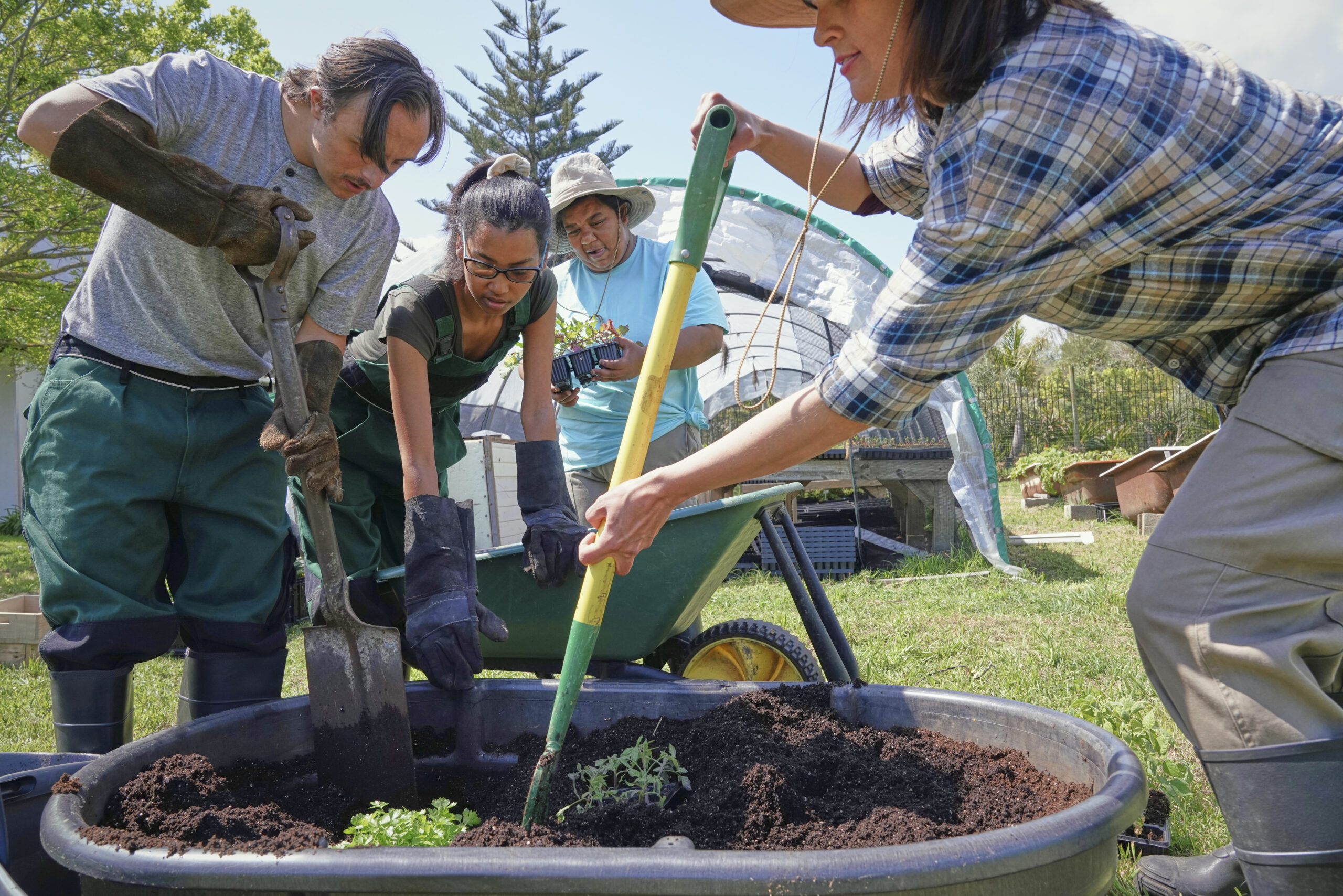
Gather a Group: Start by finding like-minded people. Family, friends, or fellow community members can become your gardening partners.
-
Plan Together: Discuss what you want to grow and how you’ll share responsibilities. Clear communication helps everyone stay on the same page.
-
Start Small: Begin with a small plot or even containers. Ease into it and expand as your confidence grows.
-
Learn as You Go: Don’t worry about knowing everything upfront. Gardening is a constant learning process. As you dig in, you’ll discover what works and what doesn’t.
Sharing these experiences not only makes gardening fun but ensures everyone gains valuable skills. Check out this guide for more insights.
Choosing the Right Location
Selecting the perfect spot is crucial for your garden’s success. Look for a sunny location with easy access to water. Public spaces can be great, but make sure you have permission to use them.
Consider soil quality and drainage. If the soil isn’t ideal, you can still thrive with raised beds or pots. Talk to local gardening experts or neighbors who have been gardening for a while. Their advice can be invaluable.
Remember, the right location can make or break your garden’s success. Take the time to scout out various options and choose one that suits your community’s needs.
Sustainable Living Through Gardening
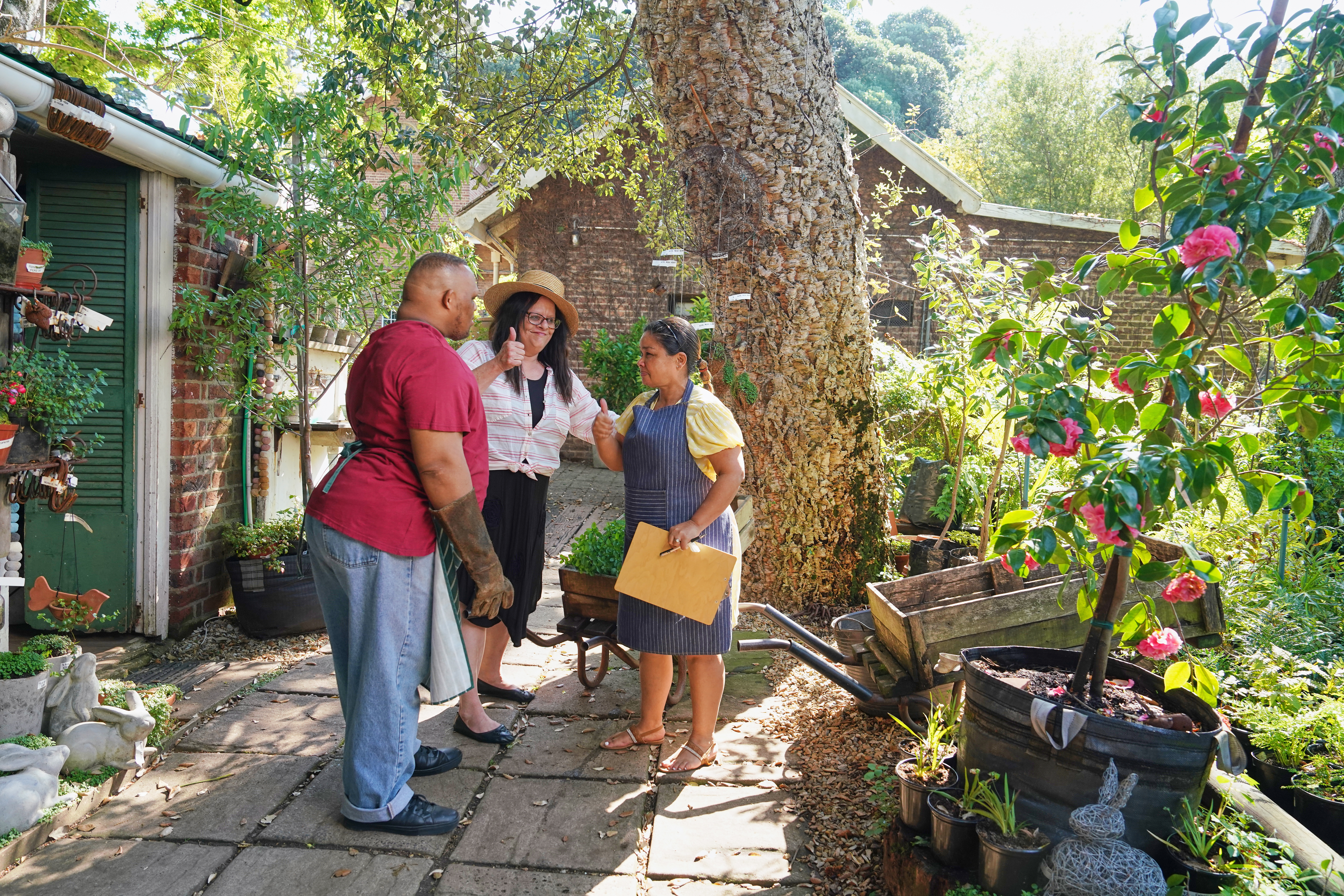
Gardening isn’t just about planting seeds; it’s about nurturing a sustainable lifestyle. As you grow your garden, you also cultivate habits that benefit the planet.
Environmental Impact of Gardens
A thriving garden supports the environment in many ways. Plants capture carbon dioxide and release oxygen, improving air quality. They also attract pollinators like bees and butterflies, vital for our ecosystem.
By composting garden waste, you’re reducing landfill use and enriching your soil. Imagine turning kitchen scraps into fertile ground—it’s a cycle that sustains itself. The environmental benefits extend beyond your garden, encouraging others to adopt eco-friendly practices.
Gardening Education for All 🌿
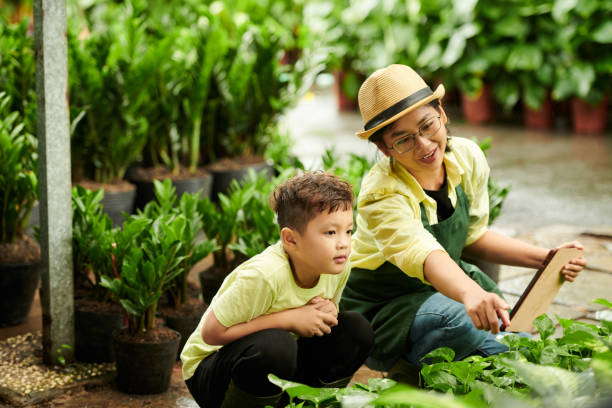
Education is the foundation of any successful garden. Workshops and online resources can turn novices into knowledgeable gardeners. Many organizations offer free classes focusing on sustainable practices and food security.
Sharing what you learn with others multiplies the impact. Host a workshop or write a blog about your experiences. Your story might inspire someone else to start their gardening journey.
Cooperative gardening offers endless opportunities to learn and grow. Whether you’re a seasoned gardener or just starting out, there’s always something new to uncover.
In conclusion, cooperative gardening transforms neighborhoods, strengthens community bonds, and promotes sustainable living. As you embark on this journey, remember: every seed you plant is a step towards a greener, more connected world.