
Unlocking the Secrets of Sustainable Gardening: Tips to Empower Your Green Journey
Most people think sustainable gardening means endless chores and costly setups. That’s far from the truth—you can start small, with simple steps that bring real changes to your garden and your community. Here, you’ll find practical gardening tips that make eco-friendly living feel doable and rewarding. Let’s explore ways to grow your green space while connecting with others who share your passion for sustainability. [https://www.youtube.com/watch?v=TRW4l69b0d0]
Starting Your Green Journey
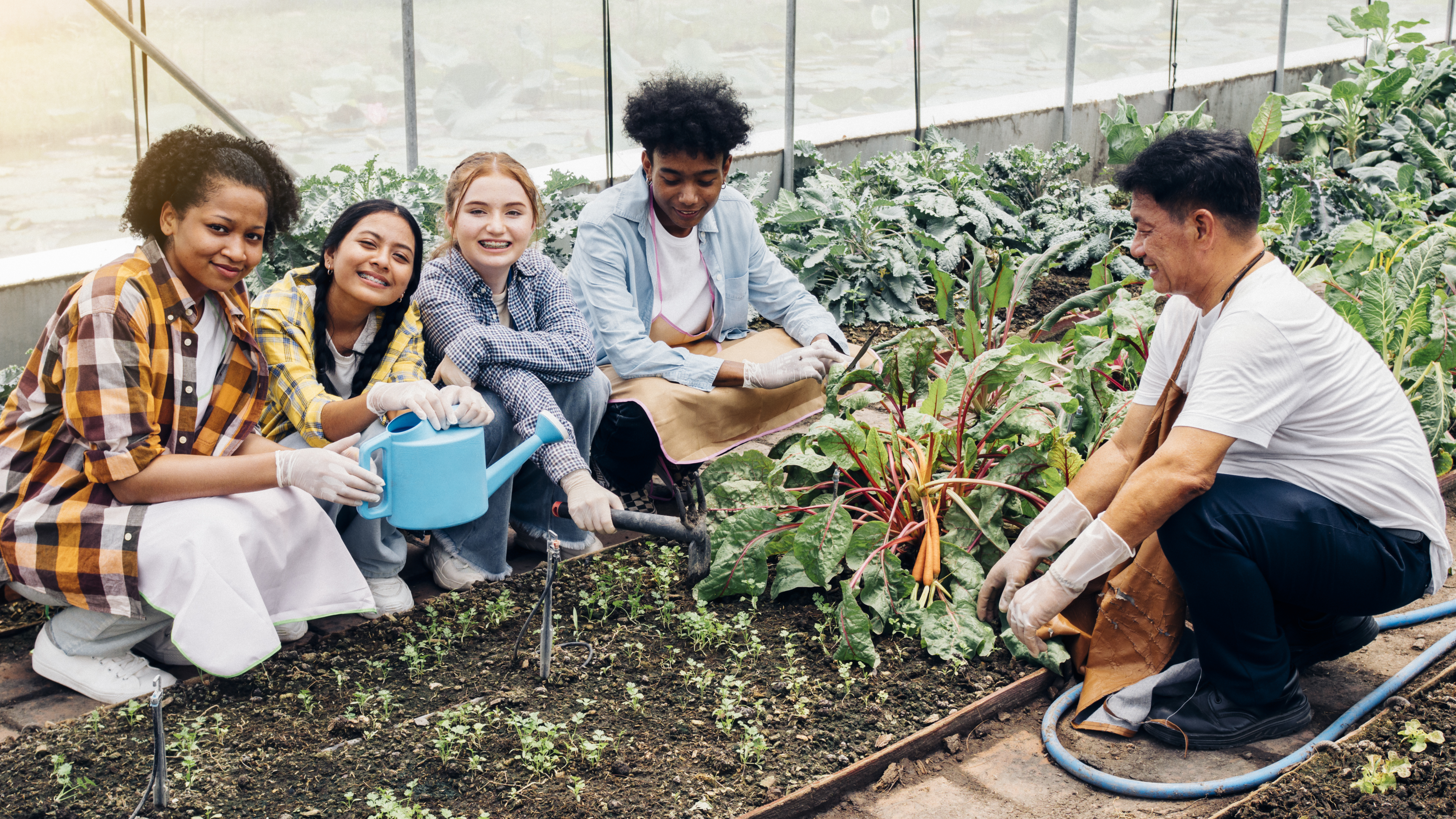
Embarking on your green journey can be a delight rather than a chore. It’s about making mindful choices that benefit both your space and the planet. Let’s dive into the fundamentals that lay the groundwork for sustainable gardening.
Basics of Sustainable Gardening
Begin with understanding your soil. Healthy soil is the backbone of any thriving garden. Start by testing your soil to know its pH and nutrient levels. This way, you can tailor your gardening approach to what your plants really need. Composting is another crucial step. By recycling kitchen scraps and yard waste, you enrich the soil naturally, reducing the need for chemical fertilizers.
Water wisely. Install a rain barrel to collect water that would otherwise go to waste. It’s a simple way to save on water bills and help the environment. When watering, aim at the base of your plants early in the morning or late afternoon to minimize evaporation.
Choose native plants. These are accustomed to your local climate and soil, which means less work for you and a better chance of success. They also support local wildlife, creating a thriving ecosystem right in your backyard.
Eco-Friendly Gardening Tips
Creating an eco-friendly garden is about making small, consistent choices. Use mulch to retain moisture and suppress weeds. This not only cuts down on water use but also reduces the need for herbicides. Plant in layers by incorporating ground covers, shrubs, and trees. This mimics natural ecosystems and maximizes space.
Consider creating a pollinator-friendly garden. Plant flowers that attract bees, butterflies, and other beneficial insects. This not only helps with pollination but also supports biodiversity. Use natural pest control methods like companion planting. For instance, marigolds can deter nematodes when planted alongside vegetables.
Plan your garden layout to include zones for different purposes. Have a spot for vegetables, another for wildflowers, and perhaps a corner for a small pond. Each serves a purpose and contributes to the garden’s overall health and sustainability.
Empowering Community Connections
Your garden can be more than just a personal retreat. It can become a hub for community connection and growth. Let’s explore how you can extend your sustainable gardening passion to those around you.
Building a Community Garden
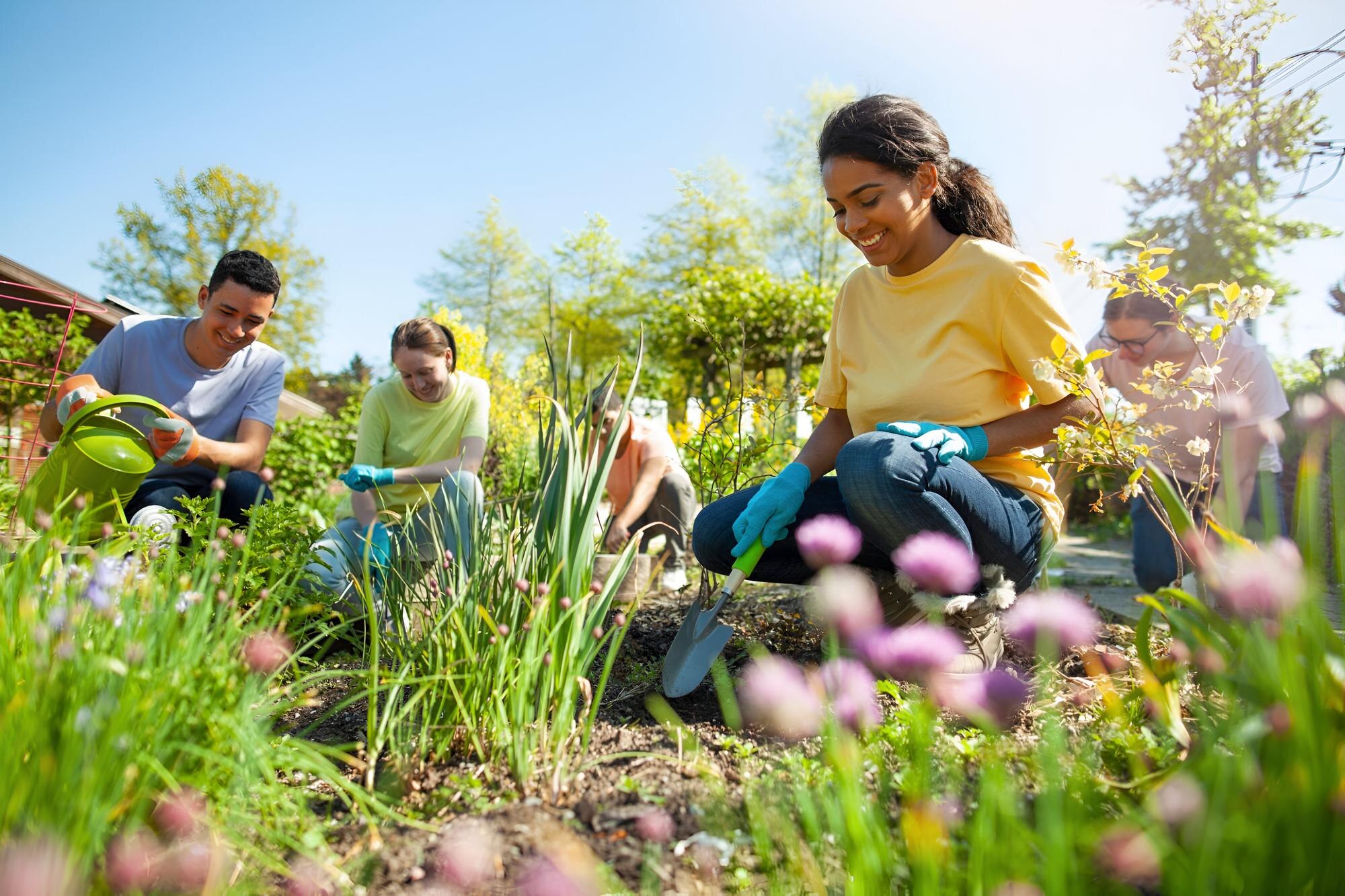
Starting a community garden involves collaboration and creativity. Find a suitable location, ideally a vacant lot or unused space in your neighborhood. Gather interested neighbors and discuss your goals. What do you want to grow? How will the space be shared? By involving everyone from the beginning, you ensure the garden reflects the community’s needs.
Secure funding through grants or local sponsors. Many organizations are willing to support projects that foster community spirit and sustainable living. Designate roles and responsibilities. Have a team for maintaining the garden, another for organizing events, and maybe one for outreach to get more locals involved.
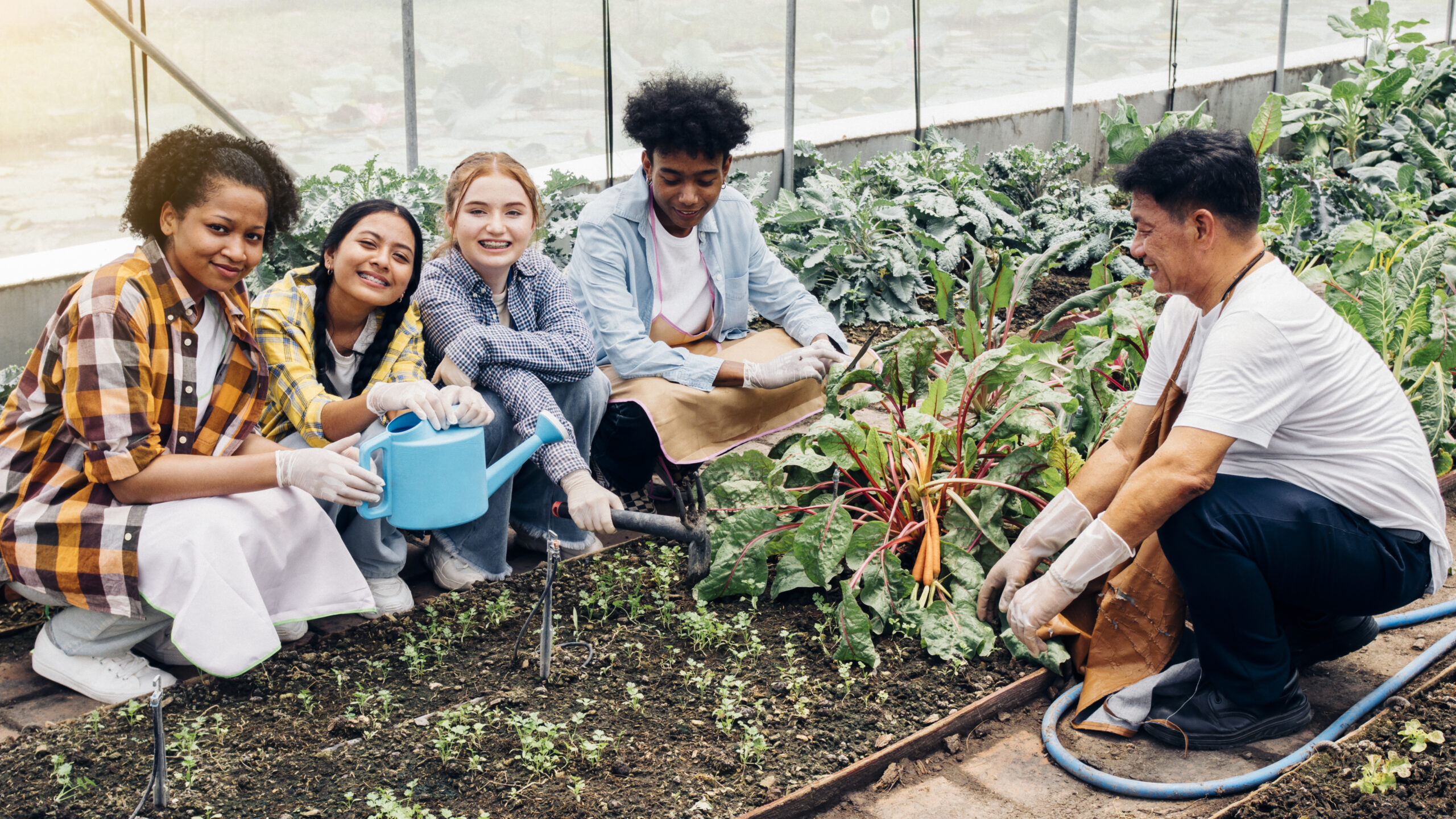
A community garden is more than a place to grow food. It’s a spot to share knowledge, celebrate achievements, and spend time with others. As the garden grows, so does the sense of community and belonging.
Gardening Education for All
Education is key to a thriving garden. Host workshops and invite experts to share their knowledge. Topics could range from composting basics to advanced permaculture techniques. This not only improves individual skills but also strengthens community ties.
Create a library of resources. Start with simple guides on planting and maintaining a garden. Expand to include books and videos covering various aspects of sustainability. You might even consider offering online resources for those who prefer digital content.
Encourage community members to share their experiences. Set up a bulletin board or online forum where people can post tips, successes, and even failures. Learning from each other can be just as valuable as formal education.
Hands-On Workshops and Resources
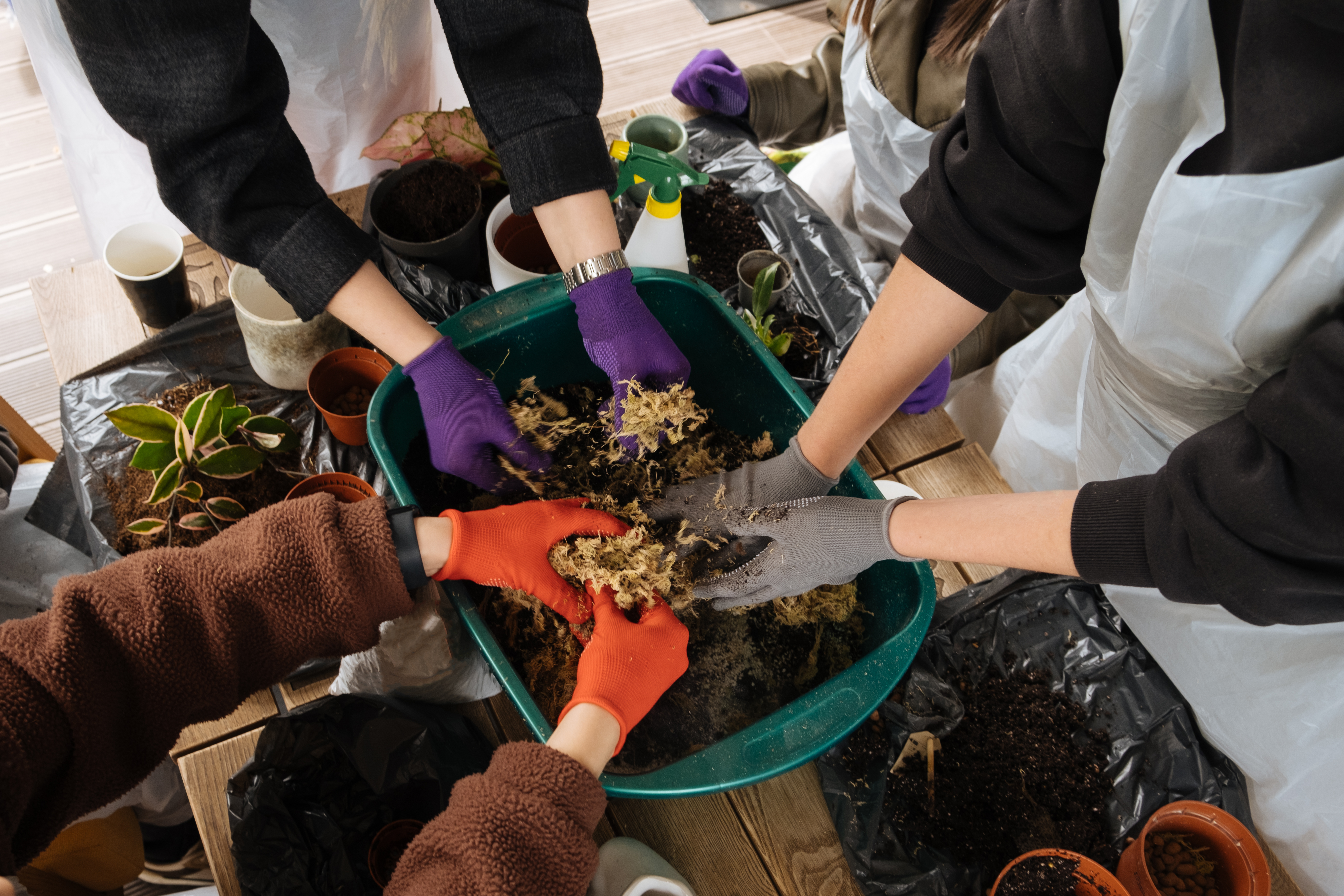
To truly grasp the art of gardening, hands-on experience is invaluable. Let’s look at how workshops and resources can elevate your gardening skills and deepen your connection to the earth.
Upcoming Gardening Workshops
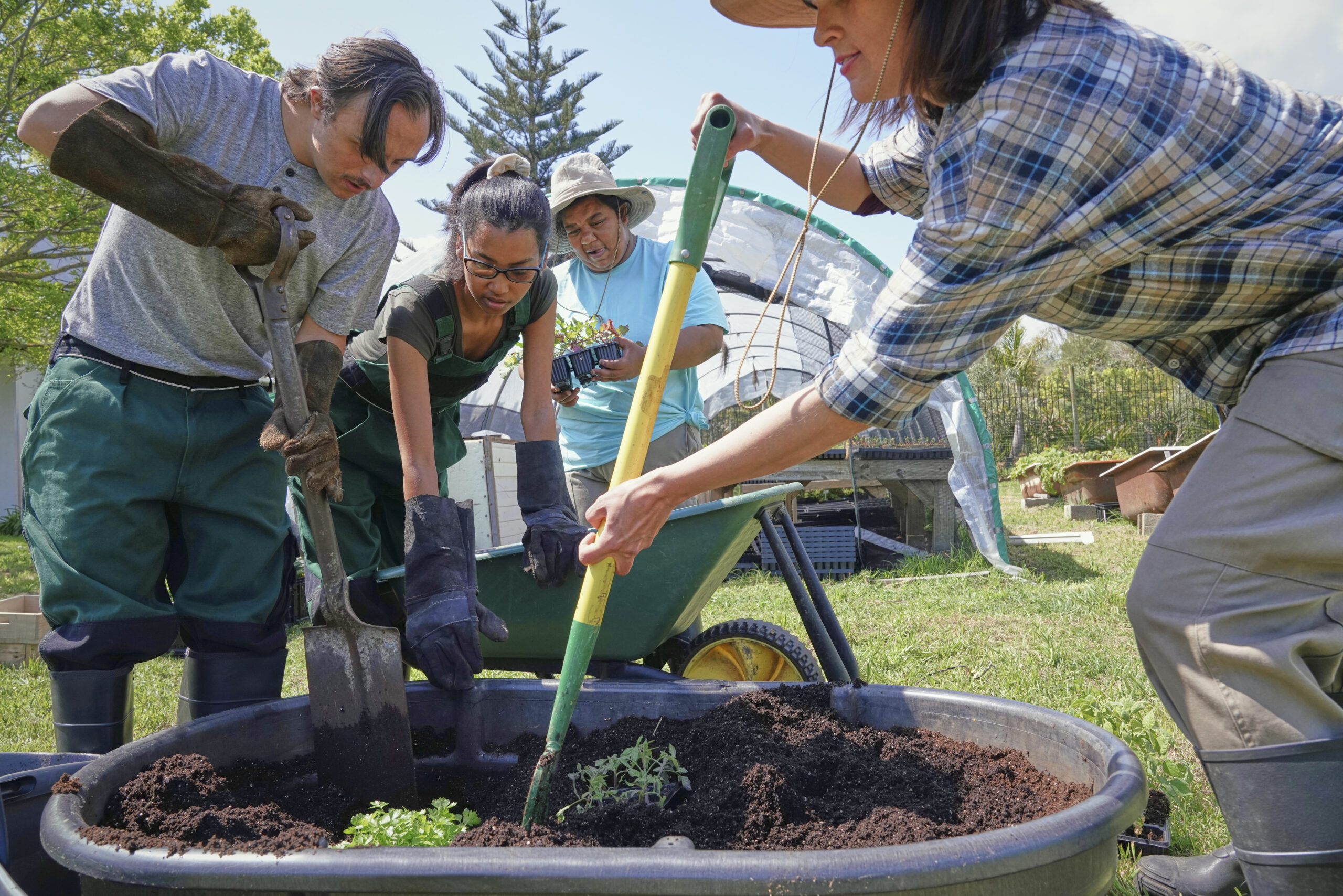
Workshops are a wonderful way to learn new skills. Look out for upcoming events in your area that offer practical learning opportunities. These might include topics like organic farming, permaculture design, or vertical gardening.
Participating in workshops allows you to learn directly from experts and meet others who share your interests. It’s a chance to ask questions, get hands-on experience, and even make new friends. Keep an eye on local community boards or online platforms for announcements.
By attending workshops, you’re not just gaining knowledge; you’re also supporting local initiatives focused on sustainability and education.
Gardening Tips for Success 🌱
Achieving success in gardening requires a mix of patience, knowledge, and practical skills. Start by setting realistic goals. What do you hope to achieve in your first season? Maybe it’s growing a few herbs or starting a small vegetable patch.
Experiment with different techniques. Not everything will work perfectly the first time, and that’s okay. Learn from each attempt and adjust your strategies. Keep a garden journal to track what you plant, what thrives, and what doesn’t. Over time, you’ll build a wealth of knowledge specific to your environment.
Celebrate small victories. Whether it’s your first tomato or a flourishing flower bed, each success is a step towards a more sustainable lifestyle. Remember, the joy of gardening comes from the journey, not just the harvest.