
Your Step-by-Step Guide to Building a Sustainable Garden
Building your own sustainable garden may feel overwhelming at first, especially when you want to get soil health, plant choices, and eco-friendly practices just right. You’re not alone—many people want a garden that supports sustainable living but don’t know where to start. This guide breaks down garden building into clear, simple steps that anyone can follow, helping you grow a thriving space that benefits both you and your community. For more insights, check out this sustainable gardening guide.
Planning Your Sustainable Garden
Creating a sustainable garden begins with thoughtful planning. Each choice you make now lays the groundwork for a garden that thrives. Let’s explore the essential steps to set your garden up for success.
Choosing the Perfect Site
The right location is crucial for your garden’s growth. Look for an area that receives at least six hours of sunlight daily. Avoid spots with poor drainage or too much shade. Test the area by observing it throughout the day to see how the sun moves. A well-chosen site can reduce the need for extra resources, saving both time and effort in the long run.
Consider starting small by marking out a manageable space. This allows you to focus on quality over quantity. As you grow more confident, expand gradually. Remember, most people think bigger is better, but starting small can lead to greater success.
Understanding Soil Health
Healthy soil makes a happy garden. Begin by testing your soil to understand its composition and pH levels. Kits are available online or at local gardening stores. Knowing what type of soil you have helps in selecting the right plants and amendments.
Improving soil health often involves adding organic matter like compost. This enhances the soil’s structure and fertility, making it more conducive to plant growth. You might be surprised to learn that healthy soil can even reduce pests naturally.
Selecting Suitable Plants
Choosing the right plants is key to a sustainable garden. Opt for native plants as they are adapted to your local environment and require less maintenance. They’re not just beautiful; they support local wildlife too.
Research your local climate to determine the best planting times. This ensures your plants have the best chance to thrive. Mixing perennials and annuals can add diversity, ensuring something is always in bloom.
Eco-Friendly Gardening Practices
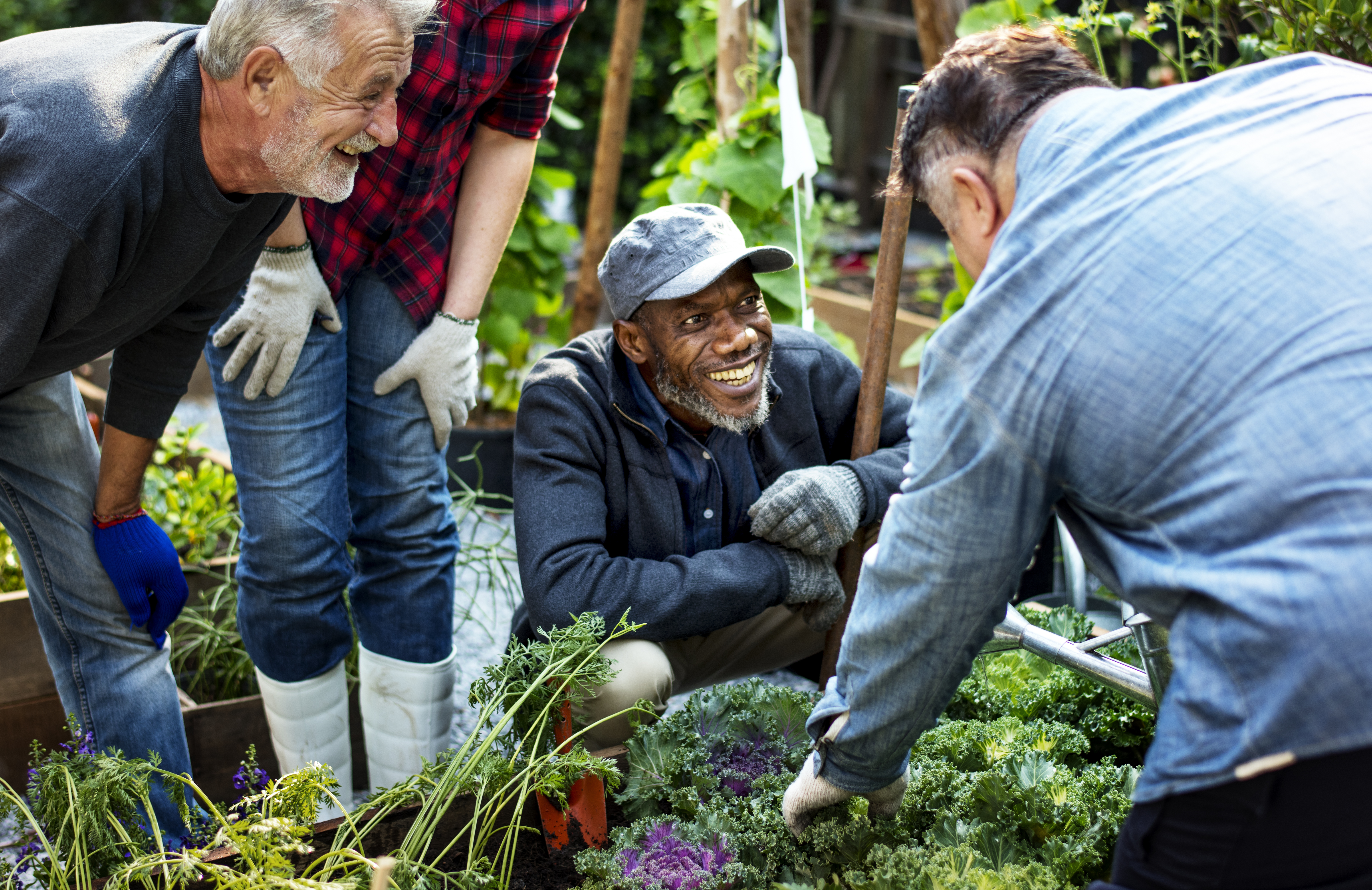
Once you’ve laid the groundwork, adopting eco-friendly practices enhances your garden’s sustainability. These methods save resources and promote a healthier ecosystem.
Water Conservation Tips
Water is precious, especially in a garden. To conserve it, consider installing rain barrels to collect runoff from your roof. Mulching is another excellent way to retain soil moisture. It reduces evaporation and keeps weeds at bay.
Drip irrigation systems can target water directly to the roots, minimizing waste. Most people assume sprinklers are efficient, but drip systems can save up to 50% more water. Curious to learn more? Explore water-saving techniques in this greenhouse guide.
Composting for Healthy Soil
Composting is nature’s recycling system. It turns kitchen scraps and yard waste into nutrient-rich compost. Start a compost pile in your backyard or use a bin for smaller spaces.
Regularly turning your compost speeds up the process and prevents odors. The longer you wait, the richer your compost becomes. Using compost improves soil fertility and reduces the need for chemical fertilizers.
Natural Pest Management
Healthy gardens attract a variety of life, including pests. Instead of reaching for pesticides, try natural solutions. Introduce beneficial insects like ladybugs and lacewings that prey on harmful pests.
Planting herbs such as basil and mint can repel unwanted visitors. Most gardeners believe chemicals are necessary, but natural pest management can be just as effective, if not more so.
Community Involvement and Benefits
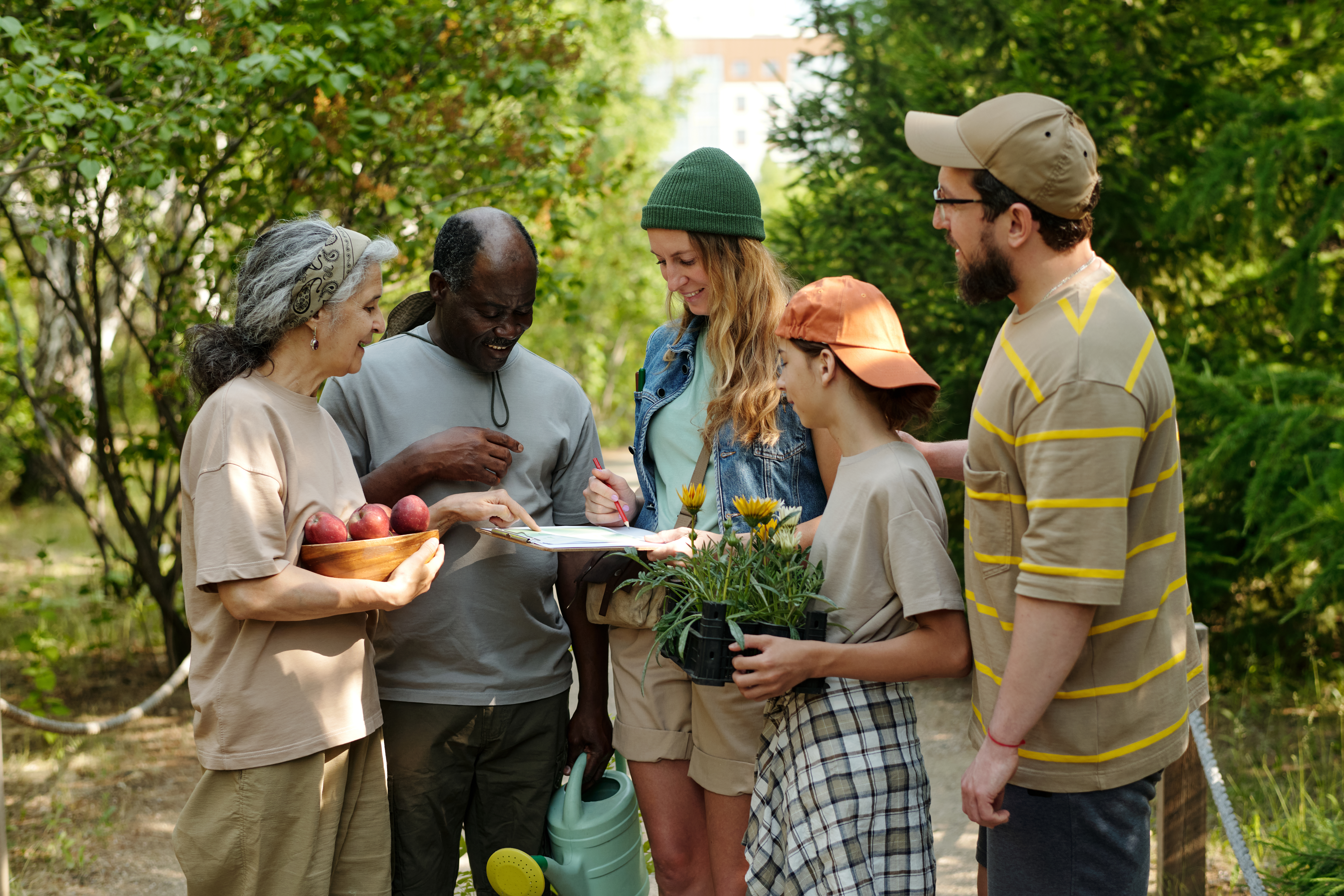
A sustainable garden is not just about plants; it’s about people too. Engaging with your community enhances the gardening experience and broadens its impact.
Encouraging Community Gardening
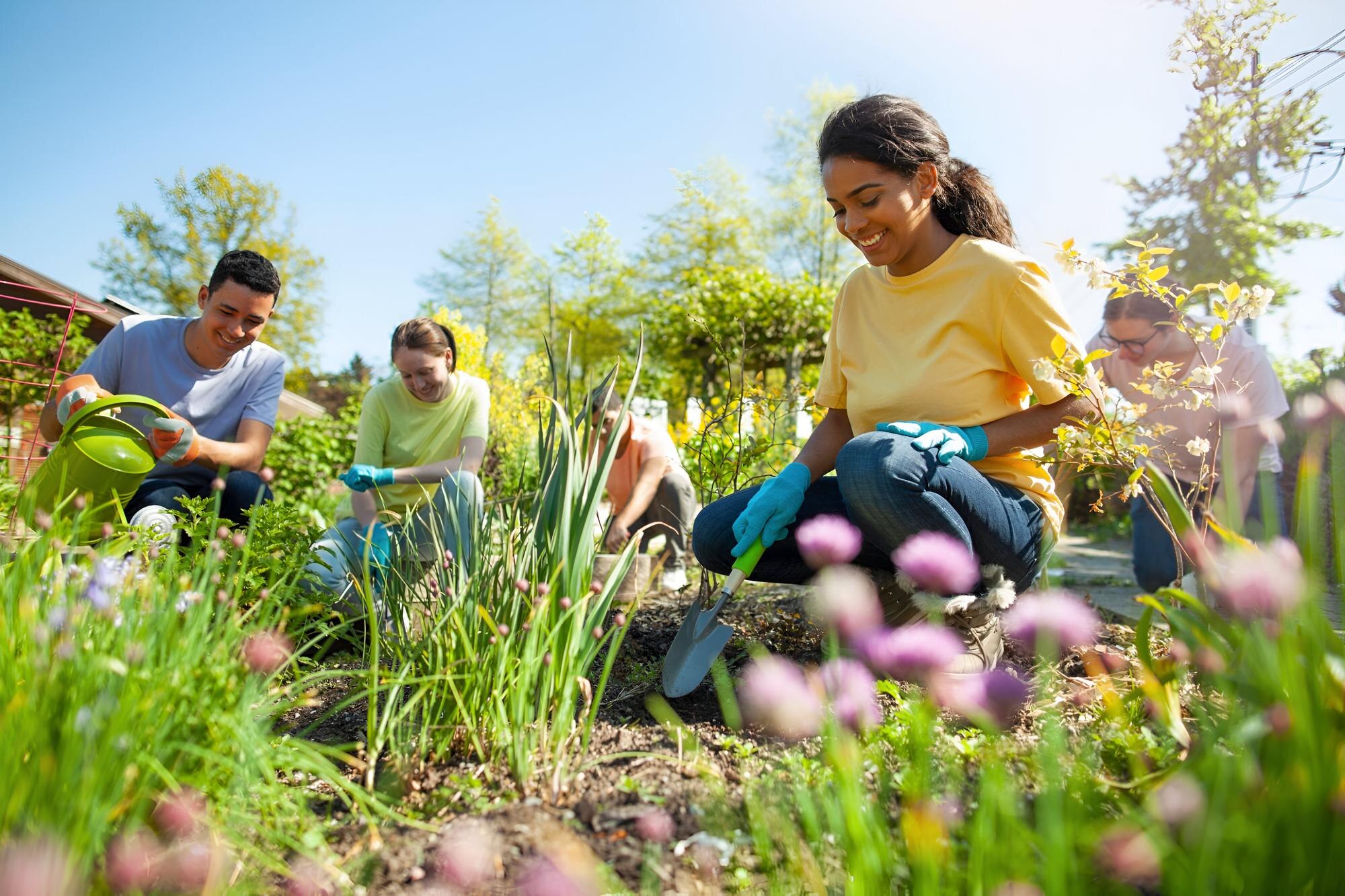
Community gardens are wonderful ways to bring people together. They provide shared spaces for learning and collaboration. If your area lacks one, consider starting a garden in a local park or vacant lot. This fosters a sense of belonging and shares the workload.
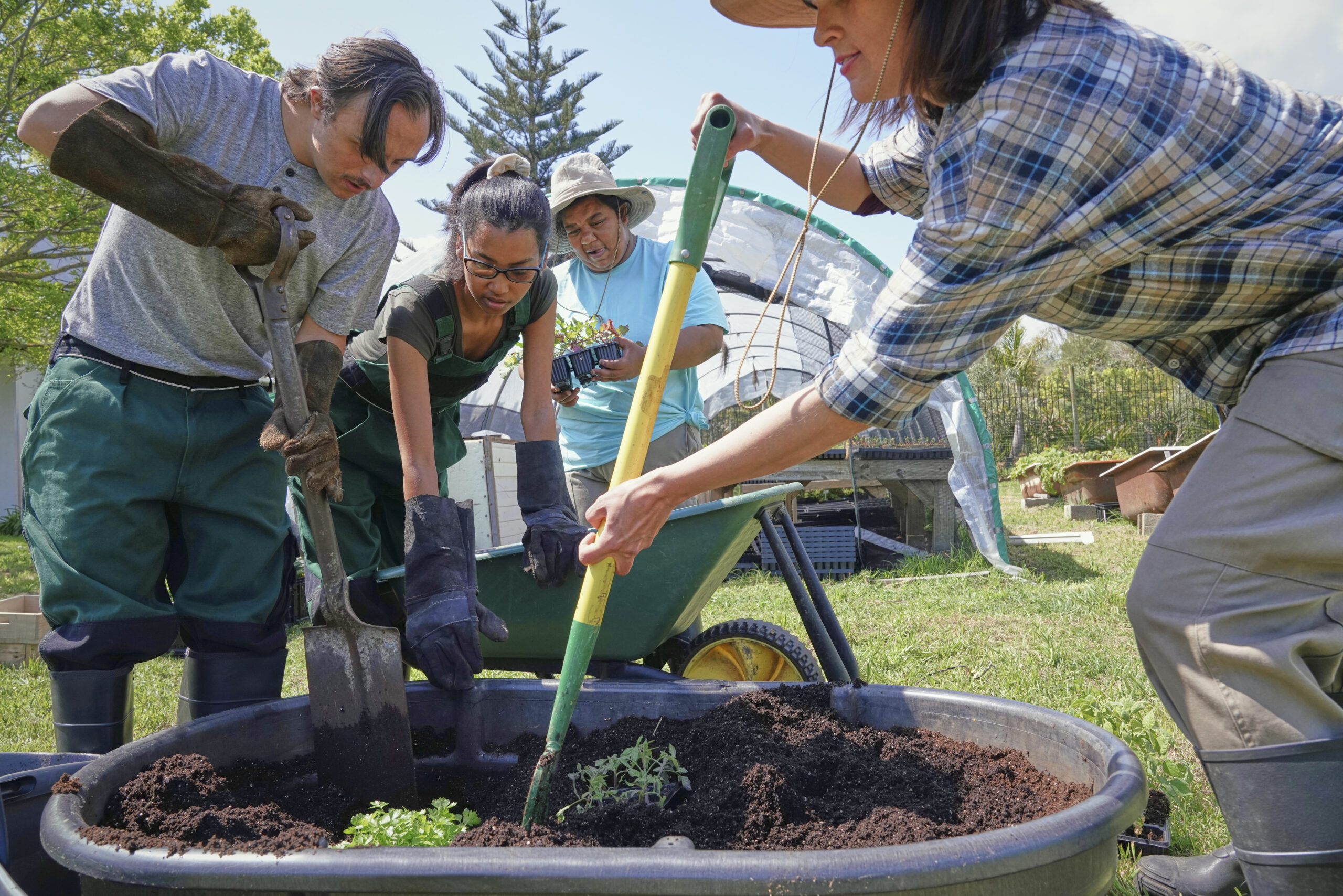
Volunteers of all ages can bring diverse skills and perspectives. They can help maintain the garden while learning valuable skills. Check out how community gardens enhance neighborhoods in this beginner’s guide.
The Impact of Sustainable Living
Sustainable gardening goes beyond the garden itself. It promotes a lifestyle that values conservation and mindfulness. By growing your own food, you reduce reliance on store-bought produce, which often travels long distances to reach you.
Your choices can inspire others to adopt similar practices, creating a ripple effect. Most people don’t realize the power of small changes, but they can lead to a significant environmental impact.
Gardening Education Opportunities 🌱
Education is at the heart of sustainability. Share your gardening knowledge by hosting workshops or starting a blog. Schools and community centers often welcome educational collaborations.
Learning is a lifelong process, and gardening provides countless lessons. By teaching others, you reinforce your knowledge and contribute to a more informed community. Ready to get involved? Explore sustainable practices further with this permaculture guide.
In summary, building a sustainable garden is a rewarding journey that benefits both you and your community. By planning carefully and adopting eco-friendly practices, you contribute to a healthier planet. Happy gardening!
🌿 Give today and help something beautiful take root.